
Himalayan Salt Vs Iodised Salt: Which One Is Better For Your Health?

Salt is one of the most commonly used ingredients in every kitchen, yet choosing the right type can be confusing. Iodised salt vs Himalayan salt is a debate that often centres around which is healthier. While Himalayan pink salt is widely promoted as a natural alternative, iodised salt remains the recommended option for many health experts because of its iodine content.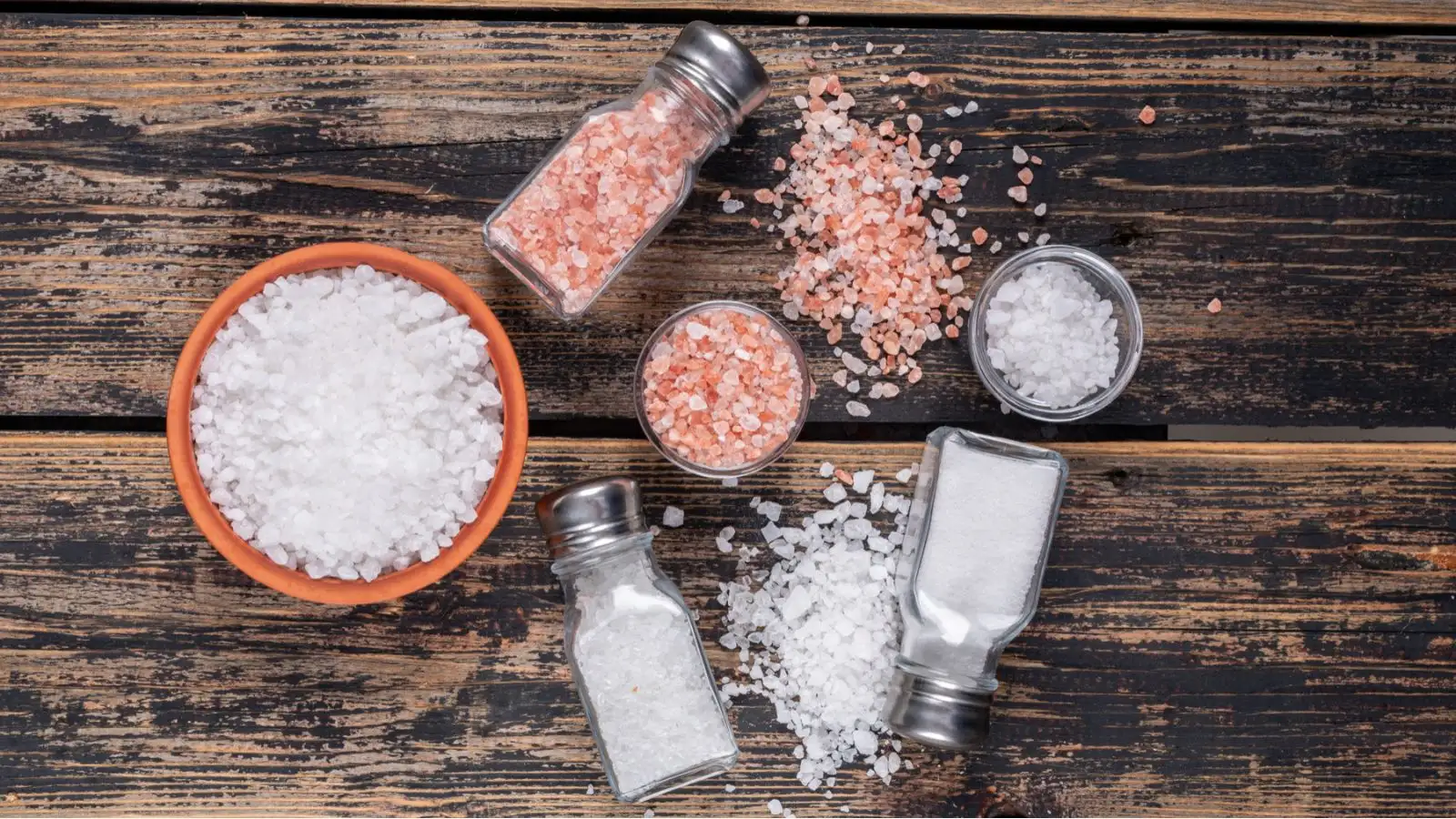
Interestingly, both salts contain almost the same amount of sodium. The real nutritional difference lies in iodine, a mineral essential for healthy thyroid function and overall wellbeing.
The slight variation exists because Himalayan salt crystals are larger and less tightly packed when measured by volume. However, by weight, both salts consist of around 98% sodium chloride, making their sodium content almost identical.
Unlike iodised salt, Himalayan salt iodine levels are extremely low and cannot meet the body's daily requirements.
Himalayan pink salt contains less than 0.1 mg (100 mcg) of iodine per kilogram of salt. Meeting daily iodine needs using pink salt alone would require consuming an unsafe amount of salt, making it an impractical source of iodine. Pregnant and breastfeeding women require even higher iodine intake, making iodised salt particularly important unless advised otherwise by a healthcare professional.
Also Read: Rock Salt Vs Table Salt: Understanding The Real Differences In Processing, Nutrition And Everyday Health Impact
Regardless of which salt you choose, moderation remains essential. Excess sodium intake may increase the risk of high blood pressure and cardiovascular disease. The healthiest approach is not to consume more salt, but to choose the right type while staying within recommended daily limits.
Interestingly, both salts contain almost the same amount of sodium. The real nutritional difference lies in iodine, a mineral essential for healthy thyroid function and overall wellbeing.
What Is Iodised Salt?
Iodised salt is regular table salt that has been fortified with iodine. It was introduced in the 1920s to help prevent iodine deficiency disorders such as goitre. Although it is processed and may contain anti-caking agents, its primary advantage is that it provides a reliable source of dietary iodine.What Is Himalayan Pink Salt?
Himalayan pink salt is a natural rock salt mined from the Khewra Salt Mine in Pakistan. Its distinctive pink colour comes from small amounts of iron oxide and other trace minerals. While it contains naturally occurring minerals, they are present in extremely small quantities and contribute very little to daily nutritional requirements.Sodium Content : Is There Really A Difference?
Many people assume Himalayan salt contains much less sodium than table salt, but this is not entirely true.You may also like
- Bengaluru–Mangaluru Vande Bharat moves a step closer: Trial run on Western Ghats section from August 11
- Shivangi Joshi Breaks Silence After Finishing As Lock Upp Runner Up
- Reverse, Don't Rehearse
- How Savitri Won Back Her Husband From Death
- PPF Calculation: Secure your child's future by saving just ₹1,900 a month; this magic formula will create a corpus worth crores...
| Salt Type | Sodium Per Teaspoon |
| Table/Iodised Salt (Fine) | 2,300 mg |
| Himalayan Pink Salt (Coarse) | 1,700 to 2,280 mg |
Iodine Content: The Biggest Difference
The most significant distinction between the two lies in iodine.| Salt Type | Iodine Per Teaspoon | Percentage Of Adult RDA (150 mcg) |
| Iodised Salt | ~240 to 270 mcg | ~160% |
| Himalayan Pink Salt | <2 mcg | Negligible |
Why Iodine Matters
Iodine is essential for producing thyroid hormones that regulate metabolism, growth, and brain development. The World Health Organization recommends that adults consume less than five grams of salt per day while ensuring adequate iodine intake.Himalayan pink salt contains less than 0.1 mg (100 mcg) of iodine per kilogram of salt. Meeting daily iodine needs using pink salt alone would require consuming an unsafe amount of salt, making it an impractical source of iodine. Pregnant and breastfeeding women require even higher iodine intake, making iodised salt particularly important unless advised otherwise by a healthcare professional.
Also Read: Rock Salt Vs Table Salt: Understanding The Real Differences In Processing, Nutrition And Everyday Health Impact
Benefits Of Iodised Salt
According to the WHO, iodised salt benefits include:- Helps prevent iodine deficiency.
- Supports healthy thyroid function.
- Promotes brain development during pregnancy and early childhood.
- Reduces the risk of goitre.
- Provides an affordable and convenient source of iodine.
Which Salt Is Healthier?
For most people, iodised salt remains the healthier everyday choice because it supplies iodine, a nutrient that many diets may not provide in sufficient amounts. Himalayan pink salt can certainly be enjoyed for its flavour, texture, and appearance, but it should not replace iodised salt unless your diet consistently includes adequate iodine from foods such as dairy products, seafood, and eggs.Regardless of which salt you choose, moderation remains essential. Excess sodium intake may increase the risk of high blood pressure and cardiovascular disease. The healthiest approach is not to consume more salt, but to choose the right type while staying within recommended daily limits.






Loving Newspoint? Download the app now
