
Which Indian Classical Dance Form Combines Two Traditions?

India’s classical dance forms are deeply connected to history, spirituality, storytelling, and artistic expression. Each dance style reflects centuries of cultural evolution and regional traditions. Among the eight recognised Indian classical dance forms, Kathak is unique because it emerged from the blending of two entirely different artistic traditions.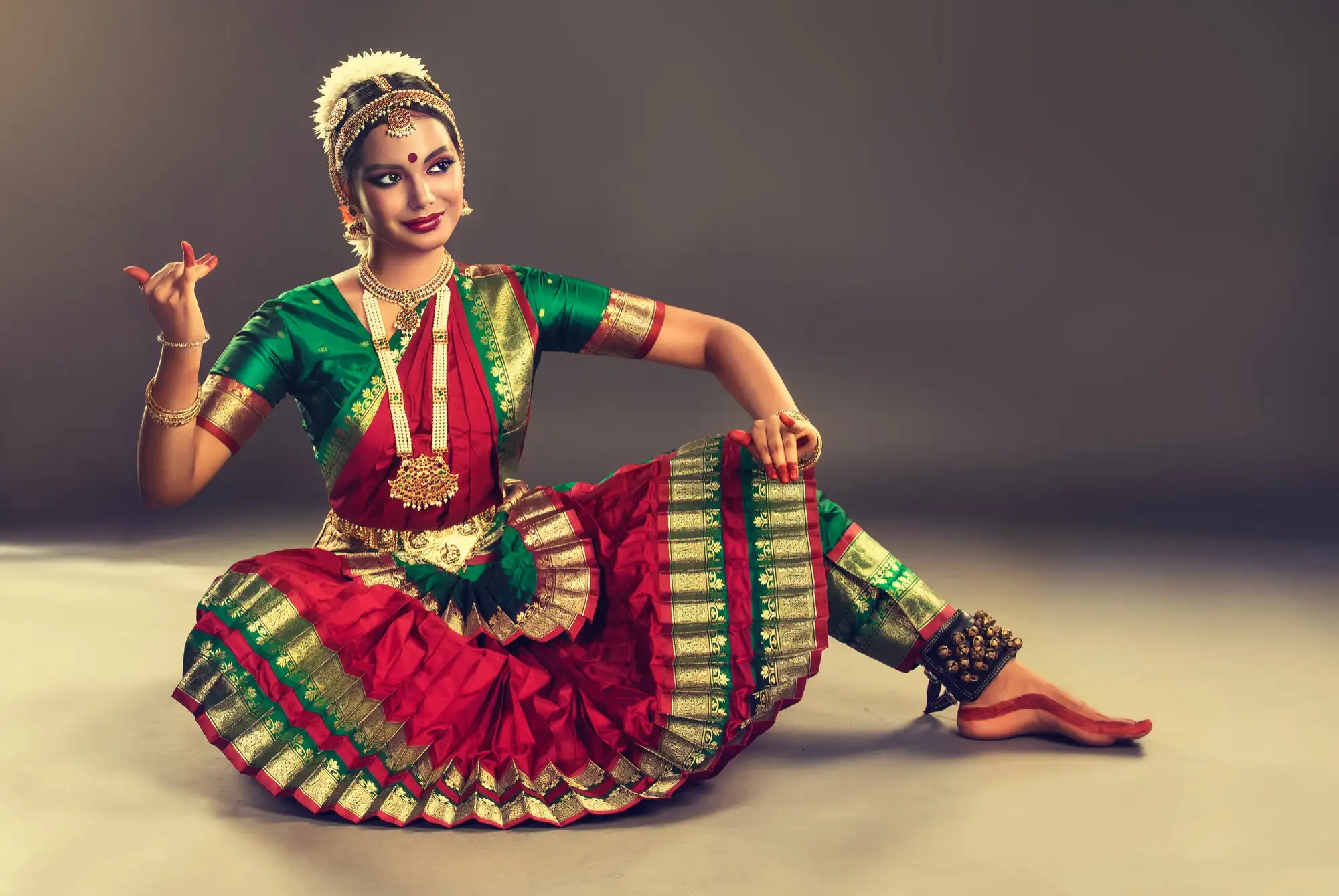
Kathak combines the devotional storytelling traditions of Hindu temples with the elegant performance aesthetics of Mughal royal courts. This remarkable fusion created a graceful dance form known for its expressive storytelling, rhythmic footwork, and mesmerising spins.
Over time, this storytelling tradition evolved into a sophisticated classical dance form. Unlike many other Indian dance styles that remained rooted in temples, Kathak travelled across North India and absorbed cultural influences from different eras and regions.
Also Read: Which Indian Classical Dance Was Performed Only by Women? Know Its Origins and Grace
The dance focused heavily on emotional expression, graceful body movements, and spiritual storytelling. Temple courtyards became important spaces where Kathakars entertained and educated audiences through dramatic performances.
This phase gave Kathak its expressive foundation and spiritual depth.
Under Mughal patronage, Kathak absorbed Persian artistic influences and became more refined and technically complex. The focus expanded beyond devotion to include entertainment, elegance, and performance precision.
Rapid spins known as Chakkars, intricate footwork called Tatkaar, and stylised gestures became defining features of the dance form. The costumes, music, and presentation style also evolved under royal influence.
This blending of sacred Hindu storytelling and sophisticated Mughal court culture created the Kathak style recognised today.
Kathak combines the devotional storytelling traditions of Hindu temples with the elegant performance aesthetics of Mughal royal courts. This remarkable fusion created a graceful dance form known for its expressive storytelling, rhythmic footwork, and mesmerising spins.
Origin And Meaning Of Kathak
The word Kathak comes from the Sanskrit terms Katha, meaning story, and Kathakar, meaning storyteller. In ancient India, travelling storytellers known as Kathakars performed religious tales from epics and mythology through dance, facial expressions, and hand gestures.Over time, this storytelling tradition evolved into a sophisticated classical dance form. Unlike many other Indian dance styles that remained rooted in temples, Kathak travelled across North India and absorbed cultural influences from different eras and regions.
Also Read: Which Indian Classical Dance Was Performed Only by Women? Know Its Origins and Grace
The Temple Tradition Of Kathak
Kathak originally developed as a devotional performance art during the Bhakti Movement between the 15th and 16th centuries. Performers narrated stories related to Lord Krishna, Radha, and other mythological themes.The dance focused heavily on emotional expression, graceful body movements, and spiritual storytelling. Temple courtyards became important spaces where Kathakars entertained and educated audiences through dramatic performances.
This phase gave Kathak its expressive foundation and spiritual depth.
Mughal Influence On Kathak
With the arrival of the Mughal Empire, Kathak gradually moved from temples to royal courts. This transition transformed the dance significantly.Under Mughal patronage, Kathak absorbed Persian artistic influences and became more refined and technically complex. The focus expanded beyond devotion to include entertainment, elegance, and performance precision.
Rapid spins known as Chakkars, intricate footwork called Tatkaar, and stylised gestures became defining features of the dance form. The costumes, music, and presentation style also evolved under royal influence.
This blending of sacred Hindu storytelling and sophisticated Mughal court culture created the Kathak style recognised today.
Key Features Of Kathak Dance
Kathak performances are known for balancing technical mastery with emotional storytelling. Some of the most important features include:Intricate Footwork
Kathak dancers perform fast and rhythmic foot movements while wearing heavy ankle bells called Ghungroos. The footwork synchronises perfectly with the beats of the tabla and other classical instruments.Next Story