
Kitchen Scraps That Can Grow Again: 7 Foods You Should Never Throw Away

Most of us toss vegetable stems, roots and leftover scraps into the bin without thinking twice. But many of these kitchen scraps that can grow again can be transformed into fresh herbs and vegetables with nothing more than water, sunlight and a little care. Whether you have a backyard, balcony or just a sunny kitchen window, regrowing food at home is an easy way to reduce waste, save money and enjoy fresh produce whenever you need it.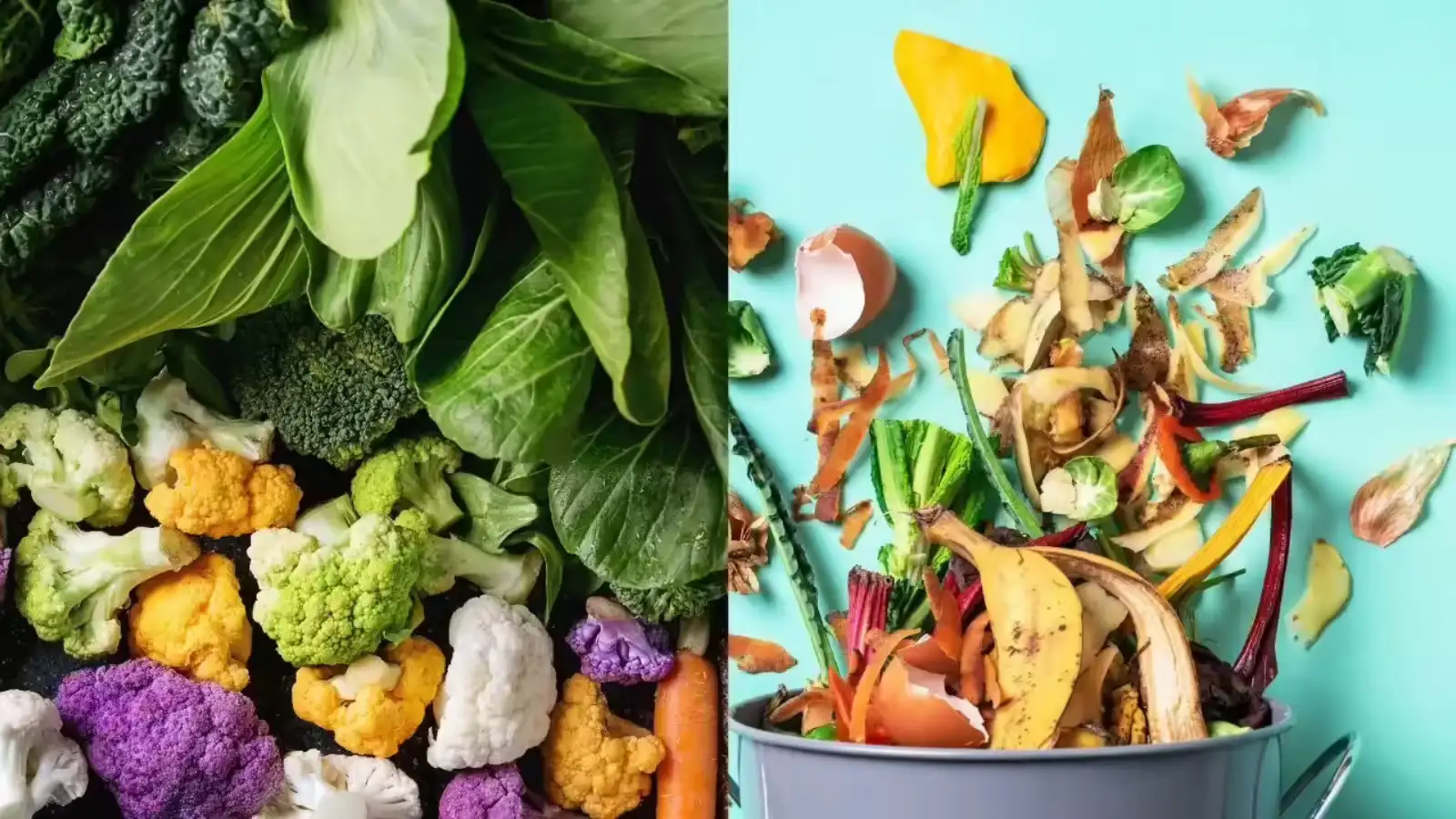
Why Should You Regrow Kitchen Scraps?
Regrowing vegetables and herbs from leftover kitchen scraps is an eco-friendly habit that makes better use of the food you already buy. While every scrap may not produce a full harvest, many can provide a steady supply of fresh leaves, herbs or vegetables for everyday cooking. It is also an enjoyable gardening activity for beginners and a great way to introduce children to growing food at home.
Here are seven common kitchen scraps you can easily regrow.
1. Spring Onions
Spring onions are one of the quickest and easiest vegetables to regrow.
Fresh green shoots usually appear within a week. Once strong roots develop, move the plant into soil for continuous harvesting.
2. Lettuce
Don't discard the base of a lettuce head - it can produce a fresh crop of leaves.
How to regrow:
New leaves begin growing from the centre after several days. Once roots develop, transplant it into soil for healthier growth.
3. Celery
The bottom of a celery bunch can easily grow into a new plant.
How to regrow:
Fresh leaves and stalks will emerge from the centre before roots begin forming underneath. Transfer it to soil once the roots are well established.
4. Garlic
A single garlic clove can eventually grow into an entirely new bulb.
How to regrow:
You can harvest the tender green garlic shoots early or allow the bulb to mature over the coming months.
5. Ginger
Fresh ginger root is easy to multiply at home.
How to regrow:
New shoots usually appear after a few weeks, while fresh ginger gradually develops beneath the soil.
6. Potatoes
Even potatoes that have started sprouting can produce an entirely new crop.
How to regrow:
As the plant matures, new potatoes will form underground and can be harvested after the foliage naturally dies back.
7. Basil
Fresh basil stems root quickly, making them perfect for indoor propagation.
How to regrow:
Once the roots grow to around 2 inches long, transplant the basil into a pot filled with soil for long-term growth.
Simple Tips for Successfully Regrowing Kitchen Scraps
To improve your chances of success, follow these easy gardening tips:
Start Growing Instead of Throwing Away
Regrowing kitchen scraps is a simple yet rewarding habit that helps reduce food waste, lowers grocery expenses and brings fresh greenery into your home. With just a little care, everyday leftovers can become productive plants that provide fresh ingredients for your kitchen time and again.
Why Should You Regrow Kitchen Scraps?
Regrowing vegetables and herbs from leftover kitchen scraps is an eco-friendly habit that makes better use of the food you already buy. While every scrap may not produce a full harvest, many can provide a steady supply of fresh leaves, herbs or vegetables for everyday cooking. It is also an enjoyable gardening activity for beginners and a great way to introduce children to growing food at home.
Here are seven common kitchen scraps you can easily regrow.
1. Spring Onions
Spring onions are one of the quickest and easiest vegetables to regrow.
How to regrow:
- Save the white root end with about 2-3 inches of the green stalk.
- Place it in a glass with enough water to cover the roots.
- Keep the glass near a bright window.
- Refresh the water every two or three days.
Fresh green shoots usually appear within a week. Once strong roots develop, move the plant into soil for continuous harvesting.
2. Lettuce
Don't discard the base of a lettuce head - it can produce a fresh crop of leaves.
How to regrow:
- Place the lettuce base in a shallow dish with a small amount of water.
- Keep it in bright but indirect sunlight.
- Replace the water every few days.
New leaves begin growing from the centre after several days. Once roots develop, transplant it into soil for healthier growth.
3. Celery
The bottom of a celery bunch can easily grow into a new plant.
How to regrow:
- Save the bottom 2 inches of the celery.
- Stand it in a shallow bowl of water.
- Place it in a sunny location.
- Change the water regularly.
Fresh leaves and stalks will emerge from the centre before roots begin forming underneath. Transfer it to soil once the roots are well established.
4. Garlic
A single garlic clove can eventually grow into an entirely new bulb.
You may also like
- Psychology says that individuals who travel with family tend to exhibit higher emotional resilience, stronger social bonding, and better overall well-being
- SSY Update: New interest rate for Sukanya Samriddhi Yojana announced..
- Inside Emraan Hashmi's Elegant Pali Hill Residence and Impressive Property Portfolio
- Trouble mounts for PF account holders! Users will not be able to withdraw money from their PF accounts until this date..
- 8th Pay Commission: Here are 5 major updates regarding the 8th Pay Commission for central government employees..
How to regrow:
- Plant a healthy clove with the pointed tip facing upwards.
- Use loose, well-draining soil.
- Water lightly and consistently.
- Keep it in a sunny spot.
You can harvest the tender green garlic shoots early or allow the bulb to mature over the coming months.
5. Ginger
Fresh ginger root is easy to multiply at home.
How to regrow:
- Choose a healthy ginger piece with visible buds or "eyes."
- Plant it just beneath the soil surface with the buds facing upward.
- Keep the soil evenly moist.
- Place it in a warm location with partial sunlight.
New shoots usually appear after a few weeks, while fresh ginger gradually develops beneath the soil.
6. Potatoes
Even potatoes that have started sprouting can produce an entirely new crop.
How to regrow:
- Cut a sprouting potato into sections, ensuring each piece has at least one healthy eye.
- Leave the cut pieces to dry for about a day.
- Plant them several inches deep in loose, fertile soil.
- Water regularly.
As the plant matures, new potatoes will form underground and can be harvested after the foliage naturally dies back.
7. Basil
Fresh basil stems root quickly, making them perfect for indoor propagation.
How to regrow:
- Cut a healthy stem measuring around 4-6 inches.
- Remove the leaves from the lower half.
- Place the stem in a glass of clean water.
- Keep it in bright light away from strong afternoon sun.
Once the roots grow to around 2 inches long, transplant the basil into a pot filled with soil for long-term growth.
Simple Tips for Successfully Regrowing Kitchen Scraps
To improve your chances of success, follow these easy gardening tips:
- Replace the water every few days to keep it fresh.
- Always use clean containers to prevent mould and bacteria.
- Give your plants plenty of sunlight, while protecting delicate varieties from harsh afternoon heat.
- Move water-grown plants into soil once healthy roots develop.
- Be patient, as some plants regrow within days while others may take several weeks.
Start Growing Instead of Throwing Away
Regrowing kitchen scraps is a simple yet rewarding habit that helps reduce food waste, lowers grocery expenses and brings fresh greenery into your home. With just a little care, everyday leftovers can become productive plants that provide fresh ingredients for your kitchen time and again.






More from our partners


Loving Newspoint? Download the app now
