
Nature's Snake Hunter: The Non-Venomous Reptile Immune to Pit Viper Venom

In the world of reptiles, the prefix "king" is reserved exclusively for snake species that actively hunt and eat other snakes, a specialized dietary habit known scientifically as ophiophagy. While the famous King Cobra achieves this dominance using potent neurotoxic venom, the North American kingsnake takes a completely different approach. It possesses no venom at all, relying instead on sheer physical power, remarkable muscle constriction, and a biological superpower that leaves scientists fascinated.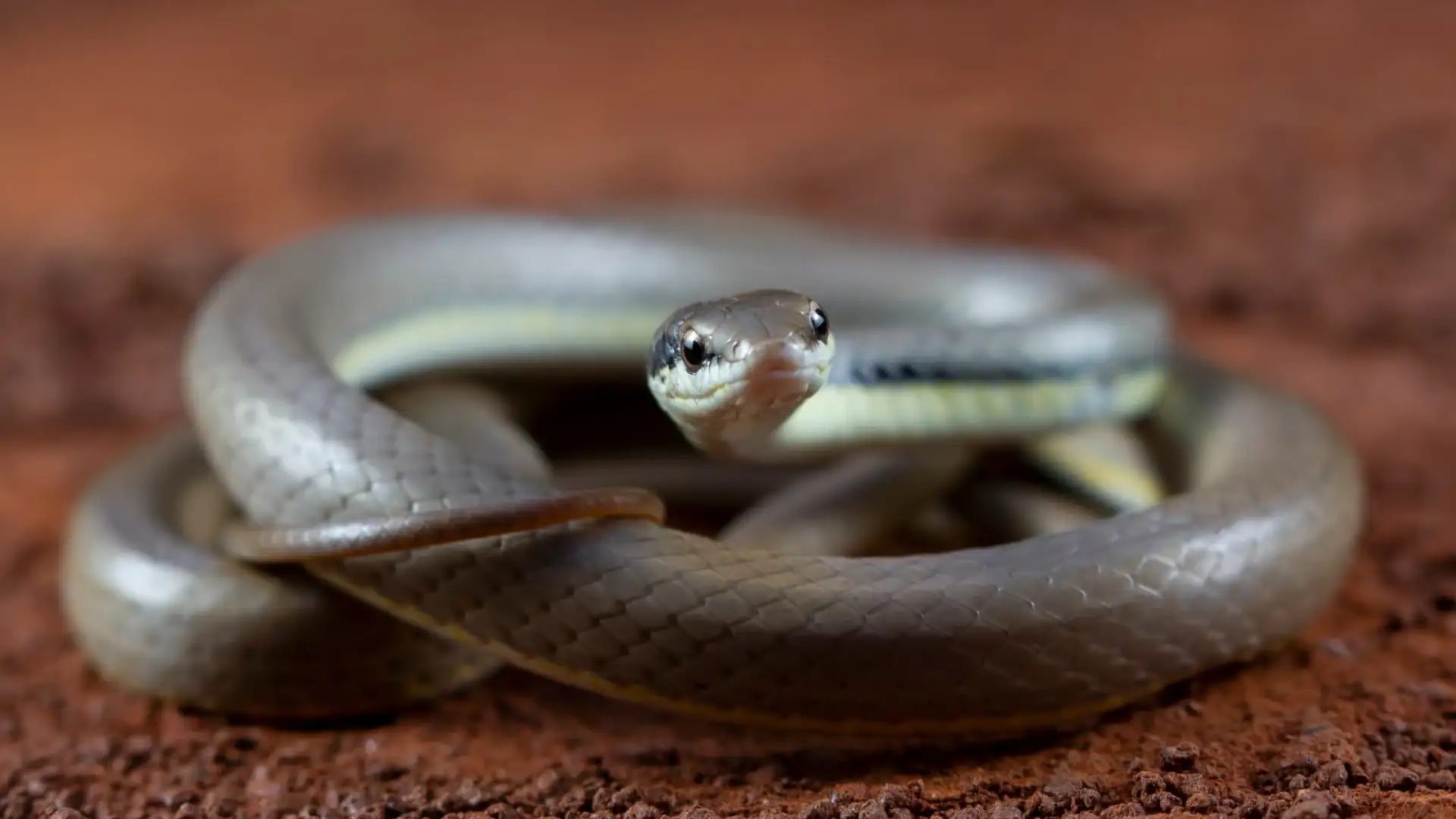
For hikers, campers, and eco-travelers exploring the wilderness of North and Central America, encountering a kingsnake is a prized sighting. Far from being a threat, these reptiles are viewed by wildlife enthusiasts and local farmers alike as natural pest controllers and beneficial allies that keep venomous snake populations in check around trailheads and agricultural areas.
Under normal circumstances, such bites would cause rapid tissue destruction or systemic shutdown in almost any other animal. However, kingsnakes have evolved specialized blood enzymes and target-site mutations that neutralize pit viper venom proteins on a cellular level. This biological defense allows the kingsnake to sustain multiple bites during a battle without suffering fatal consequences, continuing its attack until its prey is fully subdued.
and are native to a wide range of ecosystems spanning across North America, Central America, and parts of South America. Because they are highly adaptable, eco-tourists and nature photographers can spot them in several distinct habitats:
For hikers, campers, and eco-travelers exploring the wilderness of North and Central America, encountering a kingsnake is a prized sighting. Far from being a threat, these reptiles are viewed by wildlife enthusiasts and local farmers alike as natural pest controllers and beneficial allies that keep venomous snake populations in check around trailheads and agricultural areas.
The Secret Armor: Immune to Deadly Venom
The most extraordinary feature of the kingsnake is its natural immunity to the complex hemotoxic and neurotoxic venoms of native pit vipers. When a kingsnake attacks a venomous species like a timber rattlesnake, cottonmouth, or copperhead, the target inevitably strikes back, injecting lethal doses of venom directly into the kingsnake's body.You may also like
- The Japanese secret to being calmer and happier
- Meet Komal, a single mother who drives an auto across Mumbai's streets with her child beside her
- Don't believe these breastfeeding myths; learn detailed information from experts
- Vastu Remedies: Avoid these mistakes near the main door of your home; they create Vastu defects, learn the details
- If you are also troubled by cockroaches, then try these 5 effective home remedies
Under normal circumstances, such bites would cause rapid tissue destruction or systemic shutdown in almost any other animal. However, kingsnakes have evolved specialized blood enzymes and target-site mutations that neutralize pit viper venom proteins on a cellular level. This biological defense allows the kingsnake to sustain multiple bites during a battle without suffering fatal consequences, continuing its attack until its prey is fully subdued.
Brute Force Constriction and Hunting Technique
While immunity protects the kingsnake from venom, its hunting success comes down to mechanical force. Kingsnakes generate some of the highest constriction pressure relative to body size of any snake species on Earth.- Targeted Overpowering: A kingsnake typically strikes toward the head of its prey to minimize the target's ability to bite effectively.
- Tight Coiling: Once a grip is established, the kingsnake wraps its muscular body tightly around the rival snake, exerting immense pressure that restricts blood flow and circulatory movement.
- Swallowing Whole: Because snakes are long and limbless, swallowing another snake poses unique physical challenges. Kingsnakes use specialized jaw mechanics to slowly fold and digest their prey, sometimes consuming snakes that are nearly as long as themselves.
Where Travelers Can Find Kingsnakes in the Wild
Kingsnakes belong to the genusand are native to a wide range of ecosystems spanning across North America, Central America, and parts of South America. Because they are highly adaptable, eco-tourists and nature photographers can spot them in several distinct habitats:
- North American Forests and Woodlands: Species like the Eastern Kingsnake thrive in humid pine forests, river valleys, and coastal plains across the eastern United States.
- Deserts and Scrublands: The California Kingsnake and Desert Kingsnake are frequently encountered in arid rocky canyons, desert shrublands, and grasslands throughout the American Southwest and northern Mexico.
- Agricultural and Suburban Edges: Because rodent and snake populations congregate around farm fields, woodpiles, and barns, kingsnakes often establish territories near rural properties and hiking corridors.






Loving Newspoint? Download the app now
