
Mint Leaves Health Benefits: Why This Kitchen Herb Is More Than Just a Garnish

Mint leaves health benefits go far beyond adding a refreshing flavour to chutneys, drinks and dishes. A common herb found in almost every Indian kitchen, mint has been valued for centuries for its cooling properties and traditional medicinal uses. From supporting digestion to helping with common oral and skin concerns, this simple green herb has been considered a natural wellness ingredient in many households.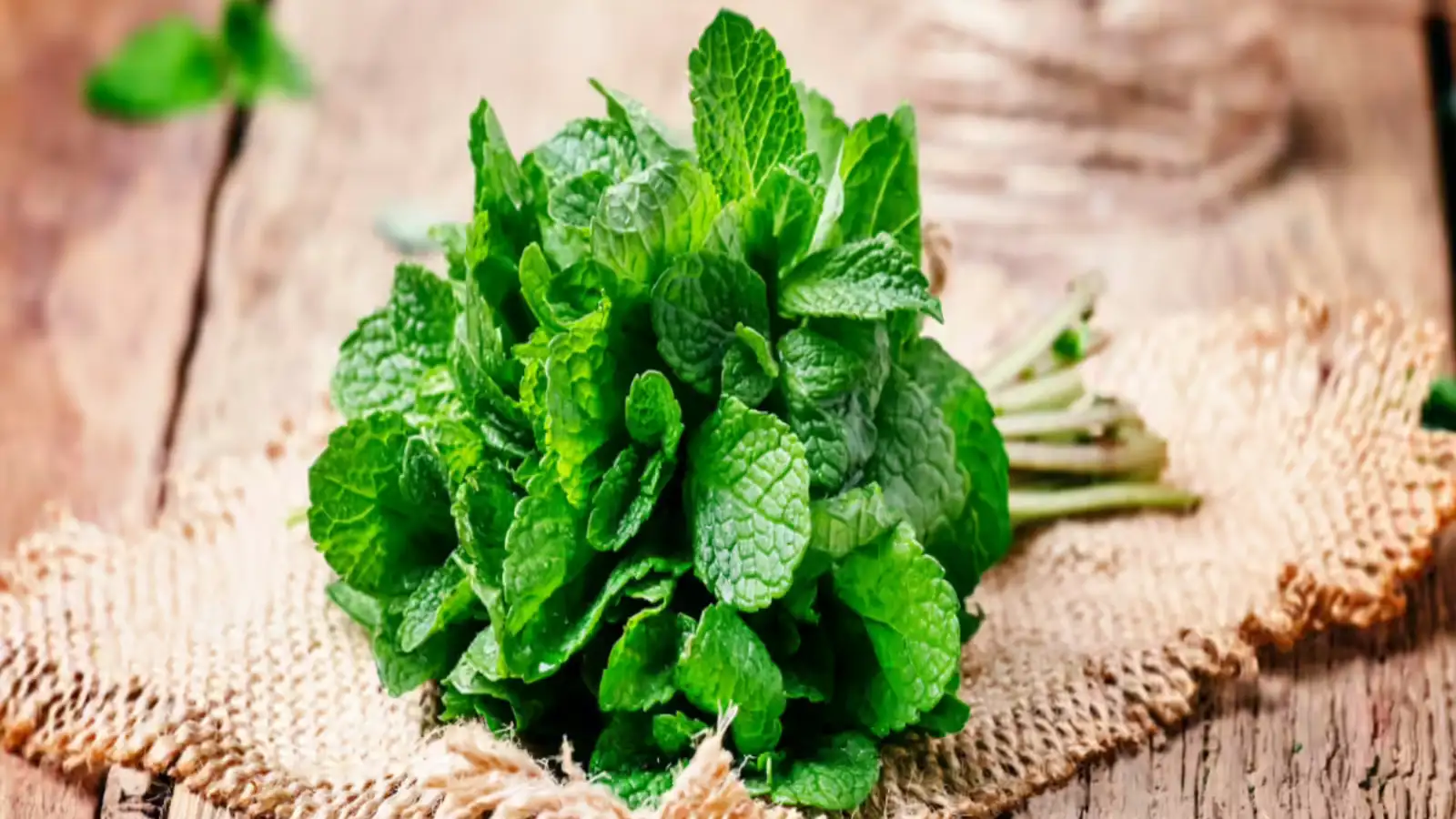
Mint Leaves: A Traditional Herb With Cooling Properties
Mint, also known as pudina, is widely consumed during summer because of its refreshing and cooling effect. Mint sherbet, chutneys and infused drinks are popular choices during hot weather as they help provide a feeling of freshness and comfort.
According to traditional health practices, mint has been used for generations as a home remedy for several everyday problems. While many people use it mainly to enhance the taste of food, experts suggest that this small herb has several beneficial properties that make it a valuable addition to daily diets.
Mint Leaves May Support Better Digestion
One of the most recognised traditional uses of mint leaves is for improving digestive health. The herb contains natural compounds along with vitamins and minerals that are believed to support overall wellbeing.
According to AYUSH Officer Dr Narendra Patel, mint has traditionally been used to manage common digestive issues such as acidity, stomach discomfort and gas. In many homes, fresh mint leaves are consumed after meals or added to dishes to support smoother digestion.
Fresh mint juice is also considered a traditional remedy for acidity. Dr Patel suggests that consuming a small quantity of fresh mint leaf juice may provide quick relief from digestive discomfort.
Mint Leaves Benefits for Oral Health
Mint is also widely known for its refreshing aroma, which makes it a popular ingredient in oral care products. Traditionally, chewing fresh mint leaves has been practised to help reduce bad breath and keep the mouth feeling fresh.
Herbal preparations made using mint leaves are also commonly used in traditional remedies. Gargling with a decoction prepared from mint leaves is believed to help soothe mouth ulcers and provide comfort from irritation.
Mint Leaves May Help Maintain Healthy Skin
Apart from digestion and oral care, mint has also been used traditionally for certain skin-related concerns. Crushed mint leaves are sometimes applied as a home remedy to soothe minor skin discomfort.
The herb’s refreshing properties have made it a popular ingredient in various natural skincare preparations. However, for any persistent skin condition, medical advice should always be considered.
Different Ways To Add Mint To Your Daily Diet
Mint is an extremely versatile herb and can easily be included in everyday meals. Some common ways to consume mint include:
Its unique flavour and refreshing qualities make it an easy ingredient to include in a regular diet.
Mint In Traditional Remedies: From Mouth Ulcers To Minor Wounds
For centuries, mint has been used in several traditional remedies. According to Dr Patel, crushed mint leaves have been applied in some households to minor wounds for soothing relief.
Similarly, dried mint leaves are traditionally used in certain home remedies. A paste prepared from crushed dried mint leaves has also been used traditionally to reduce discomfort caused by insect or scorpion stings. However, serious injuries or medical concerns require immediate professional treatment.
Why Mint Deserves More Attention In Your Kitchen
Although mint leaves are often treated as a simple garnish, their traditional uses highlight their importance as a wellness herb. From refreshing drinks to digestive remedies, mint continues to hold a special place in Indian kitchens.
While scientific research continues to explore the full potential of this herb, adding fresh mint to a balanced diet can be a simple way to enjoy its flavour and traditional benefits. This humble kitchen ingredient proves that even everyday herbs can have a valuable role in maintaining overall wellbeing.
Mint Leaves: A Traditional Herb With Cooling Properties
Mint, also known as pudina, is widely consumed during summer because of its refreshing and cooling effect. Mint sherbet, chutneys and infused drinks are popular choices during hot weather as they help provide a feeling of freshness and comfort.
According to traditional health practices, mint has been used for generations as a home remedy for several everyday problems. While many people use it mainly to enhance the taste of food, experts suggest that this small herb has several beneficial properties that make it a valuable addition to daily diets.
Mint Leaves May Support Better Digestion
One of the most recognised traditional uses of mint leaves is for improving digestive health. The herb contains natural compounds along with vitamins and minerals that are believed to support overall wellbeing.
According to AYUSH Officer Dr Narendra Patel, mint has traditionally been used to manage common digestive issues such as acidity, stomach discomfort and gas. In many homes, fresh mint leaves are consumed after meals or added to dishes to support smoother digestion.
Fresh mint juice is also considered a traditional remedy for acidity. Dr Patel suggests that consuming a small quantity of fresh mint leaf juice may provide quick relief from digestive discomfort.
Mint Leaves Benefits for Oral Health
Mint is also widely known for its refreshing aroma, which makes it a popular ingredient in oral care products. Traditionally, chewing fresh mint leaves has been practised to help reduce bad breath and keep the mouth feeling fresh.
Herbal preparations made using mint leaves are also commonly used in traditional remedies. Gargling with a decoction prepared from mint leaves is believed to help soothe mouth ulcers and provide comfort from irritation.
Mint Leaves May Help Maintain Healthy Skin
Apart from digestion and oral care, mint has also been used traditionally for certain skin-related concerns. Crushed mint leaves are sometimes applied as a home remedy to soothe minor skin discomfort.
You may also like
- M&S shoppers snap up 'perfect' linen trousers for heatwave now slashed to £6
- Boots shoppers flock to buy 'amazing' anti-ageing cream for £10 in sale
- Explore Trendy Draping Styles for Heavy Sarees
- Why opening every kitchen cabinet for a few seconds each morning could help reduce a hidden mould risk
- The world's oldest surviving copy of Homer's Odyssey in book form is 1,700 years old: It goes on display two days before Christopher Nolan's Odyssey hits cinemas
The herb’s refreshing properties have made it a popular ingredient in various natural skincare preparations. However, for any persistent skin condition, medical advice should always be considered.
Different Ways To Add Mint To Your Daily Diet
Mint is an extremely versatile herb and can easily be included in everyday meals. Some common ways to consume mint include:
- Adding fresh mint leaves to chutneys and sauces
- Mixing mint into salads and snacks
- Preparing refreshing mint juice or sherbet
- Adding chopped mint leaves to rice, curries and beverages
- Using mint-based herbal preparations
Its unique flavour and refreshing qualities make it an easy ingredient to include in a regular diet.
Mint In Traditional Remedies: From Mouth Ulcers To Minor Wounds
For centuries, mint has been used in several traditional remedies. According to Dr Patel, crushed mint leaves have been applied in some households to minor wounds for soothing relief.
Similarly, dried mint leaves are traditionally used in certain home remedies. A paste prepared from crushed dried mint leaves has also been used traditionally to reduce discomfort caused by insect or scorpion stings. However, serious injuries or medical concerns require immediate professional treatment.
Why Mint Deserves More Attention In Your Kitchen
Although mint leaves are often treated as a simple garnish, their traditional uses highlight their importance as a wellness herb. From refreshing drinks to digestive remedies, mint continues to hold a special place in Indian kitchens.
While scientific research continues to explore the full potential of this herb, adding fresh mint to a balanced diet can be a simple way to enjoy its flavour and traditional benefits. This humble kitchen ingredient proves that even everyday herbs can have a valuable role in maintaining overall wellbeing.






Loving Newspoint? Download the app now
