
Monsoon Pet Care Tips: How To Protect Your Fur Companion This Rainy Season

The arrival of the monsoon brings cooler weather and relief from intense summer heat, but for pets, the rainy season can also create several health challenges. Increased humidity, muddy surroundings, damp fur, and reduced outdoor activity can affect your furry companion’s skin, digestion, immunity, and overall comfort.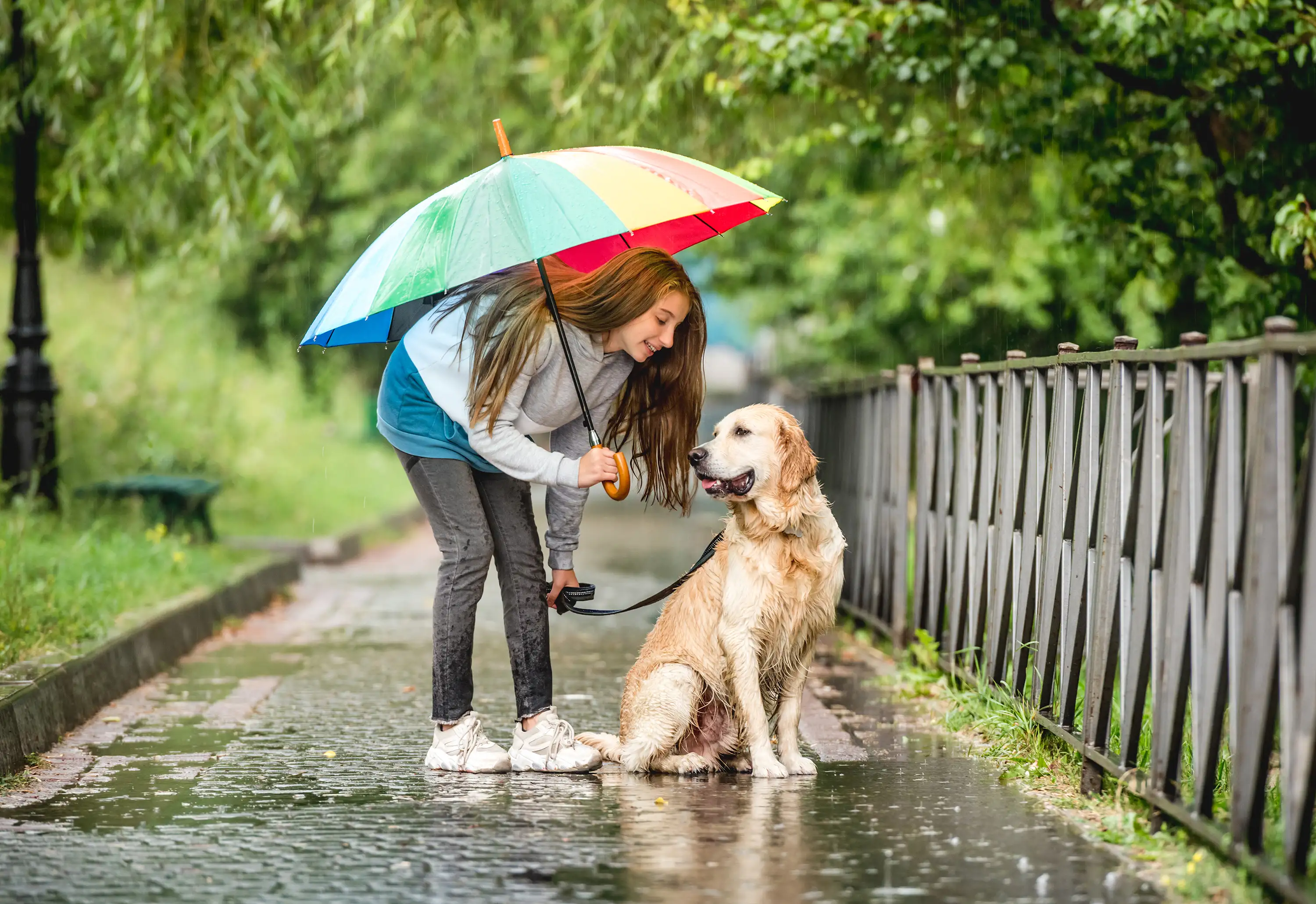
Many pet parents notice changes in their dogs and cats during this season, from excessive scratching to low energy levels. The good news is that with the right monsoon pet care routine, most seasonal problems can be prevented easily. A little extra attention to hygiene, nutrition, and preventive care can help pets stay active and healthy throughout the rains.
Pets often walk through wet grass, muddy roads, puddles, and dirty water during outdoor walks. Moisture trapped inside the fur or between the paws may lead to irritation, itching, unpleasant odour, and even infections. In many cases, pet parents may notice their dog licking its paws repeatedly or scratching more than usual.
Dog skin infection and fungal irritation can worsen quickly if ignored. Early signs such as redness, hair fall, rashes, or constant scratching should never be overlooked. Consulting a veterinarian at the right time can prevent minor skin concerns from becoming serious health issues.
Also Read: Monsoon Pet Care: 5 Simple Ways To Protect Your Pet From Seasonal Illness
Providing balanced and nutritious meals helps support healthy digestion and encourages the growth of good gut bacteria. Nutrients such as Vitamins A, D, and E, along with zinc and Omega 3 and Omega 6 fatty acids, are important for maintaining healthy skin and coat condition.
Every pet has different nutritional needs depending on age, breed, and activity levels, so feeding routines should always be planned carefully. Fresh drinking water and clean food bowls are equally important during the monsoon season.
Food storage also requires extra care. Pet food should always be stored in airtight containers away from moisture to maintain quality and freshness.
Moisture trapped between the toes can cause discomfort and infection over time. Wiping pets dry after walks can reduce exposure to dirt, bacteria, and fungal growth.
Bathing pets too frequently during monsoon may sometimes dry out the skin, so it is important to follow a balanced routine suitable for the breed. However, drying the fur completely after a bath or rainy walk is extremely important.
Pet bedding, blankets, toys, and resting areas should also be cleaned regularly. A dry and well ventilated environment helps pets stay comfortable and reduces the risk of infections.
Also Read: Smart And Affordable Pet Care Hacks That Can Help Indian Families Save More
Preventive healthcare allows early detection of potential issues and keeps pets protected from seasonal infections. Indoor games, short training sessions, and mental stimulation activities can also help pets stay physically and emotionally active when outdoor exercise becomes limited.
By following simple monsoon pet care practices, pet parents can help their furry companions stay healthy, energetic, and comfortable throughout the rainy season.
Many pet parents notice changes in their dogs and cats during this season, from excessive scratching to low energy levels. The good news is that with the right monsoon pet care routine, most seasonal problems can be prevented easily. A little extra attention to hygiene, nutrition, and preventive care can help pets stay active and healthy throughout the rains.
Why Pets Face More Skin Problems During Monsoon
One of the biggest concerns during the rainy season is pet skin problems . Constant exposure to moisture and damp surfaces creates the perfect environment for bacterial and fungal growth.Pets often walk through wet grass, muddy roads, puddles, and dirty water during outdoor walks. Moisture trapped inside the fur or between the paws may lead to irritation, itching, unpleasant odour, and even infections. In many cases, pet parents may notice their dog licking its paws repeatedly or scratching more than usual.
Dog skin infection and fungal irritation can worsen quickly if ignored. Early signs such as redness, hair fall, rashes, or constant scratching should never be overlooked. Consulting a veterinarian at the right time can prevent minor skin concerns from becoming serious health issues.
Also Read: Monsoon Pet Care: 5 Simple Ways To Protect Your Pet From Seasonal Illness
Importance Of Nutrition During The Rainy Season
Proper pet nutrition during monsoon plays a major role in maintaining overall health and immunity. Sudden changes in diet, too many treats, or irregular feeding habits can sometimes upset digestion, especially during humid weather when microbes increase in the environment.Providing balanced and nutritious meals helps support healthy digestion and encourages the growth of good gut bacteria. Nutrients such as Vitamins A, D, and E, along with zinc and Omega 3 and Omega 6 fatty acids, are important for maintaining healthy skin and coat condition.
Every pet has different nutritional needs depending on age, breed, and activity levels, so feeding routines should always be planned carefully. Fresh drinking water and clean food bowls are equally important during the monsoon season.
You may also like
- No need for a new phone! These 5 Android phones offer the longest software update support.
- PM Yashasvi Yojana 2026: OBC and EWS students can get up to ₹1.25 lakh yearly; apply before the deadline.
- Effective Vastu Remedies for a Harmonious Home
- Astrological Insights: Mercury's Transit and Its Impact on Zodiac Signs
- Understanding Chaturmas 2026: Significance and Guidelines
Food storage also requires extra care. Pet food should always be stored in airtight containers away from moisture to maintain quality and freshness.
Hygiene Is Essential During Monsoon
Good hygiene is one of the simplest yet most effective rainy season pet care practices. After every outdoor walk, pets should be cleaned properly, especially their paws, underbelly, and coat.Moisture trapped between the toes can cause discomfort and infection over time. Wiping pets dry after walks can reduce exposure to dirt, bacteria, and fungal growth.
Bathing pets too frequently during monsoon may sometimes dry out the skin, so it is important to follow a balanced routine suitable for the breed. However, drying the fur completely after a bath or rainy walk is extremely important.
Pet bedding, blankets, toys, and resting areas should also be cleaned regularly. A dry and well ventilated environment helps pets stay comfortable and reduces the risk of infections.
Also Read: Smart And Affordable Pet Care Hacks That Can Help Indian Families Save More
Preventive Care Supports Strong Immunity
A healthy immune system helps pets cope better with seasonal changes. Regular veterinary visits, vaccinations, and parasite control remain important during the rainy season when fleas, ticks, mites, and lice become more active.Preventive healthcare allows early detection of potential issues and keeps pets protected from seasonal infections. Indoor games, short training sessions, and mental stimulation activities can also help pets stay physically and emotionally active when outdoor exercise becomes limited.
A Little Care Makes A Big Difference
The monsoon season does not have to be difficult for pets or pet parents. Small daily habits such as maintaining pet hygiene, providing balanced nutrition, keeping the environment dry, and monitoring skin health can make a huge difference.By following simple monsoon pet care practices, pet parents can help their furry companions stay healthy, energetic, and comfortable throughout the rainy season.






More from our partners


Loving Newspoint? Download the app now
