
Most Colourful Cities Around the World You Must Visit Once

Some cities leave an impression through towering skylines or famous landmarks, while others captivate visitors with something much simpler: colour. Across the world, certain destinations are instantly recognisable for their brightly painted houses, vibrant streets and cheerful neighbourhoods that seem to lift the mood of everyone who visits. Yet these colourful facades are rarely just decorative. In many cases, they reflect centuries of history, local traditions or practical solutions that evolved over time. Whether perched beside canals, nestled in mountains or overlooking the sea, these cities prove that colour can tell stories, preserve heritage and transform everyday streets into unforgettable travel experiences.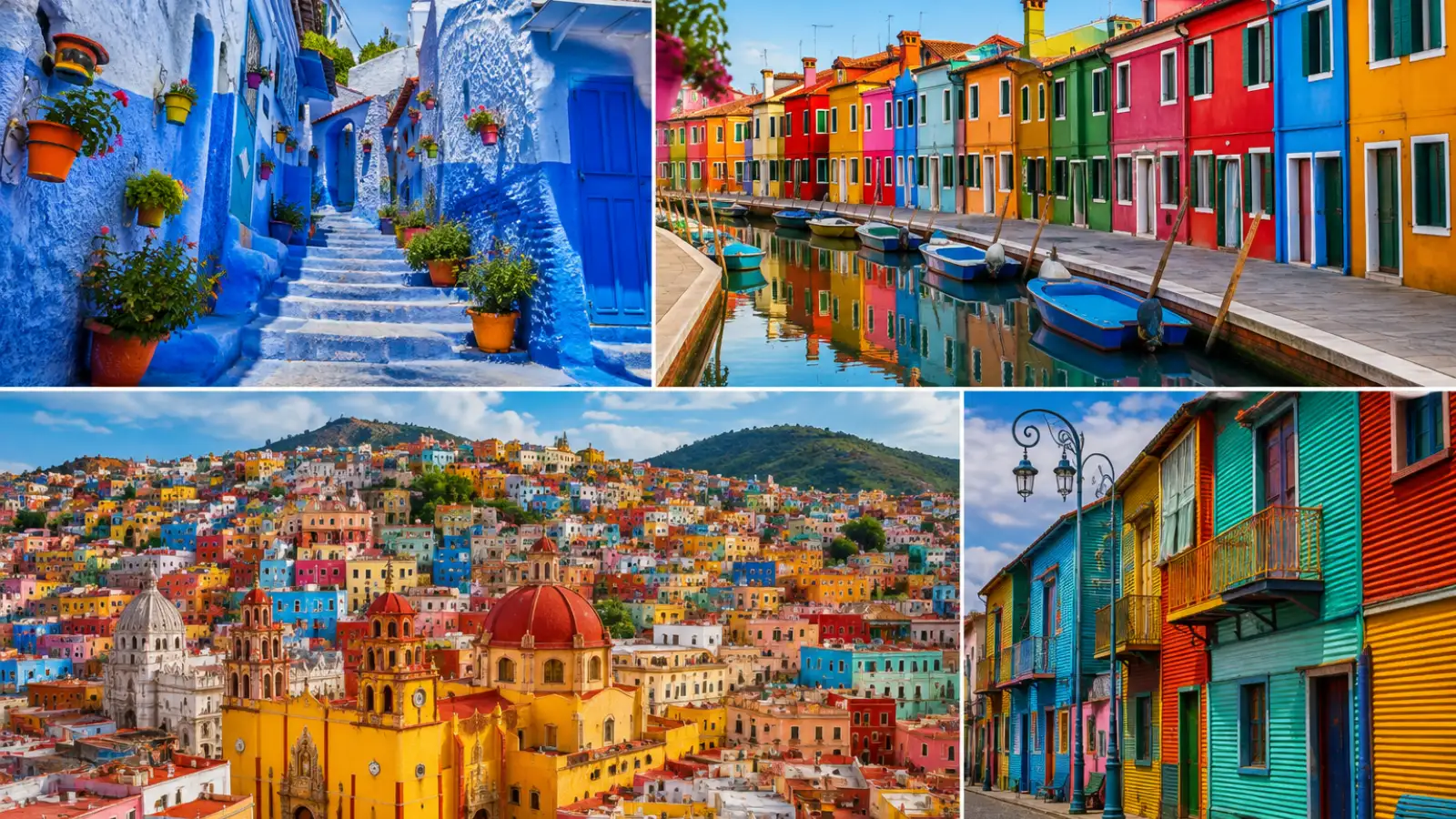
Today, these colourful streets attract millions of visitors each year, but many cities continue to preserve strict rules that protect their unique appearance. This careful conservation helps maintain both their charm and historical significance.
There are several theories behind the blue walls. Some believe the colour represents the sky and spirituality, while others suggest it helps keep buildings cool or discourages mosquitoes. Whatever the reason, wandering through its winding alleyways feels like stepping into a dream.
Even today, residents must obtain official permission before repainting their homes, ensuring Burano retains its famous patchwork of colour. The island is also celebrated for its delicate handmade lace, adding another layer of cultural heritage.
Across the Atlantic, Buenos Aires' La Boca neighbourhood is equally iconic. Its colourful metal houses were originally painted using leftover ship paint by dockworkers. Today, the area remains one of Argentina's most photographed locations and a centre for tango culture.
Travelling to such places reminds us that thoughtful design and cultural identity can make even ordinary streets feel extraordinary.
Why Some Cities Became So Colourful
Brightly coloured buildings are often rooted in history rather than fashion. In fishing communities, colourful homes helped sailors identify their houses from the sea. Elsewhere, vivid paint became a symbol of cultural identity, artistic expression or community pride.Today, these colourful streets attract millions of visitors each year, but many cities continue to preserve strict rules that protect their unique appearance. This careful conservation helps maintain both their charm and historical significance.
Chefchaouen Brings the Blue to Morocco
Tucked into the Rif Mountains, Chefchaouen is famous for its striking blue-painted streets and buildings. Known as the "Blue Pearl of Morocco", the city offers a peaceful atmosphere unlike Morocco's busier tourist hubs.There are several theories behind the blue walls. Some believe the colour represents the sky and spirituality, while others suggest it helps keep buildings cool or discourages mosquitoes. Whatever the reason, wandering through its winding alleyways feels like stepping into a dream.
You may also like
- Three health checkups a year can reduce hospital costs, reveals report.
- Robotic Valve Replacement: Safdarjung sets world record, performs unique heart surgery with robot
- Ram Kapoor Opens Up About His Struggles on Lock Upp: A Journey Through Depression and Redemption
- Vastu Shastra: Remove these things from your house during the month of Shravan, they bring negativity. Click here to know more
- Flipkart follows in Zomato and Swiggy's footsteps! May launch food delivery service from August 15..
Burano Adds Colour to the Venetian Lagoon
Just a short boat ride from Venice lies Burano, an island renowned for its vividly painted houses. Local legend suggests fishermen painted their homes in bold colours so they could recognise them through thick fog.Even today, residents must obtain official permission before repainting their homes, ensuring Burano retains its famous patchwork of colour. The island is also celebrated for its delicate handmade lace, adding another layer of cultural heritage.
Guanajuato and La Boca Celebrate Creativity
Mexico's Guanajuato dazzles visitors with hillsides covered in brightly coloured colonial buildings. Narrow streets, underground tunnels and lively public squares create an atmosphere unlike anywhere else in the country. Every autumn, the city hosts the internationally acclaimed Cervantino Festival, filling its colourful streets with music, theatre and art.Across the Atlantic, Buenos Aires' La Boca neighbourhood is equally iconic. Its colourful metal houses were originally painted using leftover ship paint by dockworkers. Today, the area remains one of Argentina's most photographed locations and a centre for tango culture.
More Than Just Beautiful Streets
Colourful cities are more than social media favourites. They often support local economies through tourism while encouraging communities to preserve their architectural heritage. Many visitors also discover that these destinations offer rich traditions, local cuisine and fascinating history beyond their eye-catching appearance.Travelling to such places reminds us that thoughtful design and cultural identity can make even ordinary streets feel extraordinary.






Loving Newspoint? Download the app now
