
Navratri 2026: Best Spices for Vrat Food and Which Ones to Avoid

Navratri 2026 is a time when many devotees observe fasts and prepare special meals according to their religious and family traditions. Choosing the right spices for Navratri vrat food can help make dishes such as sabudana khichdi, kuttu paratha and vrat wale aloo flavourful without breaking fasting rules. While cumin, black pepper and sendha namak are commonly used, ingredients such as hing, mustard seeds and turmeric may be avoided in some households. Since fasting customs differ across regions and families, it is important to know which seasonings suit your vrat practices.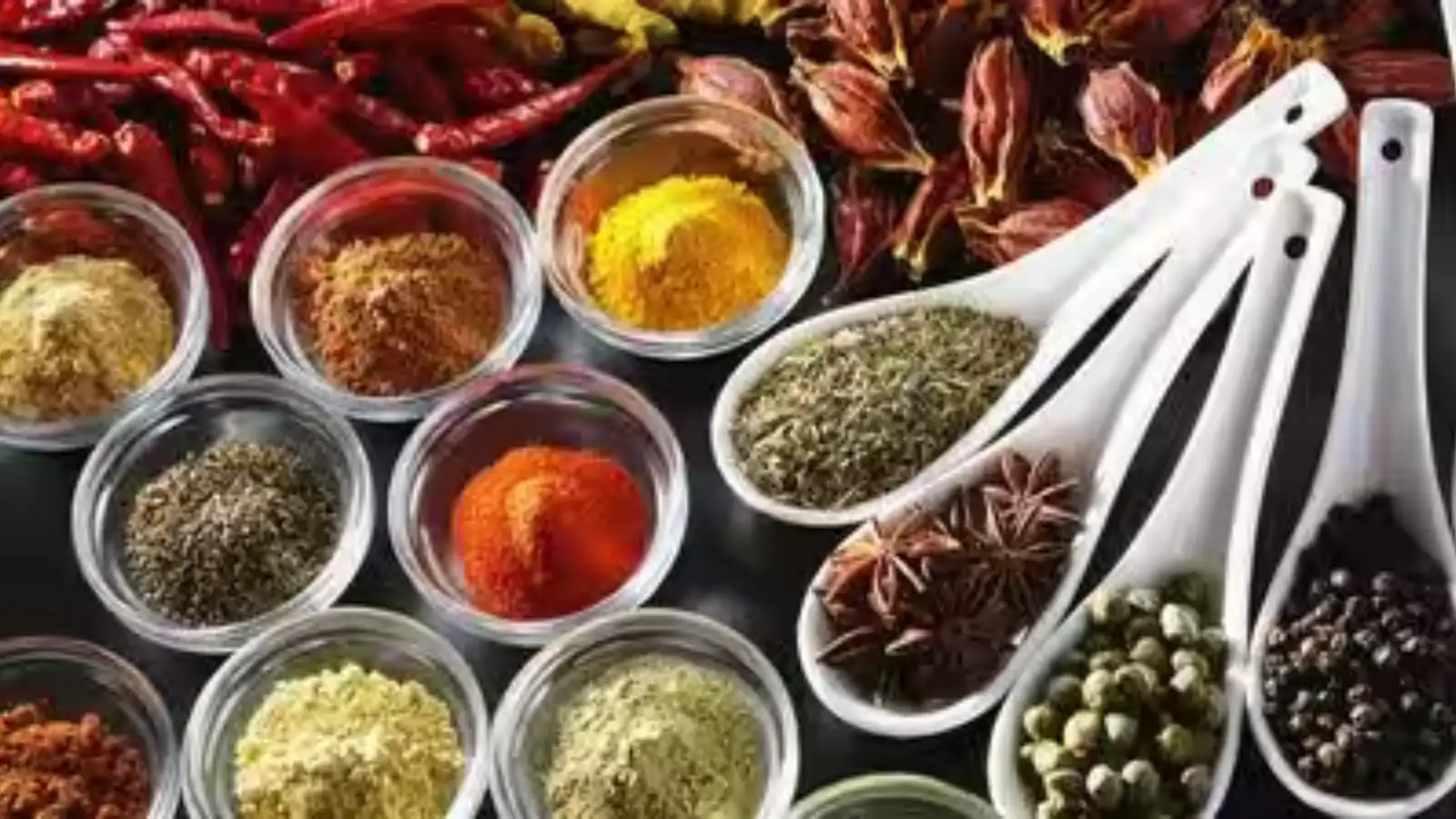
You can heat a little ghee in a pan, add cumin seeds and let them release their aroma before mixing in soaked sabudana, roasted peanuts and boiled potatoes. Roasted cumin powder can also add flavour to curd-based dishes and raita.
For a quick vrat-friendly dish, mix boiled potatoes with freshly crushed black pepper, sendha namak and a little lemon juice. Adjust the seasoning according to your taste and fasting customs.
Although it is commonly chosen for fasting meals, rock salt still contains sodium. People advised to restrict their salt intake should follow their healthcare professional's recommendations.
You can crush one or two cardamom pods and add them to makhana kheer or a fasting-friendly halwa. A small quantity is usually enough to give desserts a pleasant aroma without overpowering their flavour.
Try simmering a small piece of cinnamon in milk or adding a light sprinkle of cinnamon powder to a suitable sweet dish. Its flavour works best when used in moderation.
However, ajwain is not accepted in every fasting tradition. Check your household's customs before adding it to your Navratri recipes.
Also Read: Navratri 2026: Why Is Sendha Namak Used During Fasting Instead of Table Salt?
Packaged asafoetida powder may also contain wheat flour or other ingredients. If your fasting rules exclude hing or wheat-based products, check the label carefully and choose an alternative that meets your requirements.
If mustard seeds are not permitted in your vrat, cumin can be used to create an aromatic base for dishes such as jeera aloo or sabudana khichdi.
If your family's fasting rules do not allow methi dana, avoid adding it to spice mixes or savoury dishes prepared for the occasion.
Before adding turmeric to a fasting potato curry or vegetable dish, check the rules followed in your household. It is not accurate to say that turmeric is universally prohibited during Navratri.
Fresh green chillies may be permitted in some households but avoided in others. Follow your family's fasting practices rather than assuming that all types of chilli have the same restrictions.
Also Read: Navratri 2026 Day 4: Maa Kushmanda Puja Vidhi, Colour, Bhog, Mantra and Significance
The best approach is to follow the customs you observe and choose seasonings accordingly. With a few suitable spices and fresh ingredients, you can prepare delicious Navratri vrat meals without making your recipes unnecessarily complicated.
Navratri 2026: Spices You Can Add to Vrat Food
Fasting meals do not have to be bland. A few carefully chosen spices can enhance their taste and aroma while keeping preparations simple. Here are some seasonings commonly used in Navratri vrat recipes .1. Cumin Seeds ( Jeera )
Cumin is a popular choice for vrat cooking because of its warm, earthy flavour. It works particularly well in potato dishes, sabudana khichdi and other savoury fasting recipes.You can heat a little ghee in a pan, add cumin seeds and let them release their aroma before mixing in soaked sabudana, roasted peanuts and boiled potatoes. Roasted cumin powder can also add flavour to curd-based dishes and raita.
2. Black Pepper (Kali Mirch)
Black pepper is often used to add heat to fasting meals when red chilli powder is avoided. Its sharp, aromatic taste complements potatoes, cucumber raita and fruit chaat without overpowering their natural flavours.For a quick vrat-friendly dish, mix boiled potatoes with freshly crushed black pepper, sendha namak and a little lemon juice. Adjust the seasoning according to your taste and fasting customs.
3. Rock Salt (Sendha Namak)
Sendha namak is widely used during Navratri fasts, particularly in households where regular table salt is not permitted. It can be added to sabudana khichdi, kuttu parathas, potato curries and fruit chaat.Although it is commonly chosen for fasting meals, rock salt still contains sodium. People advised to restrict their salt intake should follow their healthcare professional's recommendations.
4. Green Cardamom (Elaichi)
Green cardamom is an excellent option for adding fragrance to Navratri sweets. Its sweet, floral aroma pairs well with milk, nuts and makhana.You can crush one or two cardamom pods and add them to makhana kheer or a fasting-friendly halwa. A small quantity is usually enough to give desserts a pleasant aroma without overpowering their flavour.
5. Cinnamon (Dalchini)
Cinnamon adds a mild sweetness and warm fragrance to festive recipes. It can be used in milk-based preparations, desserts and certain beverages, depending on the fasting tradition you follow.Try simmering a small piece of cinnamon in milk or adding a light sprinkle of cinnamon powder to a suitable sweet dish. Its flavour works best when used in moderation.
6. Carom Seeds (Ajwain)
Ajwain has a strong, distinctive aroma that can enhance savoury fasting dishes. Some households use it in vrat-friendly flour preparations, including certain flatbreads and snacks.However, ajwain is not accepted in every fasting tradition. Check your household's customs before adding it to your Navratri recipes.
Also Read: Navratri 2026: Why Is Sendha Namak Used During Fasting Instead of Table Salt?
Navratri 2026: Spices to Avoid During Vrat
Some ingredients commonly used in everyday Indian cooking are excluded from fasting meals in many households. The rules are not identical everywhere, so use the following list as a general guide rather than a universal set of restrictions.1. Asafoetida (Hing)
Hing is frequently used in Indian tempering to add a strong, savoury aroma to dals, curries and vegetable dishes. However, it is commonly avoided in many Navratri vrat recipes.Packaged asafoetida powder may also contain wheat flour or other ingredients. If your fasting rules exclude hing or wheat-based products, check the label carefully and choose an alternative that meets your requirements.
2. Mustard Seeds (Rai)
Mustard seeds are known for their pungent flavour and are widely used in tempering, pickles and regional dishes. Many households leave them out while preparing food for Navratri fasts.If mustard seeds are not permitted in your vrat, cumin can be used to create an aromatic base for dishes such as jeera aloo or sabudana khichdi.
3. Fenugreek Seeds (Methi Dana)
Fenugreek seeds have a distinctive bitter taste and are commonly added to pickles, spice blends and vegetable preparations. They are often excluded from Navratri fasting meals.If your family's fasting rules do not allow methi dana, avoid adding it to spice mixes or savoury dishes prepared for the occasion.
4. Turmeric (Haldi)
Turmeric is a staple of everyday Indian cooking, but some households avoid it during Navratri fasts. Others may permit it, depending on their religious customs and the type of vrat they observe.Before adding turmeric to a fasting potato curry or vegetable dish, check the rules followed in your household. It is not accurate to say that turmeric is universally prohibited during Navratri.
5. Red Chilli Powder
Red chilli powder is commonly left out of many vrat recipes. Black pepper is often used instead to provide a sharp, spicy flavour without relying on chilli powder.Fresh green chillies may be permitted in some households but avoided in others. Follow your family's fasting practices rather than assuming that all types of chilli have the same restrictions.
Also Read: Navratri 2026 Day 4: Maa Kushmanda Puja Vidhi, Colour, Bhog, Mantra and Significance
Tips for Preparing Flavourful Navratri Vrat Meals
Preparing tasty fasting food becomes easier when you understand which ingredients are suitable for your observance. Keep these practical tips in mind:- Check your family's fasting rules: Customs can vary by region, community and household.
- Use simple seasonings: Cumin, black pepper and permitted herbs can add flavour without requiring a long list of ingredients.
- Read packaged-food labels: Flour, starches and other additives may affect whether a product is suitable for your vrat.
- Avoid unnecessary spice combinations: A few complementary seasonings can bring out the natural taste of potatoes, sabudana, fruits and dairy-based dishes.
- Follow your dietary needs: Fasting does not mean ignoring medical advice, especially if you need to manage your salt intake or other dietary restrictions.
The best approach is to follow the customs you observe and choose seasonings accordingly. With a few suitable spices and fresh ingredients, you can prepare delicious Navratri vrat meals without making your recipes unnecessarily complicated.
Next Story