
Pistachio Shells in Gardening: 5 Creative Ways to Reuse Them for a Healthier Garden

Pistachio shells in gardening can be a surprisingly useful way to recycle kitchen waste and improve plant health naturally. Instead of throwing away pistachio shells after enjoying the nuts, gardeners can reuse them for better drainage, moisture control, composting, pest protection and soil improvement. These small, sturdy shells take time to break down, making them a long-lasting addition to pots, garden beds and compost piles. However, before using them, make sure to clean off any salt residue to protect your plants.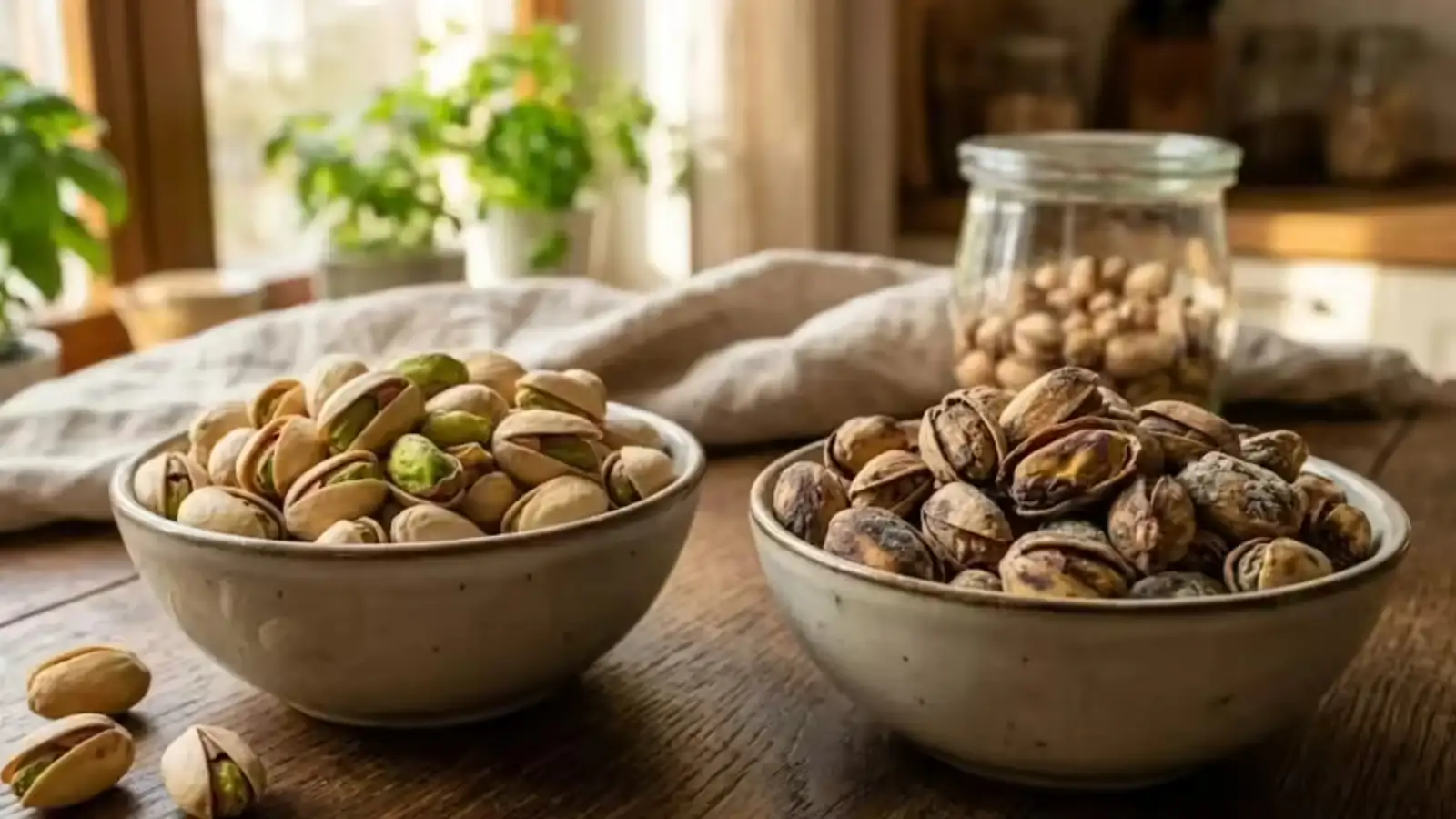
1. Use Pistachio Shells as a Natural Drainage Layer in Plant Pots
One of the easiest ways to reuse pistachio shells in gardening is by placing them at the bottom of plant containers to improve drainage. A layer of around one to two inches of shells beneath the potting soil can help prevent water from collecting around plant roots, reducing the risk of root rot.
They work similarly to gravel, stones or broken pottery pieces that gardeners often use in large pots. The added benefit is that pistachio shells are lightweight, making them a practical choice for bigger planters where using heavy materials can make containers difficult to move.
Over time, the shells slowly break down naturally, meaning gardeners do not need to remove and replace them during every repotting session.
2. Create Long-Lasting Mulch for Moisture Retention and Weed Control
Pistachio shells can also be used as a durable mulch layer around plants. When spread over the soil surface, they help reduce moisture loss by slowing down evaporation and keeping the soil temperature more stable.
During hot weather, the shells help protect plant roots from excessive heat, while in colder months, they provide an extra layer of insulation. Unlike softer mulching materials such as leaves or straw, pistachio shells do not easily break down, flatten or wash away during heavy rainfall.
A layer of shells around plants can also limit weed growth by blocking sunlight from reaching unwanted seedlings. As they gradually decompose, they add small amounts of organic material back into the soil.
3. Keep Slugs, Snails and Digging Pests Away Naturally
Another creative use of pistachio shells in gardening is as a natural barrier against certain pests. Crushed or broken shells have a rough, uneven texture that can make it uncomfortable for soft-bodied pests like slugs and snails to move across.
By spreading crushed pistachio shells around the base of plants, gardeners can create a protective layer similar to barriers made from crushed eggshells. While this method may not eliminate pests completely, it can help reduce unwanted visitors in garden beds.
The shells can also discourage animals such as squirrels or other digging creatures from disturbing freshly planted soil, especially in outdoor pots and vegetable gardens.
4. Add Crushed Pistachio Shells to Your Compost
Pistachio shells that are not used elsewhere can become a valuable addition to a compost pile. They act as a carbon-rich “brown” material, helping balance nitrogen-heavy compost ingredients like vegetable scraps and grass clippings.
Since pistachio shells are tough and slow to break down, crushing them into smaller pieces before adding them to compost can speed up decomposition. Smaller fragments mix more easily with other compost materials and allow microorganisms to work on them more effectively.
Although they may take a long time to fully decompose, pistachio shells can contribute to creating nutrient-rich compost over time while reducing household waste.
5. Improve Heavy Soil with Crushed Pistachio Shells
Gardeners dealing with compacted or clay-heavy soil can use crushed pistachio shells to improve soil structure. When mixed into dense soil, the shell pieces create tiny gaps that improve airflow and allow water to move more freely.
Better soil aeration helps plant roots grow more easily and reduces problems caused by waterlogged conditions. This can be especially useful for plants that struggle in tightly packed soil.
However, pistachio shells remain visible in soil for a long time, so this method works best for gardeners who do not mind a slightly natural, textured appearance in their garden beds.
A Simple Way to Turn Kitchen Waste into Garden Benefits
Pistachio shells may seem like ordinary kitchen waste, but they can offer several practical benefits when reused in the garden. From improving drainage and protecting soil moisture to supporting compost and reducing pests, these small shells can become a useful gardening resource.
The next time you finish a bowl of pistachios, consider saving the shells instead of throwing them away. With a little preparation and patience, they can help create a healthier and more sustainable garden.
Disclaimer:
This article is meant for general informational purposes only. Always wash salted pistachio shells thoroughly before adding them to soil, as excess salt can damage plant roots. Take care while crushing shells because sharp edges may cause injuries. Keep shells away from pets that may try to chew them. For plant-specific guidance or soil-related concerns, consult a local gardening expert or nursery.
1. Use Pistachio Shells as a Natural Drainage Layer in Plant Pots
One of the easiest ways to reuse pistachio shells in gardening is by placing them at the bottom of plant containers to improve drainage. A layer of around one to two inches of shells beneath the potting soil can help prevent water from collecting around plant roots, reducing the risk of root rot.
They work similarly to gravel, stones or broken pottery pieces that gardeners often use in large pots. The added benefit is that pistachio shells are lightweight, making them a practical choice for bigger planters where using heavy materials can make containers difficult to move.
Over time, the shells slowly break down naturally, meaning gardeners do not need to remove and replace them during every repotting session.
2. Create Long-Lasting Mulch for Moisture Retention and Weed Control
Pistachio shells can also be used as a durable mulch layer around plants. When spread over the soil surface, they help reduce moisture loss by slowing down evaporation and keeping the soil temperature more stable.
During hot weather, the shells help protect plant roots from excessive heat, while in colder months, they provide an extra layer of insulation. Unlike softer mulching materials such as leaves or straw, pistachio shells do not easily break down, flatten or wash away during heavy rainfall.
A layer of shells around plants can also limit weed growth by blocking sunlight from reaching unwanted seedlings. As they gradually decompose, they add small amounts of organic material back into the soil.
3. Keep Slugs, Snails and Digging Pests Away Naturally
Another creative use of pistachio shells in gardening is as a natural barrier against certain pests. Crushed or broken shells have a rough, uneven texture that can make it uncomfortable for soft-bodied pests like slugs and snails to move across.
By spreading crushed pistachio shells around the base of plants, gardeners can create a protective layer similar to barriers made from crushed eggshells. While this method may not eliminate pests completely, it can help reduce unwanted visitors in garden beds.
You may also like
- How to Swaddle A Newborn Properly: A Step-by-Step Guide
- Retirement Planning: Ensure a regular income after retirement! These 6 excellent options will secure your future..
- Why isn't just drinking water enough during the monsoon season? Electrolytes are also essential for keeping the body hydrated. Learn more
- Sawan 2026:Important Dates,and Lord Shiva's Sacred Month
- From NEET aspirant to Supreme Court litigant: How the 19-Year-Old teenager fought for his right to become a doctor
The shells can also discourage animals such as squirrels or other digging creatures from disturbing freshly planted soil, especially in outdoor pots and vegetable gardens.
4. Add Crushed Pistachio Shells to Your Compost
Pistachio shells that are not used elsewhere can become a valuable addition to a compost pile. They act as a carbon-rich “brown” material, helping balance nitrogen-heavy compost ingredients like vegetable scraps and grass clippings.
Since pistachio shells are tough and slow to break down, crushing them into smaller pieces before adding them to compost can speed up decomposition. Smaller fragments mix more easily with other compost materials and allow microorganisms to work on them more effectively.
Although they may take a long time to fully decompose, pistachio shells can contribute to creating nutrient-rich compost over time while reducing household waste.
5. Improve Heavy Soil with Crushed Pistachio Shells
Gardeners dealing with compacted or clay-heavy soil can use crushed pistachio shells to improve soil structure. When mixed into dense soil, the shell pieces create tiny gaps that improve airflow and allow water to move more freely.
Better soil aeration helps plant roots grow more easily and reduces problems caused by waterlogged conditions. This can be especially useful for plants that struggle in tightly packed soil.
However, pistachio shells remain visible in soil for a long time, so this method works best for gardeners who do not mind a slightly natural, textured appearance in their garden beds.
A Simple Way to Turn Kitchen Waste into Garden Benefits
Pistachio shells may seem like ordinary kitchen waste, but they can offer several practical benefits when reused in the garden. From improving drainage and protecting soil moisture to supporting compost and reducing pests, these small shells can become a useful gardening resource.
The next time you finish a bowl of pistachios, consider saving the shells instead of throwing them away. With a little preparation and patience, they can help create a healthier and more sustainable garden.
Disclaimer:
This article is meant for general informational purposes only. Always wash salted pistachio shells thoroughly before adding them to soil, as excess salt can damage plant roots. Take care while crushing shells because sharp edges may cause injuries. Keep shells away from pets that may try to chew them. For plant-specific guidance or soil-related concerns, consult a local gardening expert or nursery.






Loving Newspoint? Download the app now
