
Why Pistachios Are At The Centre Of Global Trade Conflicts

At first glance, pistachios appear harmless. They are served in desserts, sprinkled over sweets and packed into luxury snack boxes around the world. Yet behind this small green nut lies a surprisingly powerful story involving global trade, political conflict and economic influence.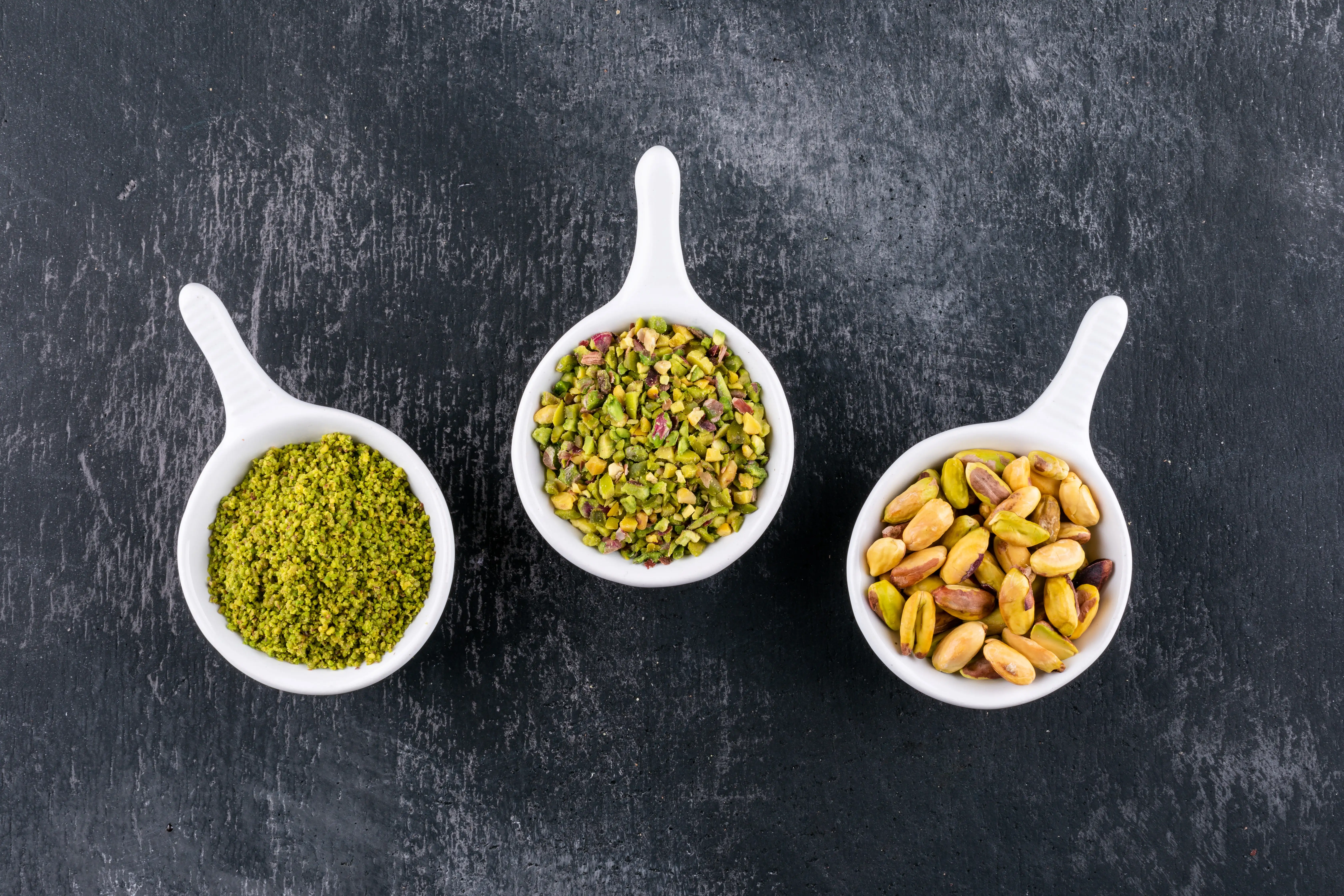
Today, the pistachio industry is no longer just about food. It has become deeply connected to geopolitics, sanctions, water crises and billion-dollar agricultural power.
Varieties such as Kerman and Akbari were considered some of the best in the global pistachio market . Iranian farmers and exporters dominated international trade for decades, supplying bakers, confectioners and luxury food brands across the world.
However, global politics slowly changed the balance of power.
Also Read: How to Make Pistachio Rolls at Home for Festive Joy
Then came the Iranian Revolution in 1979, followed by strained diplomatic relations between Iran and the United States. Economic sanctions, banking restrictions and trade barriers gradually made it difficult for Iranian exporters to operate freely in international markets.
By the 1980s, American pistachio growers successfully pushed for high tariffs on Iranian imports. This move significantly reduced Iran’s access to the US market and reshaped the global pistachio trade.
Over time, buyers shifted towards California pistachios not only because of production capacity but also because American suppliers offered more stable logistics, easier banking systems and fewer geopolitical risks.
The pistachio industry has become one of the most profitable agricultural sectors in the region. Billion-dollar companies dominate production, packaging and international distribution.
Modern pistachio farming in California relies heavily on irrigation and technological efficiency. New pistachio varieties have also been developed to improve crop yields and withstand climate-related farming challenges.
However, this rapid expansion has also raised environmental concerns.
Critics argue that industrial agriculture places significant pressure on public water resources and natural ecosystems. Environmental activists have also questioned the long-term impact of intensive irrigation practices in dry regions.
As climate change continues to affect agriculture globally, water availability may become one of the biggest future challenges for the pistachio economy .
Also Read: Easy Homemade Pistachio Ice Cream Recipe for a Creamy Summer Treat
Today, the pistachio industry is no longer just about food. It has become deeply connected to geopolitics, sanctions, water crises and billion-dollar agricultural power.
The Ancient Roots Of Pistachios
For centuries, pistachios were closely associated with Iran, historically known as Persia. The crop naturally thrived in the region’s dry climate, and Iranian pistachios became famous worldwide for their rich flavour, oil content and premium quality.Varieties such as Kerman and Akbari were considered some of the best in the global pistachio market . Iranian farmers and exporters dominated international trade for decades, supplying bakers, confectioners and luxury food brands across the world.
However, global politics slowly changed the balance of power.
Also Read: How to Make Pistachio Rolls at Home for Festive Joy
How America Took Over The Pistachio Industry
The major turning point came during the late 20th century. In the 1970s, pistachio farming began expanding rapidly in California’s San Joaquin Valley due to favourable weather conditions and agricultural investment.Then came the Iranian Revolution in 1979, followed by strained diplomatic relations between Iran and the United States. Economic sanctions, banking restrictions and trade barriers gradually made it difficult for Iranian exporters to operate freely in international markets.
By the 1980s, American pistachio growers successfully pushed for high tariffs on Iranian imports. This move significantly reduced Iran’s access to the US market and reshaped the global pistachio trade.
Over time, buyers shifted towards California pistachios not only because of production capacity but also because American suppliers offered more stable logistics, easier banking systems and fewer geopolitical risks.
The Rise Of California’s Pistachio Empire
Today, the United States controls a major share of the global pistachio market. Massive orchards spread across California, supported by advanced farming methods, large-scale machinery and strong export systems.The pistachio industry has become one of the most profitable agricultural sectors in the region. Billion-dollar companies dominate production, packaging and international distribution.
Modern pistachio farming in California relies heavily on irrigation and technological efficiency. New pistachio varieties have also been developed to improve crop yields and withstand climate-related farming challenges.
However, this rapid expansion has also raised environmental concerns.
The Water Crisis Behind Pistachio Farming
Pistachios require enormous amounts of water to grow successfully. In drought-prone California, large-scale pistachio farming has sparked debates around water usage and environmental sustainability.Critics argue that industrial agriculture places significant pressure on public water resources and natural ecosystems. Environmental activists have also questioned the long-term impact of intensive irrigation practices in dry regions.
As climate change continues to affect agriculture globally, water availability may become one of the biggest future challenges for the pistachio economy .
Also Read: Easy Homemade Pistachio Ice Cream Recipe for a Creamy Summer Treat
Iran’s Ongoing Struggles In The Pistachio Trade
Despite producing high-quality pistachios, Iranian farmers continue to face obstacles due to sanctions, financial restrictions and infrastructure challenges.Next Story