
Neighbourhood Friendships Are Back: How Local Connections Improve Mental Health and Fight Loneliness

For decades, modern urban living gradually pushed us away from our immediate surroundings. Busy work schedules, long daily commutes, and the rise of digital social networks meant that many of us knew people living hundreds of miles away far better than those living right next door. The local street became little more than a place to park the car or collect delivery packages.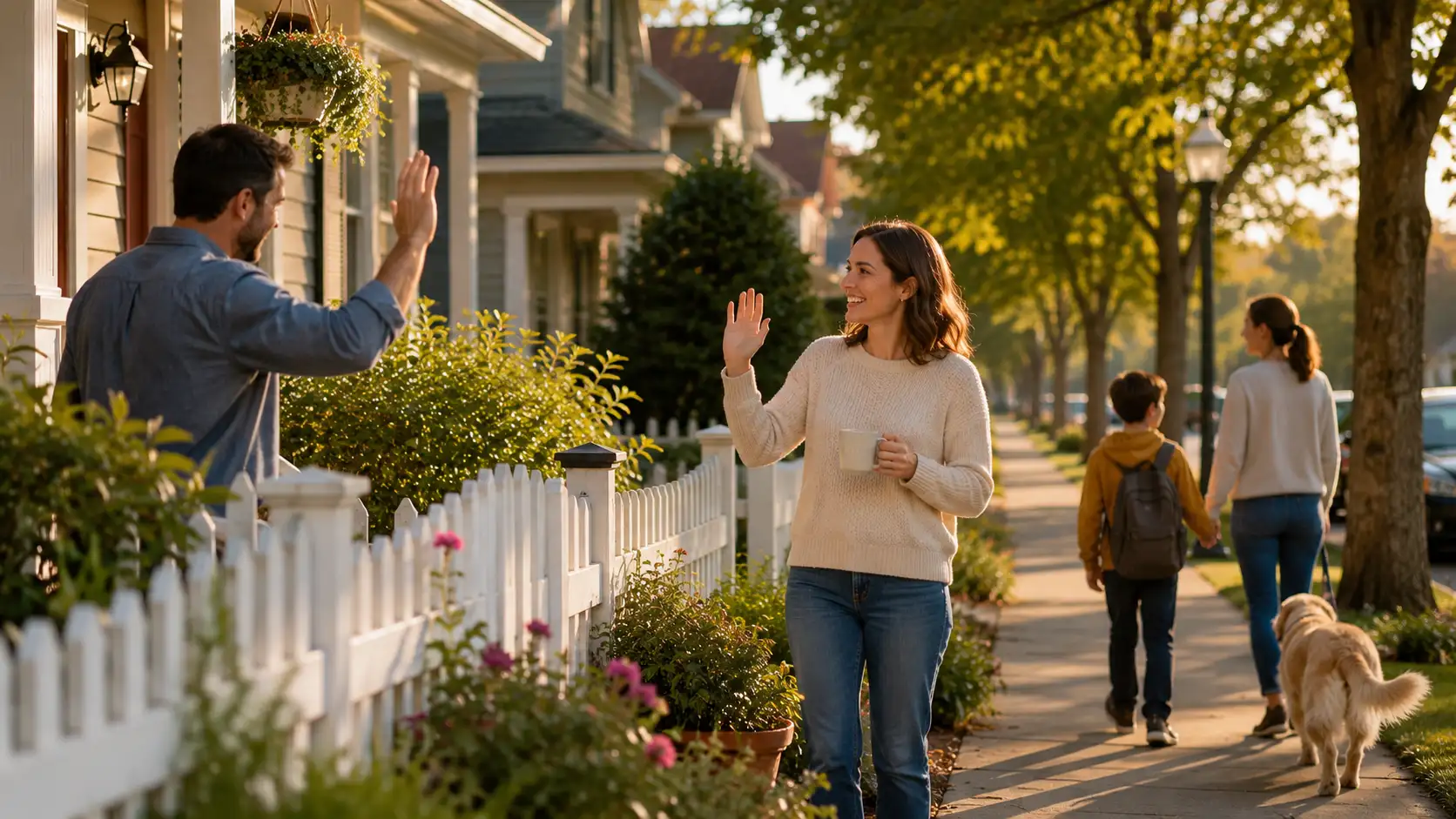
However, a noticeable shift is taking place in towns and cities today. People are actively rediscovering the value of "low-stakes" or casual neighbourhood friendships , the brief, warm interactions with the person who lives across the hallway, the local baker, or the parent you wave to during the morning school run. Far from being trivial, these simple local ties are proving to be essential for our mental well-being and sense of security.
Psychologists frequently point out that human beings thrive on regular, face-to-face contact. Casual neighbourhood interactions fill a unique gap in our social lives. Unlike close family ties or deep friendships, which require significant emotional energy and detailed planning, neighbourly chats are low-pressure. They demand very little time or commitment, yet they provide an immediate sense of human warmth and belonging.
Knowing that there are friendly, familiar faces living within walking distance creates a reassuring layer of security. In times of minor emergency such as locking yourself out, needing urgent help with an errand, or feeling unwell it is your immediate neighbours, rather than distant friends, who can physically step in to offer assistance.
Rebuilding neighbourhood connections turns local streets, shared garden spaces, and corner cafes back into vibrant social spaces. A brief wave over the fence or a pleasant morning greeting on the pavement lowers anxiety and reminds individuals that they are part of a living, caring community.
Simple, low-friction steps can make a real difference:
By embracing these small, meaningful moments, we can transform quiet streets into warm, supportive communities where everyone feels a little more at home.
However, a noticeable shift is taking place in towns and cities today. People are actively rediscovering the value of "low-stakes" or casual neighbourhood friendships , the brief, warm interactions with the person who lives across the hallway, the local baker, or the parent you wave to during the morning school run. Far from being trivial, these simple local ties are proving to be essential for our mental well-being and sense of security.
The Problem with Digital-Only Connections
While social media platforms allow us to maintain friendships across the globe, online interactions often lack the warmth and physical grounding of real-world contact. Curating messages, scrolling through curated photos, and typing quick comments can ironically leave us feeling isolated.Psychologists frequently point out that human beings thrive on regular, face-to-face contact. Casual neighbourhood interactions fill a unique gap in our social lives. Unlike close family ties or deep friendships, which require significant emotional energy and detailed planning, neighbourly chats are low-pressure. They demand very little time or commitment, yet they provide an immediate sense of human warmth and belonging.
Small Gestures with Big Impact
Casual local friendships often begin with simple, everyday moments. Borrowing a tool, keeping an eye on an incoming parcel, sharing surplus vegetables grown in the garden, or pausing for a five-minute chat while walking the dog might seem minor on the surface. However, over time, these small encounters accumulate to create a powerful social safety net.You may also like
- Property Tips: Can parents transfer their entire property to just one son or daughter? Find out what the law says..
- Tokens to enable instant ticket booking; relief from long queues—Railways' new system comes into effect on August 1..
- Night-Time Bottle Feeding: Can It Lead to Tooth Decay in Babies?
- Business Idea: Start these 5 businesses after Class 12; you could earn up to ₹15,000 per month..
- A Wallet for Daughters: An amazing Post Office scheme—deposit ₹50 daily and receive ₹8 lakh in 5 years..
Knowing that there are friendly, familiar faces living within walking distance creates a reassuring layer of security. In times of minor emergency such as locking yourself out, needing urgent help with an errand, or feeling unwell it is your immediate neighbours, rather than distant friends, who can physically step in to offer assistance.
Combating the Modern Loneliness Epidemic
Loneliness has become one of the defining public health challenges of the modern era, affecting young professionals just as severely as older retirees. One of the primary causes is the loss of casual "third places" community hubs where people can gather without the pressure of formal invitations.Rebuilding neighbourhood connections turns local streets, shared garden spaces, and corner cafes back into vibrant social spaces. A brief wave over the fence or a pleasant morning greeting on the pavement lowers anxiety and reminds individuals that they are part of a living, caring community.
How to Cultivate Local Connections Naturally
Reconnecting with your immediate community does not mean you need to invite all your neighbours over for long dinner parties or sacrifice your privacy. The beauty of casual neighbourhood friendships lies in their boundaries.Simple, low-friction steps can make a real difference:
- Greet people consistently: A simple "good morning" or smile to people on your street lays the groundwork for future conversations.
- Spend time in front space: Spending time in your front garden or sitting outdoors naturally invites brief, friendly chats with passers-by.
- Offer practical help: Helping a neighbour move a heavy package or offering to water plants while they are away builds goodwill effortlessly.
By embracing these small, meaningful moments, we can transform quiet streets into warm, supportive communities where everyone feels a little more at home.






Loving Newspoint? Download the app now
