
Rosemary Oil vs Castor Oil: Which Works Best for Summer Hair Growth?

The discussion around rosemary vs castor oil for summer hair growth has gained massive attention as people search for natural ways to maintain healthy hair during hot and humid months. Summer often brings excess sweating, oily scalps, and increased hair fall, making it harder to support consistent hair growth. Among the most popular remedies, rosemary oil and castor oil are widely used - but they behave very differently on the scalp, especially in high temperatures.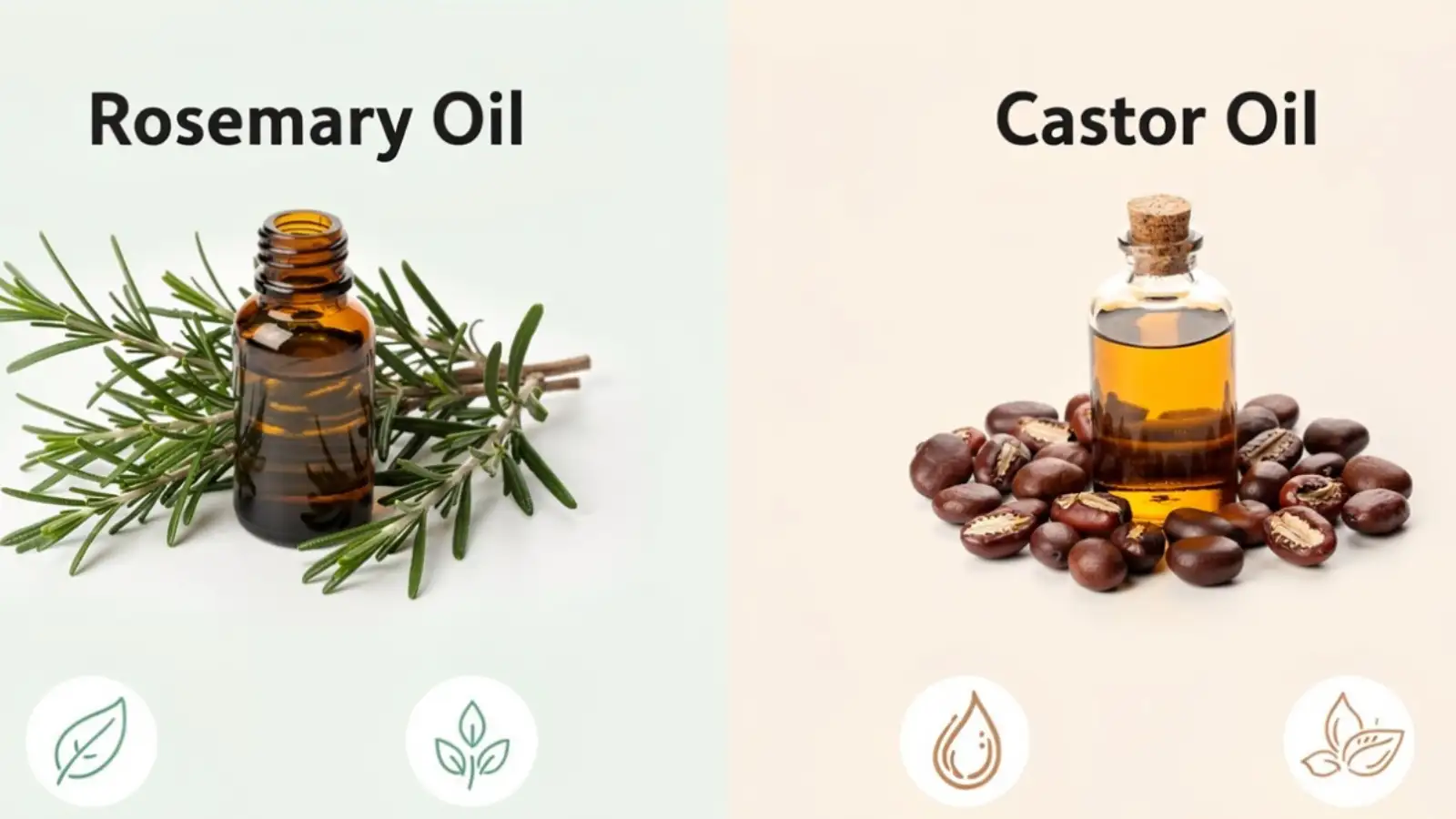
Why Summer Makes Hair Growth More Difficult
Summer conditions can disrupt your hair growth cycle and scalp health. The main issues include excess sweat buildup, increased oil production, clogged follicles, and scalp irritation caused by heat and humidity. Over time, these factors can weaken roots and slow down visible hair growth, making the choice of hair oil more important than ever.
Rosemary Oil for Summer Hair Growth: Lightweight and Scalp-Friendly
When comparing rosemary vs castor oil for summer hair growth, rosemary oil is often considered the more suitable option for hot weather.
Rosemary oil is lightweight and absorbs easily into the scalp without creating heaviness or buildup. It works by improving blood circulation to the hair follicles, which helps support stronger and healthier hair growth over time.
It also helps maintain scalp balance during summer by reducing excess oil, calming irritation, and supporting a cleaner scalp environment. Because it is typically used in diluted form with light carrier oils like jojoba or almond oil, it feels non-greasy and comfortable even in humid conditions.
Regular use is also linked to improved scalp health, reduced dandruff, and better follicle activity, making it a strong choice for consistent summer hair care.
Castor Oil for Hair Growth: Deep Nourishment but Too Heavy for Heat
Castor oil has long been popular for promoting thicker-looking hair, but in the context of rosemary vs castor oil for summer hair growth, it behaves quite differently.
It is extremely thick and rich, which allows it to deeply coat and condition the hair. However, during summer, this same heaviness can become a disadvantage. It tends to trap sweat, dirt, and oil on the scalp, especially in humid weather, which may lead to clogged pores and discomfort.
Another drawback is its difficulty in washing out. Frequent shampooing to remove castor oil can strip natural moisture from the hair, leading to dryness and breakage instead of supporting healthy growth. Rather than stimulating the scalp, it mainly coats the hair shaft to reduce dryness and improve texture.
Smart Way to Use Both Oils in Summer Hair Care
Instead of choosing only one, many people benefit from using both oils strategically in their routine.
Rosemary oil works best when applied to the scalp and roots, where it can stimulate follicles and maintain scalp freshness. Castor oil, on the other hand, is better suited for the mid-lengths and ends of the hair, where it helps lock in moisture and reduce split ends caused by sun exposure and dryness.
This combination allows the scalp to breathe while still keeping the hair nourished and protected.
Important Summer Hair Oil Tips
To get the best results from your routine, rosemary oil should always be diluted before application. It should not be used in excessive amounts, especially in humid weather.
Castor oil should be used sparingly on the scalp, if at all, and should never be left overnight during summer. Short application periods followed by proper cleansing help avoid buildup and scalp issues.
Maintaining a clean scalp environment is more important than heavy oiling during hot months.
Rosemary Wins the Summer Hair Growth Battle
In the comparison of rosemary vs castor oil for summer hair growth, rosemary oil clearly comes out on top for scalp health, comfort, and long-term growth support during hot weather. Its lightweight texture and ability to improve circulation make it ideal for summer use.
Castor oil still plays a useful role in conditioning and protecting hair lengths, but it is not the best choice for direct scalp application in humid conditions. For healthier, stronger hair growth in summer, rosemary oil is the more effective and practical option.
Why Summer Makes Hair Growth More Difficult
Summer conditions can disrupt your hair growth cycle and scalp health. The main issues include excess sweat buildup, increased oil production, clogged follicles, and scalp irritation caused by heat and humidity. Over time, these factors can weaken roots and slow down visible hair growth, making the choice of hair oil more important than ever.
Rosemary Oil for Summer Hair Growth: Lightweight and Scalp-Friendly
When comparing rosemary vs castor oil for summer hair growth, rosemary oil is often considered the more suitable option for hot weather.
Rosemary oil is lightweight and absorbs easily into the scalp without creating heaviness or buildup. It works by improving blood circulation to the hair follicles, which helps support stronger and healthier hair growth over time.
It also helps maintain scalp balance during summer by reducing excess oil, calming irritation, and supporting a cleaner scalp environment. Because it is typically used in diluted form with light carrier oils like jojoba or almond oil, it feels non-greasy and comfortable even in humid conditions.
Regular use is also linked to improved scalp health, reduced dandruff, and better follicle activity, making it a strong choice for consistent summer hair care.
Castor Oil for Hair Growth: Deep Nourishment but Too Heavy for Heat
Castor oil has long been popular for promoting thicker-looking hair, but in the context of rosemary vs castor oil for summer hair growth, it behaves quite differently.
It is extremely thick and rich, which allows it to deeply coat and condition the hair. However, during summer, this same heaviness can become a disadvantage. It tends to trap sweat, dirt, and oil on the scalp, especially in humid weather, which may lead to clogged pores and discomfort.
Another drawback is its difficulty in washing out. Frequent shampooing to remove castor oil can strip natural moisture from the hair, leading to dryness and breakage instead of supporting healthy growth. Rather than stimulating the scalp, it mainly coats the hair shaft to reduce dryness and improve texture.
Smart Way to Use Both Oils in Summer Hair Care
Instead of choosing only one, many people benefit from using both oils strategically in their routine.
Rosemary oil works best when applied to the scalp and roots, where it can stimulate follicles and maintain scalp freshness. Castor oil, on the other hand, is better suited for the mid-lengths and ends of the hair, where it helps lock in moisture and reduce split ends caused by sun exposure and dryness.
This combination allows the scalp to breathe while still keeping the hair nourished and protected.
Important Summer Hair Oil Tips
To get the best results from your routine, rosemary oil should always be diluted before application. It should not be used in excessive amounts, especially in humid weather.
Castor oil should be used sparingly on the scalp, if at all, and should never be left overnight during summer. Short application periods followed by proper cleansing help avoid buildup and scalp issues.
Maintaining a clean scalp environment is more important than heavy oiling during hot months.
Rosemary Wins the Summer Hair Growth Battle
In the comparison of rosemary vs castor oil for summer hair growth, rosemary oil clearly comes out on top for scalp health, comfort, and long-term growth support during hot weather. Its lightweight texture and ability to improve circulation make it ideal for summer use.
Castor oil still plays a useful role in conditioning and protecting hair lengths, but it is not the best choice for direct scalp application in humid conditions. For healthier, stronger hair growth in summer, rosemary oil is the more effective and practical option.
Next Story