
How to Travel During Monsoon Season Without Falling: Essential Safety Tips

There is something undeniably magical about exploring the world during the rainy season. Landscapes transform into vibrant shades of green, waterfalls flow at their peak, and misty mountain air creates a truly atmospheric holiday experience. However, travelling through downpours comes with a very distinct set of challenges most notably, slick pavements, muddy footpaths, and deceptively deep puddles.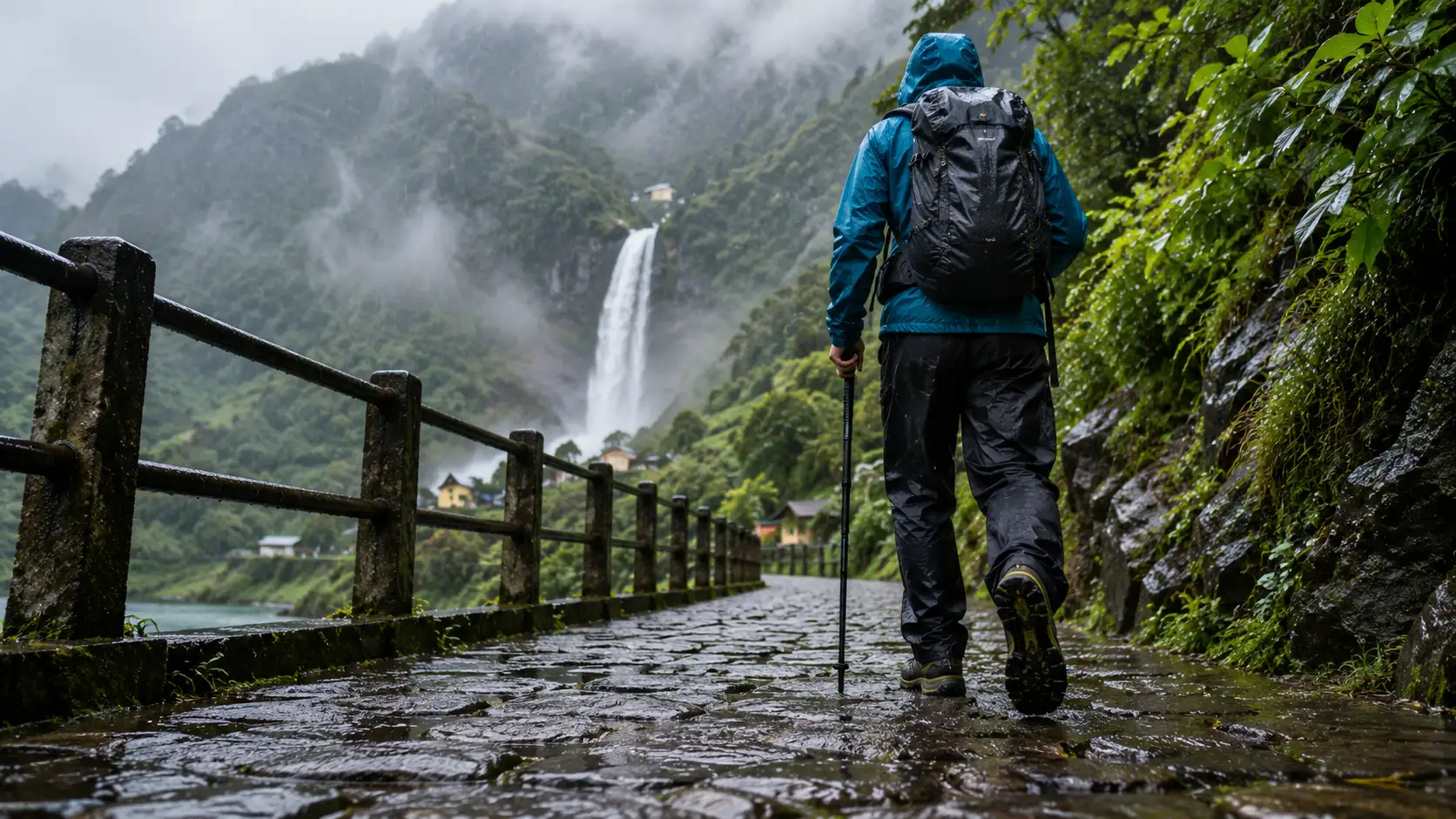
A single slip or fall can quickly spoil a well-planned holiday, resulting in painful bruises or ruined equipment. Fortunately, with a few smart precautions, you can navigate wet destinations with complete confidence. Here is how to travel during monsoon season without falling and keep your balance wherever your wanderlust takes you.
By choosing the right gear and adopting a mindful walking pace, you can enjoy the stunning beauty of the rainy season without worrying about unexpected slips or injuries.
A single slip or fall can quickly spoil a well-planned holiday, resulting in painful bruises or ruined equipment. Fortunately, with a few smart precautions, you can navigate wet destinations with complete confidence. Here is how to travel during monsoon season without falling and keep your balance wherever your wanderlust takes you.
1. Invest in Footwear with Superior Rubber Grip
Your choice of shoes is your very first line of defence against treacherous, wet surfaces. Smooth-soled trainers, stylish leather boots, and flat sandals become extremely dangerous when walking across wet tiles, mossy stone steps, or muddy trekking trails.You may also like
- Psychology says people who keep returning to Goa, Himachal, Kerala or same destination are not boring; it has everything to do with the human brain
- Batwara 1947 Dialogues: Sunny Deol's Powerful Dialogues Wins Hearts
- Lack of Sleep Can Affect Children's Health: Here's How to Build a Better Sleep Routine
- Gen-Z Slang Goes Mainstream: What Do 'Clocked It', 'Delulu', 'FOMO', and 'MIA' Mean?
- Sawan 2026: Easy Homemade Sweets to Offer Lord Shiva
- Look for deep tread patterns: Choose waterproof hiking shoes or sturdy sandals designed with deep rubber grooves (lugs) that channel water away from the sole.
- Select soft rubber compounds: Shoes made from soft, sticky rubber offer far superior traction on slick granite, wet wooden boardwalks, and damp city pavements compared to hard plastic soles.
- Ensure a secure fit: Avoid loose flip-flops, as your foot can easily slide around inside a wet shoe, causing you to lose your balance. Opt for footwear with supportive ankle or foot straps instead.
2. Master the "Monsoon Stride" and Maintain Awareness
When walking on wet, unpredictable terrain, altering your walking technique can significantly lower your risk of taking a tumble.- Shorten your steps: Taking smaller, deliberate steps keeps your centre of gravity directly over your feet, drastically reducing the chances of a foot sliding out from under you.
- Walk flat-footed: Instead of digging in with your heel first, try landing more flat-footed on uncertain or moss-covered ground to maximize contact between your shoe sole and the surface.
- Scan three steps ahead: Keep a watchful eye on the path directly in front of you. Steer clear of smooth metal manhole covers, painted road markings, wet marble, and dark patches of algae, as all of these become as slick as ice when wet.
3. Gear Up for Better Stability
Utilising supportive equipment can make a world of difference when negotiating tricky trails or rain-soaked stairs.- Use trekking poles : If you are hiking along hilly routes or countryside trails, lightweight trekking poles provide two additional points of contact with the ground, dramatically improving your balance on steep downhills.
- Keep your hands free: Avoid carrying heavy bags or umbrella handles in both hands. Wearing a waterproof backpack keeps your hands completely free, allowing you to react quickly, grab handrails, or catch yourself if you wobble.
4. Steer Clear of Unknown Waterlogged Hazards
While stepping into a puddle might seem harmless, murky water can hide serious hazards beneath the surface. Hidden potholes, missing drain covers, loose cobblestones, and slippery mud layers are frequently concealed by standing rainwater. Stick to well-paved elevated pathways whenever possible, and always use stair handrails when moving between levels.By choosing the right gear and adopting a mindful walking pace, you can enjoy the stunning beauty of the rainy season without worrying about unexpected slips or injuries.






Loving Newspoint? Download the app now
