
Storing Onions with Potatoes? This Common Kitchen Mistake Can Make Both Spoil Faster

Many people store onions and potatoes together because both are everyday kitchen essentials that seem to have similar storage requirements. However, storing onions with potatoes is one of the most common kitchen mistakes that can reduce the shelf life of both ingredients. While these two vegetables are often paired in recipes, they need completely different storage conditions to stay fresh for longer.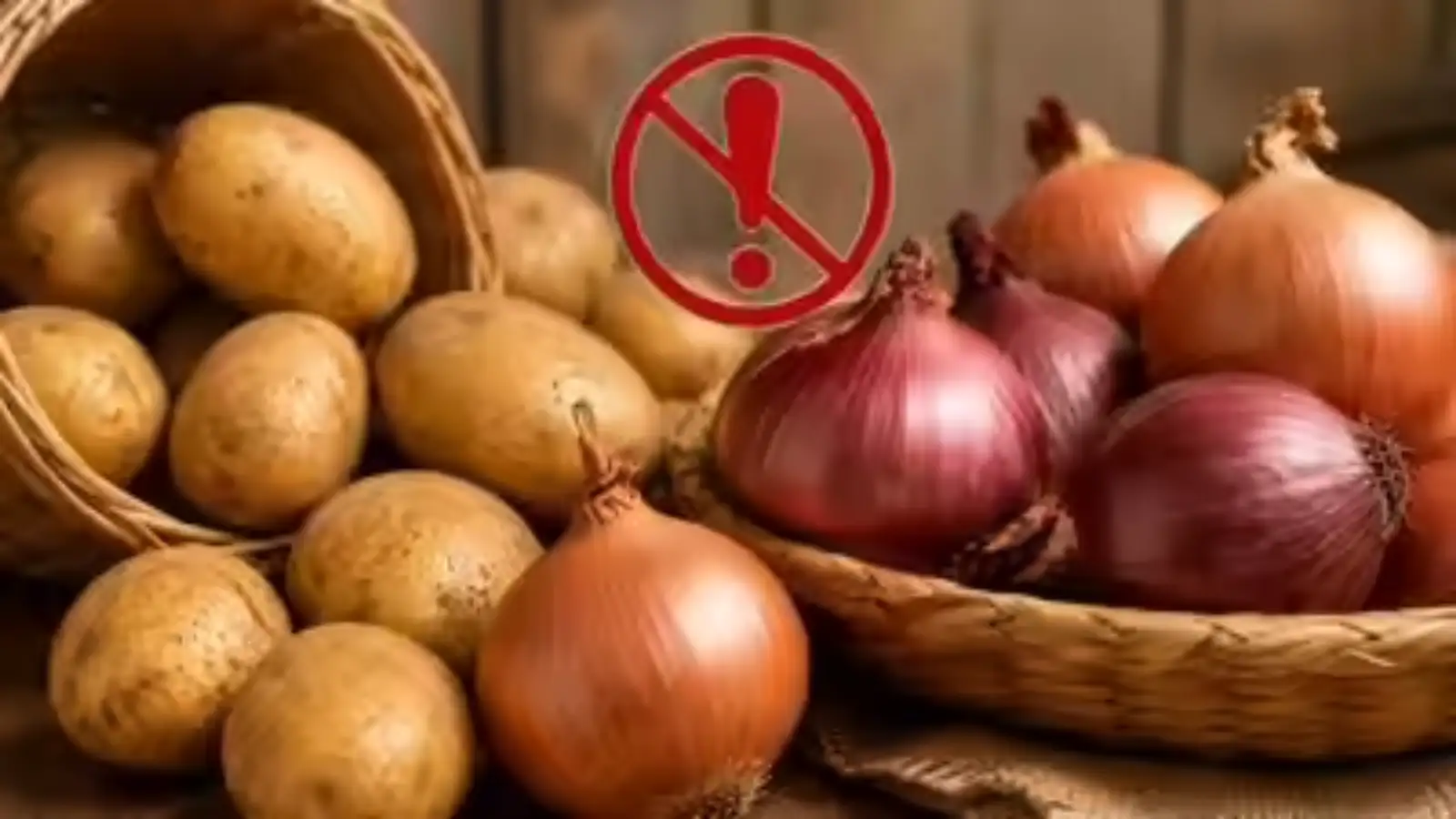
The reason behind this is not just about temperature or space-saving habits but the natural behaviour of these crops after harvesting. Potatoes continue to react to their surroundings, while onions go through a curing process that helps them stay dry and last longer. When stored together, the moisture, gases and environmental needs of one can negatively affect the other, leading to faster spoilage, sprouting and mould growth.
Why You Should Not Store Onions and Potatoes Together
Although onions and potatoes are a perfect combination in cooking, they are not ideal storage partners. Keeping them in the same basket or container can cause both foods to deteriorate faster.
One major reason is that onions naturally release ethylene gas during the ageing process. Ethylene is a plant hormone that affects the ripening and ageing of nearby produce. When onions are stored close to potatoes in a poorly ventilated area, this gas can encourage potatoes to sprout earlier than expected.
Moisture is another important factor. Potatoes generally prefer slightly more humid conditions, while onions need a dry environment to maintain their texture and prevent mould. When kept together, the storage conditions may become unsuitable for both.
Over time, potatoes can also absorb the strong aroma of onions, affecting their natural taste. Meanwhile, the moisture released by potatoes can make onions softer and more vulnerable to fungal growth.
How Potatoes Should Be Stored to Stay Fresh Longer
Potatoes may look inactive after being harvested, but they are still living tubers that respond to their surroundings. Proper storage can help prevent sprouting, greening and spoilage.
Potatoes stay fresh when stored in a cool, dark and well-ventilated place. The ideal temperature for potato storage is around 45–50°F (7–10°C). Exposure to light can cause potatoes to develop green patches on their skin due to chlorophyll formation, which can affect their quality.
Temperature control is equally important. Keeping potatoes in the refrigerator is not recommended because cold conditions can change the starches inside them into sugars. This can alter their flavour and may affect how they cook.
For better results, store potatoes in:
Avoid airtight plastic bags, as trapped moisture can speed up rotting. It is also important to regularly check stored potatoes and remove any damaged or rotten ones, as one spoiled potato can quickly affect others nearby.
Why Onions Need a Different Storage Environment
Unlike potatoes, onions are prepared for long-term storage through a process known as curing. During curing, excess moisture is removed from the outer layers, creating a protective layer that helps onions remain fresh for months.
For onions to maintain their quality, they need a cool, dark and dry place with good air circulation. Too much moisture can soften onions, encourage mould and reduce their storage life.
The best storage options for onions include:
Plastic bags should be avoided because they trap moisture and prevent proper airflow.
The type of onion also affects how long it lasts. Strong, pungent onions usually stay fresh for longer because their natural sulphur compounds help protect them during storage. Sweet onions contain more moisture and generally have a shorter shelf life, so they should be used sooner.
Best Ways to Store Potatoes and Onions Separately
Keeping potatoes and onions apart is one of the easiest ways to extend their freshness. Both ingredients can last for weeks or even months when stored under the right conditions.
Potato Storage Tips
Onion Storage Tips
Simple Kitchen Habits That Can Reduce Food Waste
Proper food storage does not require expensive containers or complicated methods. Small changes, such as keeping potatoes and onions in separate locations, can significantly improve their shelf life and reduce unnecessary food waste.
While they may share the same recipes, these two kitchen staples have different biological needs. Understanding those differences helps maintain their freshness, preserve flavour and prevent avoidable spoilage. A little extra attention to storage can ensure your onions stay crisp and your potatoes remain fresh for much longer.
The reason behind this is not just about temperature or space-saving habits but the natural behaviour of these crops after harvesting. Potatoes continue to react to their surroundings, while onions go through a curing process that helps them stay dry and last longer. When stored together, the moisture, gases and environmental needs of one can negatively affect the other, leading to faster spoilage, sprouting and mould growth.
Why You Should Not Store Onions and Potatoes Together
Although onions and potatoes are a perfect combination in cooking, they are not ideal storage partners. Keeping them in the same basket or container can cause both foods to deteriorate faster.
One major reason is that onions naturally release ethylene gas during the ageing process. Ethylene is a plant hormone that affects the ripening and ageing of nearby produce. When onions are stored close to potatoes in a poorly ventilated area, this gas can encourage potatoes to sprout earlier than expected.
Moisture is another important factor. Potatoes generally prefer slightly more humid conditions, while onions need a dry environment to maintain their texture and prevent mould. When kept together, the storage conditions may become unsuitable for both.
Over time, potatoes can also absorb the strong aroma of onions, affecting their natural taste. Meanwhile, the moisture released by potatoes can make onions softer and more vulnerable to fungal growth.
How Potatoes Should Be Stored to Stay Fresh Longer
Potatoes may look inactive after being harvested, but they are still living tubers that respond to their surroundings. Proper storage can help prevent sprouting, greening and spoilage.
Potatoes stay fresh when stored in a cool, dark and well-ventilated place. The ideal temperature for potato storage is around 45–50°F (7–10°C). Exposure to light can cause potatoes to develop green patches on their skin due to chlorophyll formation, which can affect their quality.
Temperature control is equally important. Keeping potatoes in the refrigerator is not recommended because cold conditions can change the starches inside them into sugars. This can alter their flavour and may affect how they cook.
You may also like
- Kidney stone symptoms: Don't ignore persistent back pain; learn about these 8 symptoms of kidney stones
- What parents can learn from Kylian Mbappé's journey from a football-mad kid to a global superstar
- Madonna's greatest reinvention is looking back
- White Vinegar Can Make Old Towels Feel Softer Again, and Most People Never Think to Try It
- Five minutes of lemon steam does what scrubbing a microwave can't
For better results, store potatoes in:
- Paper bags that allow airflow
- Open baskets or crates
- Ventilated storage containers
Avoid airtight plastic bags, as trapped moisture can speed up rotting. It is also important to regularly check stored potatoes and remove any damaged or rotten ones, as one spoiled potato can quickly affect others nearby.
Why Onions Need a Different Storage Environment
Unlike potatoes, onions are prepared for long-term storage through a process known as curing. During curing, excess moisture is removed from the outer layers, creating a protective layer that helps onions remain fresh for months.
For onions to maintain their quality, they need a cool, dark and dry place with good air circulation. Too much moisture can soften onions, encourage mould and reduce their storage life.
The best storage options for onions include:
- Mesh bags
- Wire baskets
- Open containers with ventilation
Plastic bags should be avoided because they trap moisture and prevent proper airflow.
The type of onion also affects how long it lasts. Strong, pungent onions usually stay fresh for longer because their natural sulphur compounds help protect them during storage. Sweet onions contain more moisture and generally have a shorter shelf life, so they should be used sooner.
Best Ways to Store Potatoes and Onions Separately
Keeping potatoes and onions apart is one of the easiest ways to extend their freshness. Both ingredients can last for weeks or even months when stored under the right conditions.
Potato Storage Tips
- Keep potatoes in a cool place with temperatures between 7–10°C.
- Store them away from sunlight to prevent green patches.
- Choose containers that allow air circulation.
- Avoid refrigeration.
- Keep them away from onions, garlic and fruits that release ripening gases.
- Remove sprouted, bruised or damaged potatoes regularly.
Onion Storage Tips
- Store onions in a dry, dark and cool area.
- Use breathable containers like mesh bags or baskets.
- Avoid sealed plastic packaging.
- Keep onions away from potatoes.
- Store them away from fruits that release ethylene gas.
- Use sweet onions faster as they spoil more quickly.
Simple Kitchen Habits That Can Reduce Food Waste
Proper food storage does not require expensive containers or complicated methods. Small changes, such as keeping potatoes and onions in separate locations, can significantly improve their shelf life and reduce unnecessary food waste.
While they may share the same recipes, these two kitchen staples have different biological needs. Understanding those differences helps maintain their freshness, preserve flavour and prevent avoidable spoilage. A little extra attention to storage can ensure your onions stay crisp and your potatoes remain fresh for much longer.






Loving Newspoint? Download the app now
