
Is Street Food Safe In Rainy Season? Here’s What You Need To Know

The monsoon season brings cooler weather, fresh rains and an undeniable craving for hot, spicy street food. From crispy fritters to tangy chaats, roadside snacks become even more appealing when it is raining outside.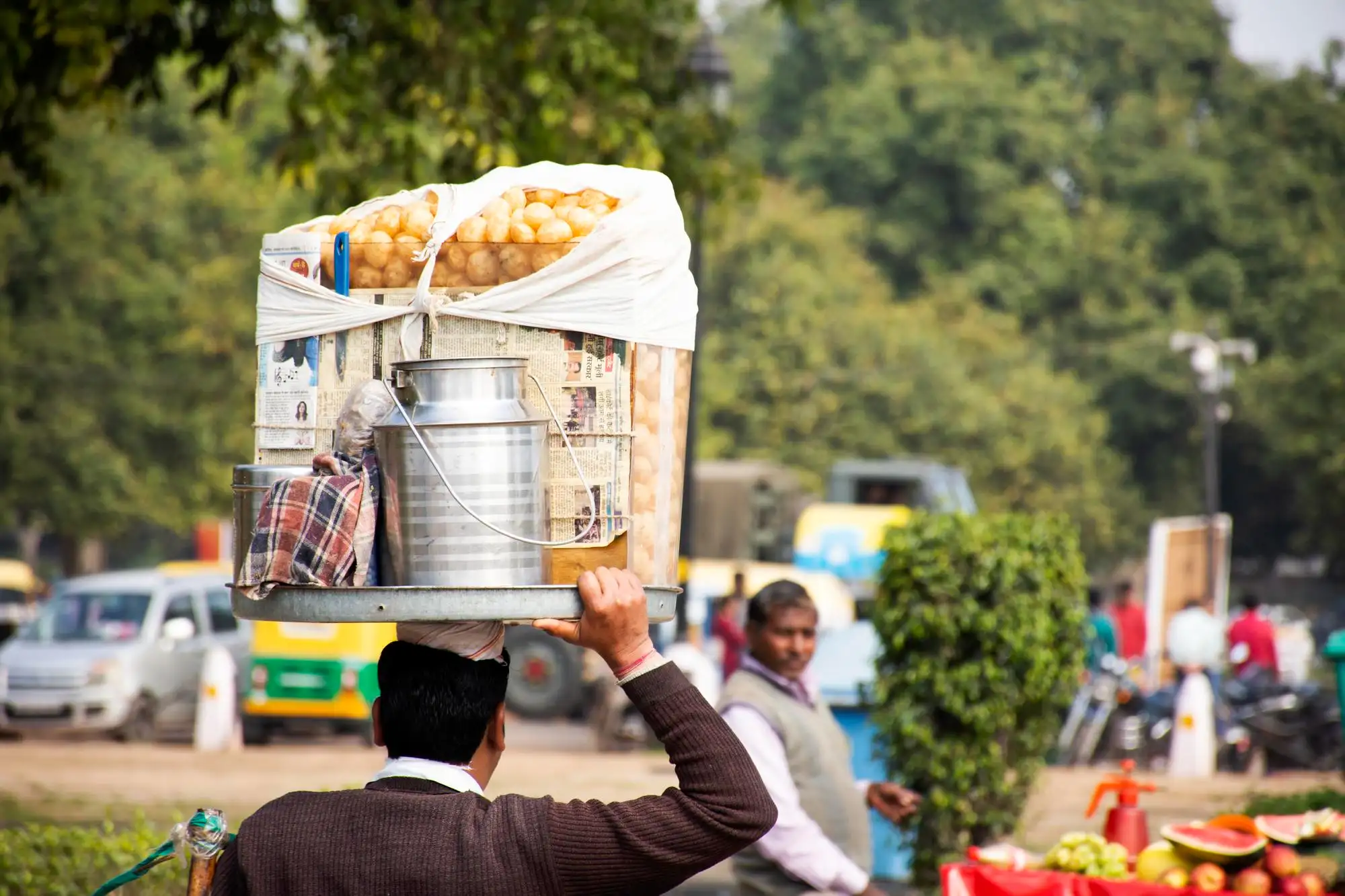
However, this is also the time when food hygiene becomes more important than ever. Moisture, stagnant water and high humidity can increase the chances of bacterial growth and contamination in street food.
Knowing what to eat and what to avoid can help you enjoy the season without compromising your health.
Water used in preparation may also not always be safe, which increases the risk of stomach infections and waterborne diseases.
Also Read: 7 Cosy Monsoon Beverages To Sip Beyond Ginger Tea
Cut fruits sold on the roadside
Pre-cut fruits may be exposed to dust, flies and unclean water.
Raw salads and sprouts
These are often washed in untreated water and kept open for long periods.
Pani puri or golgappa water-based snacks
If hygiene is questionable, the water used in these snacks can be a major source of infection.
Uncovered chutneys and sauces
Chutneys left open for long hours may attract insects and bacteria.
Dairy-based street desserts
Items like kulfi or milk-based sweets can spoil quickly in humid conditions if not stored properly.
Also Read: 8 Delicious Beetroot Recipes to Enjoy This Monsoon for Better Health and Taste
Hot pakoras and bhajiyas
Deep-fried snacks served piping hot are generally safer as high temperatures reduce bacterial risk.
Roasted corn on the cob
Corn roasted over open flame is a popular monsoon snack and is usually safe when prepared fresh.
Freshly made momos or steamed dumplings
When cooked properly and served hot, these can be a relatively safer option.
Grilled sandwiches or toasted snacks
Items that are cooked thoroughly at high heat are less likely to carry harmful bacteria.
Paying attention to freshness and preparation methods can significantly reduce the risk of illness.
With a bit of awareness, you can still savour the joy of rainy-day street food while keeping your health protected.
However, this is also the time when food hygiene becomes more important than ever. Moisture, stagnant water and high humidity can increase the chances of bacterial growth and contamination in street food.
Knowing what to eat and what to avoid can help you enjoy the season without compromising your health.
Why Monsoon Increases Food Risks
During the rainy season, food spoils faster due to high humidity. Fresh ingredients like cut fruits, chutneys and salads are more likely to get contaminated if they are exposed to open environments.Water used in preparation may also not always be safe, which increases the risk of stomach infections and waterborne diseases.
Also Read: 7 Cosy Monsoon Beverages To Sip Beyond Ginger Tea
Foods You Should Avoid During Monsoon
Some street foods are best avoided during this season due to higher contamination risk.Cut fruits sold on the roadside
Pre-cut fruits may be exposed to dust, flies and unclean water.
Raw salads and sprouts
These are often washed in untreated water and kept open for long periods.
Pani puri or golgappa water-based snacks
If hygiene is questionable, the water used in these snacks can be a major source of infection.
Uncovered chutneys and sauces
Chutneys left open for long hours may attract insects and bacteria.
Dairy-based street desserts
Items like kulfi or milk-based sweets can spoil quickly in humid conditions if not stored properly.
Also Read: 8 Delicious Beetroot Recipes to Enjoy This Monsoon for Better Health and Taste
Street Foods That Are Generally Safer
While caution is important, you do not have to avoid street food completely. Freshly cooked, hot items are usually safer to consume.You may also like
- Nirjala Ekadashi 2026: Significance, Date, and Auspicious Timings
- Understanding the Spiritual Importance of Touching Temple Steps
- Essential Vastu Shastra Tips for Your New Home
- Understanding Nirjala Ekadashi: A Guide to Observing the Sacred Fast
- Children who grow into resilient adults usually experience these 5 things at home
Hot pakoras and bhajiyas
Deep-fried snacks served piping hot are generally safer as high temperatures reduce bacterial risk.
Roasted corn on the cob
Corn roasted over open flame is a popular monsoon snack and is usually safe when prepared fresh.
Freshly made momos or steamed dumplings
When cooked properly and served hot, these can be a relatively safer option.
Grilled sandwiches or toasted snacks
Items that are cooked thoroughly at high heat are less likely to carry harmful bacteria.
Simple Safety Tips While Eating Street Food
A few precautions can help you enjoy street food safely during the monsoon:- Choose vendors who prepare food fresh in front of you
- Prefer hot and freshly cooked items over raw or cold snacks
- Avoid eating in areas with stagnant water or poor cleanliness
- Carry bottled or filtered water instead of drinking tap water
- Observe basic hygiene before choosing a food stall
Listen to Your Body
Everyone reacts differently to street food during the rainy season. If you notice any discomfort after eating outside food, it is better to avoid similar items for a while.Paying attention to freshness and preparation methods can significantly reduce the risk of illness.
Enjoy the Monsoon Mindfully
Monsoon is a beautiful time to enjoy warm, comforting street food, but it also demands a little extra caution. Choosing freshly cooked snacks and avoiding raw or exposed items can help you enjoy the season without worry.With a bit of awareness, you can still savour the joy of rainy-day street food while keeping your health protected.






More from our partners


Loving Newspoint? Download the app now
