
Modern Desserts Are Getting Healthier Thanks To Sugar Alternatives

Desserts are no longer just about indulgence. Across India, consumers are increasingly looking for treats that deliver great taste while supporting healthier eating habits. From boutique cafés in Mumbai to home kitchens in Delhi, the demand for healthy desserts and low sugar desserts is steadily growing.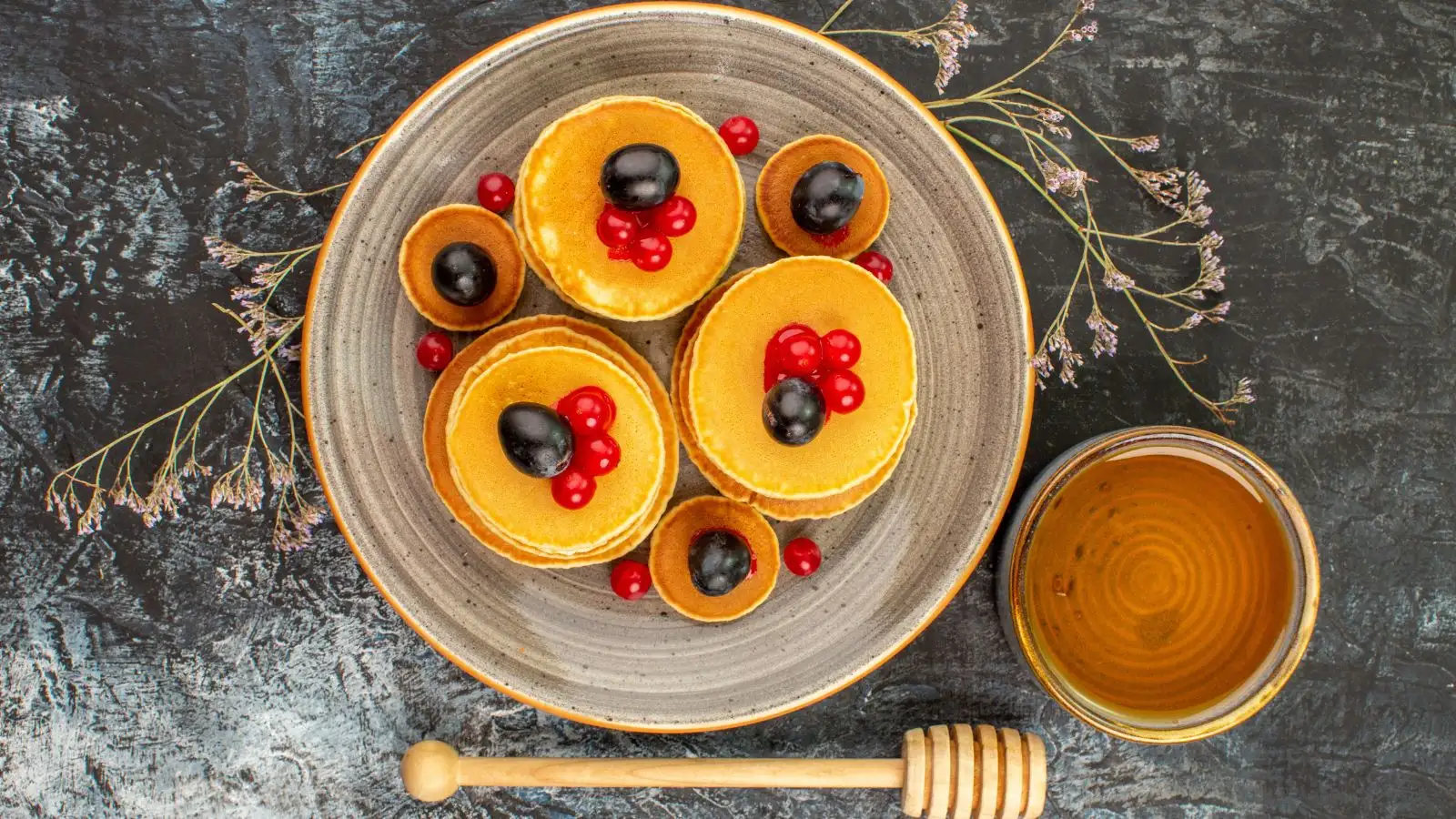
This shift has encouraged chefs, bakers and food brands to rethink traditional recipes. Instead of relying entirely on refined sugar, many are experimenting with sugar alternatives that provide sweetness with fewer calories, a lower glycaemic impact and, in some cases, added nutritional value. The result is a new generation of sugar free desserts that are both satisfying and mindful of changing lifestyles.
At the same time, food delivery services and quick commerce platforms have made desserts more accessible than ever. Rather than giving up sweets completely, many people now prefer smarter alternatives that allow them to enjoy dessert without excessive refined sugar.
This trend is particularly popular among millennials and Gen Z, who value both wellness and convenience.
Also Read: What Happens to Your Body If You Eat Protein Bars Every Day?
However, replacing sugar is not simply about making desserts sweet. Sugar also contributes to texture, moisture, structure and the rich golden colour that develops during baking. This means chefs often need to carefully adjust recipes to achieve the same flavour and consistency.
Stevia is commonly used in beverages, puddings, mousses and low-calorie baked goods. Some people notice a slight liquorice-like aftertaste, so it is often blended with other sweeteners to create a smoother flavour.
It is frequently combined with erythritol to improve texture and make baking easier. Many bakeries now use monk fruit sweetener in cheesecakes, cookies and premium desserts that appeal to health-conscious customers.
Its lower glycaemic index and trace minerals such as potassium and iron have made it increasingly popular in cakes, brownies, granola and modern fusion desserts.
Dates naturally add sweetness while providing fibre and are commonly used in laddoos, energy bites and raw desserts. Jaggery offers a rich caramel-like flavour and remains a favourite in traditional sweets such as halwa and chikki. Today, chefs are also incorporating jaggery into contemporary desserts to create a balance between heritage and innovation.
They are widely used in cakes, muffins, pancakes and dessert sauces. Since these sweeteners contain additional moisture, bakers often adjust other ingredients to maintain the desired texture.
Offering low sugar desserts helps businesses:
Different sweeteners vary in sweetness, texture and moisture retention, meaning recipes often require multiple rounds of testing before achieving the desired result. Some sugar alcohols may also cause digestive discomfort if consumed in excess, highlighting the importance of moderation and clear product labelling.
Cost remains another challenge, as premium sugar alternatives are often more expensive than refined sugar.
Rather than eliminating sweetness altogether, modern desserts are evolving to offer enjoyment with greater nutritional awareness. Whether sweetened with stevia, monk fruit sweetener, jaggery or other natural sweeteners, today's desserts prove that making smarter choices does not mean sacrificing flavour.
Disclaimer: This article is intended for general informational purposes only and should not be considered medical or dietary advice. Individual nutritional needs and health conditions may vary. We at NewsPoint are not responsible for any dietary decisions made based on this information. Readers should consult a qualified healthcare professional or nutritionist before making significant changes to their diet.
This shift has encouraged chefs, bakers and food brands to rethink traditional recipes. Instead of relying entirely on refined sugar, many are experimenting with sugar alternatives that provide sweetness with fewer calories, a lower glycaemic impact and, in some cases, added nutritional value. The result is a new generation of sugar free desserts that are both satisfying and mindful of changing lifestyles.
Why Sugar Alternatives Are Becoming Popular
Growing awareness of lifestyle conditions such as diabetes and obesity has encouraged many consumers to pay closer attention to food labels. Terms such as "low sugar", " natural sweeteners " and "no added sugar" have become increasingly attractive to health-conscious buyers.At the same time, food delivery services and quick commerce platforms have made desserts more accessible than ever. Rather than giving up sweets completely, many people now prefer smarter alternatives that allow them to enjoy dessert without excessive refined sugar.
This trend is particularly popular among millennials and Gen Z, who value both wellness and convenience.
Also Read: What Happens to Your Body If You Eat Protein Bars Every Day?
What Are Sugar Alternatives?
Sugar alternatives are ingredients used to replace refined sugar in recipes. They may be naturally derived or specially formulated to deliver sweetness with different nutritional profiles.However, replacing sugar is not simply about making desserts sweet. Sugar also contributes to texture, moisture, structure and the rich golden colour that develops during baking. This means chefs often need to carefully adjust recipes to achieve the same flavour and consistency.
Popular Sugar Alternatives Used in Modern Desserts
Stevia
Derived from the leaves of the stevia plant, stevia is one of the most widely used natural sweeteners. It contains virtually no calories and is significantly sweeter than regular sugar, meaning only a small amount is required.Stevia is commonly used in beverages, puddings, mousses and low-calorie baked goods. Some people notice a slight liquorice-like aftertaste, so it is often blended with other sweeteners to create a smoother flavour.
Monk Fruit Sweetener
Monk fruit sweetener has gained popularity among people looking for naturally sweet ingredients that do not significantly affect blood sugar levels.It is frequently combined with erythritol to improve texture and make baking easier. Many bakeries now use monk fruit sweetener in cheesecakes, cookies and premium desserts that appeal to health-conscious customers.
Coconut Sugar
Coconut sugar has a flavour and texture similar to traditional sugar, making it easy to substitute in many recipes.Its lower glycaemic index and trace minerals such as potassium and iron have made it increasingly popular in cakes, brownies, granola and modern fusion desserts.
Dates and Jaggery
Few ingredients are as deeply rooted in Indian culinary traditions as dates and jaggery.Dates naturally add sweetness while providing fibre and are commonly used in laddoos, energy bites and raw desserts. Jaggery offers a rich caramel-like flavour and remains a favourite in traditional sweets such as halwa and chikki. Today, chefs are also incorporating jaggery into contemporary desserts to create a balance between heritage and innovation.
Honey and Maple Syrup
Liquid natural sweeteners like honey and maple syrup contribute both sweetness and distinctive flavour.They are widely used in cakes, muffins, pancakes and dessert sauces. Since these sweeteners contain additional moisture, bakers often adjust other ingredients to maintain the desired texture.
Why Restaurants Are Embracing Healthier Desserts
Restaurants, cafés and dessert brands are rapidly expanding their range of healthy desserts to meet changing customer preferences.You may also like
- SIP vs SSY: Where to invest for your daughter's future? Here is the full calculation for a ₹2,000 monthly investment.
- Innovative Mehendi Designs Inspired by Iconic Art Styles
- EPFO Transfers Interest to 34 Crore Accounts; Check If You've Received It – Here's the Process
- Psychology says nail biting is more than a bad habit, and the reason people do it may surprise you
- IIT Hyderabad Placements: 100% placement in two departments; students secure packages up to ₹90 lakh
Offering low sugar desserts helps businesses:
- Appeal to health-conscious diners.
- Attract customers with specific dietary preferences.
- Differentiate themselves in a competitive market.
- Introduce innovative flavours and ingredients.
Challenges of Replacing Sugar
Creating excellent sugar free desserts is not always straightforward.Different sweeteners vary in sweetness, texture and moisture retention, meaning recipes often require multiple rounds of testing before achieving the desired result. Some sugar alcohols may also cause digestive discomfort if consumed in excess, highlighting the importance of moderation and clear product labelling.
Cost remains another challenge, as premium sugar alternatives are often more expensive than refined sugar.
A Sweeter Future with Smarter Choices
The future of desserts is becoming more balanced than ever. As sugar alternatives become increasingly accessible, chefs continue to experiment with innovative ingredients, better flavour combinations and healthier baking techniques.Rather than eliminating sweetness altogether, modern desserts are evolving to offer enjoyment with greater nutritional awareness. Whether sweetened with stevia, monk fruit sweetener, jaggery or other natural sweeteners, today's desserts prove that making smarter choices does not mean sacrificing flavour.
Disclaimer: This article is intended for general informational purposes only and should not be considered medical or dietary advice. Individual nutritional needs and health conditions may vary. We at NewsPoint are not responsible for any dietary decisions made based on this information. Readers should consult a qualified healthcare professional or nutritionist before making significant changes to their diet.






Loving Newspoint? Download the app now
