
Is Slow Entertainment Replacing Endless Streaming? The Rise of Intentional Media

For the past decade, digital entertainment has been defined by speed, abundance, and instant gratification. Streaming platforms revolutionized how we consume media by dropping entire television seasons overnight, while algorithms fed us a continuous stream of short-form videos designed to keep our thumbs scrolling. However, a subtle yet profound cultural shift is taking place. A growing number of audiences are experiencing digital burnout and asking an important question: Is slow entertainment replacing endless streaming as our primary way to unwind?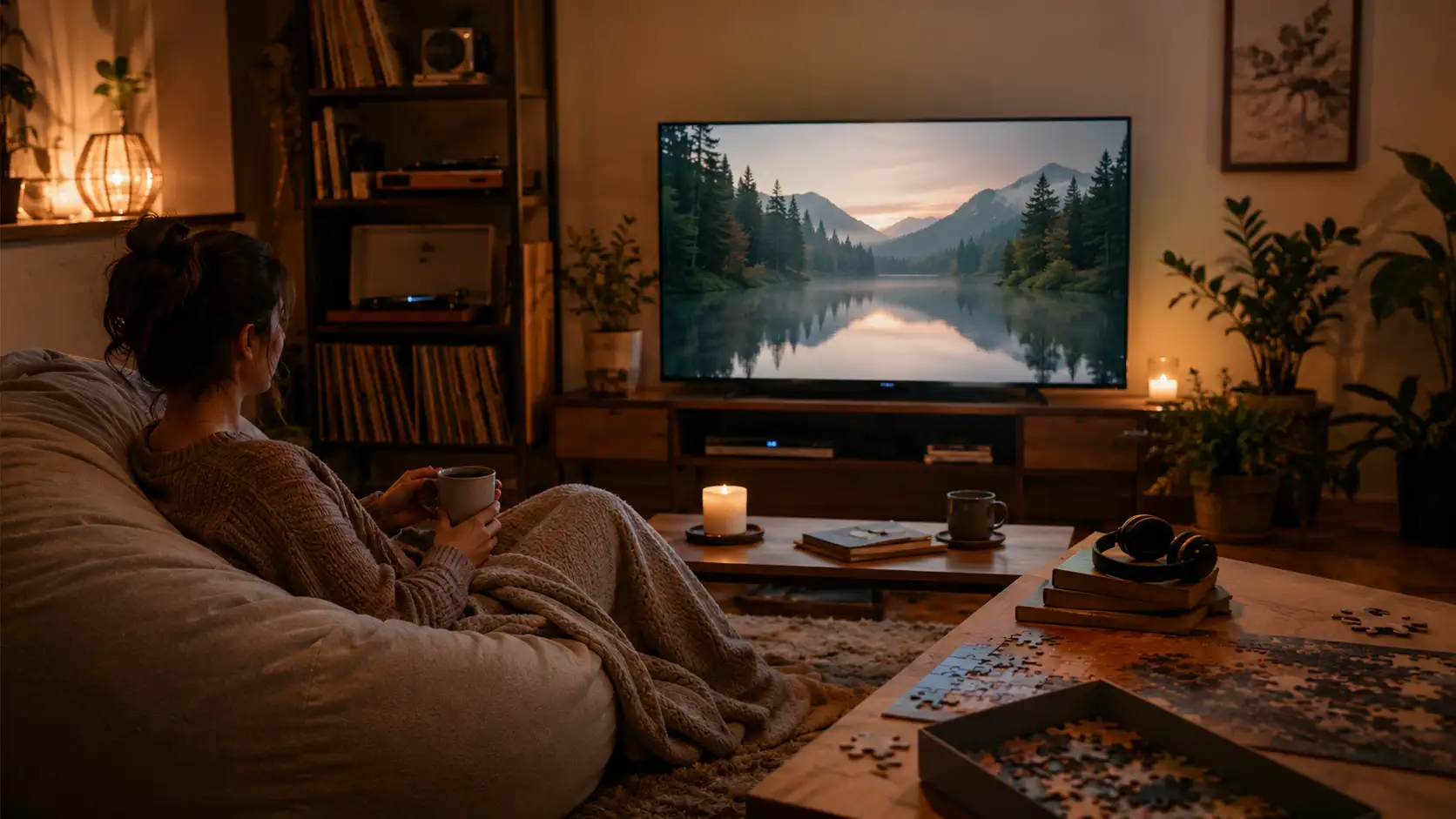
Instead of mindlessly scrolling through endless menus filled with thousands of titles, viewers are intentionally seeking out media experiences that demand patience, presence, and focused attention. From physical media collections and weekly release schedules to ambient broadcasts and tactile offline hobbies, slow entertainment is rapidly emerging as a powerful antidote to modern digital fatigue .
Furthermore, algorithms engineered to maximize screen time have turned leisure into a passive, mechanical habit rather than a rewarding experience. Slow entertainment rejects these constant demands on our attention. By stepping away from hyper-stimulating feeds, audiences are reclaiming control over their free time and restoring their mental clarity.
Ultimately, slow entertainment is replacing endless streaming not as a total replacement, but as a necessary balance in our hyper-connected lives. By trading algorithmic noise for intentional viewing, modern audiences are rediscovering the quiet joy of truly paying attention.
Instead of mindlessly scrolling through endless menus filled with thousands of titles, viewers are intentionally seeking out media experiences that demand patience, presence, and focused attention. From physical media collections and weekly release schedules to ambient broadcasts and tactile offline hobbies, slow entertainment is rapidly emerging as a powerful antidote to modern digital fatigue .
The Rise of Digital Fatigue and Decision Overload
The main catalyst driving this trend is simple exhaustion. While endless streaming promises unlimited choice, it often results in severe decision paralysis. Spending half an hour browsing through subscription catalogues only to settle on a show you half-watch while staring at your smartphone is no longer fulfilling.You may also like
- Vastu Shastra: Remove these things from your house during the month of Shravan, they bring negativity. Click here to know more
- Flipkart follows in Zomato and Swiggy's footsteps! May launch food delivery service from August 15..
- Male Fertility After 35: What Changes to Expect
- Field trips enhance learning: Bridging classroom theory with real-world application and student engagement
- Before the 24th installment of the PM Kisan Yojana, farmers will get a gift of ₹3.15 lakh crore..
Furthermore, algorithms engineered to maximize screen time have turned leisure into a passive, mechanical habit rather than a rewarding experience. Slow entertainment rejects these constant demands on our attention. By stepping away from hyper-stimulating feeds, audiences are reclaiming control over their free time and restoring their mental clarity.
What Does Slow Entertainment Look Like?
Slow entertainment does not mean abandoning technology altogether; rather, it represents a deliberate shift in how we engage with content:- The Revival of Physical Media: DVD, Blu-ray, and vinyl record sales have experienced a significant resurgence. Selecting a physical disc, placing it in a player, and watching a film from start to finish introduces a comforting ritual that ephemeral streaming subscriptions lack.
- Weekly Episode Drops: Major production houses are increasingly moving away from the binge-model, releasing episodes on a traditional weekly schedule. This slow-drip approach builds anticipation, creates room for reflection, and fosters collective online discussions over several weeks.
- Ambient and Long-Form Viewing: Slow television such as multi-hour uncut broadcasts of train journeys, fireplace logs, or calm nature walks has attracted millions of viewers. These tranquil visuals provide relaxation without forcing viewers into a high-stakes dramatic narrative.
- Analog Hobbies: Reading physical books, assembling jigsaws, playing tabletop board games, and listening to full audio albums without skipping tracks are replacing late-night screen time.
Quality Over Quantity: The Future of Media Consumption
This movement is forcing entertainment producers to reconsider their content strategies. Audiences are signaling that they value depth over volume. Instead of consuming dozens of forgettable shows each month, viewers prefer single, well-crafted stories that stay with them long after the credits roll.Ultimately, slow entertainment is replacing endless streaming not as a total replacement, but as a necessary balance in our hyper-connected lives. By trading algorithmic noise for intentional viewing, modern audiences are rediscovering the quiet joy of truly paying attention.






Loving Newspoint? Download the app now
