
The Heart of the Community: How Cafes, Libraries, and Parks Build Social Belonging in Modern Cities

In sociology, human life is traditionally divided across two primary environments: the "first place" (home) and the "second place" (the workplace or school). However, sociologists have long argued that healthy communities depend heavily on a crucial anchor, the "third place." These are accessible, low-cost or free public spaces where people gather to relax, converse, and connect outside of family and employment responsibilities. Looking closely at urban design reveals the vital role of Third Places in Modern Cities The importance of local cafes, libraries, and parks for social belonging .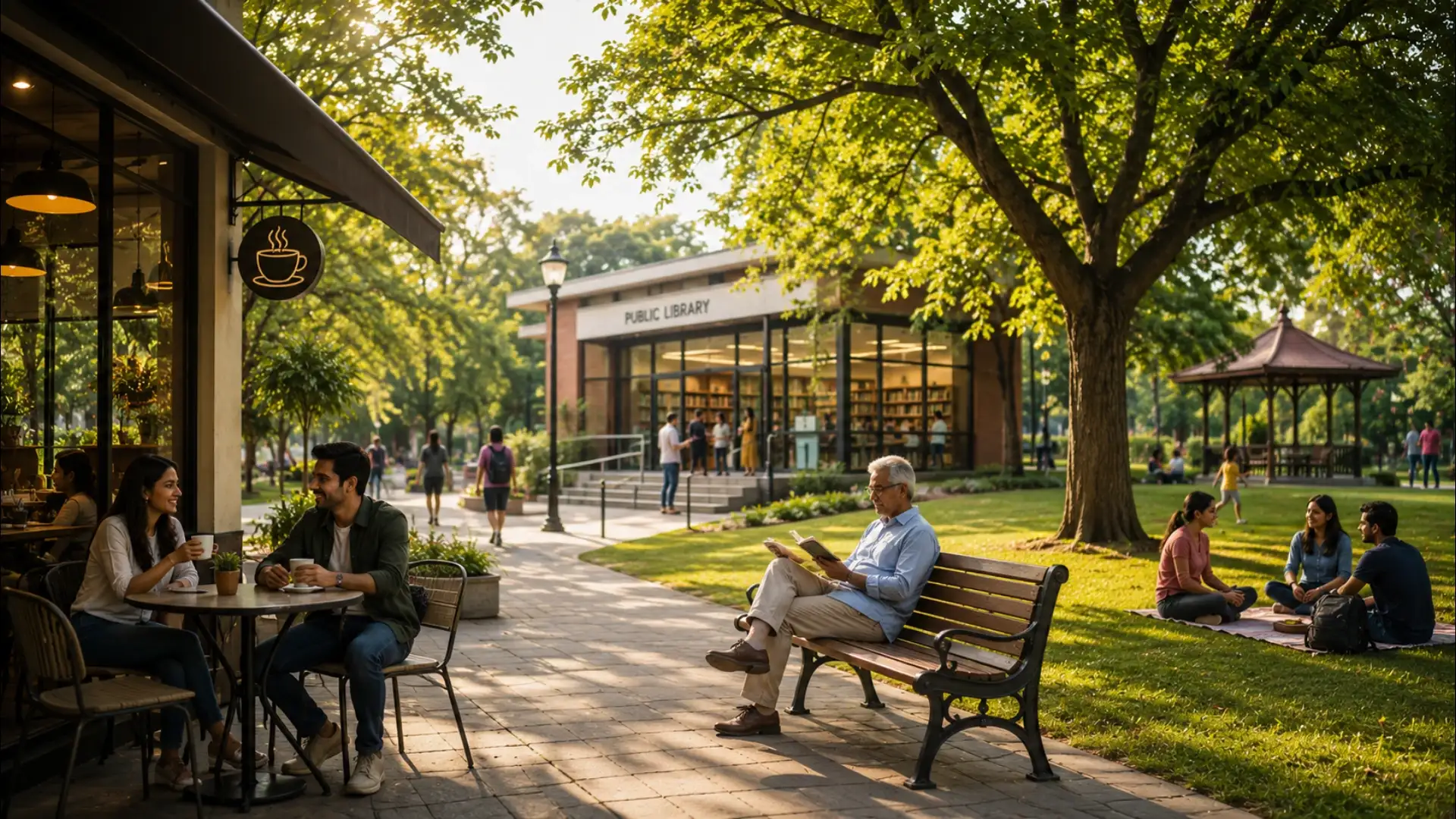
As modern life grows increasingly digital, high-density, and isolated, these neutral public spaces act as the glue holding urban neighbourhoods together.
Regular visits to a local coffee shop foster small daily connections, from a warm welcome at the counter and a quick chat with a neighbour to a shared smile over a pet. These low-stakes social exchanges may seem minor, but psychological studies show they significantly reduce feelings of urban loneliness and strengthen our sense of neighbourhood safety and familiarity.
From toddler storytime groups that connect young parents to digital literacy classes for elderly residents, libraries bridge generational and social divides. By providing free access to knowledge and shelter, these institutions reinforce civic pride and ensure that nobody in a modern city feels left behind or excluded.
More importantly, public parks act as democratic meeting grounds. On any given weekend, a single park hosts families having picnics, dog walkers chatting along footpaths, joggers, and elderly residents enjoying the afternoon sunshine. Shared outdoor spaces break down social barriers, encouraging diverse groups of people to coexist harmoniously in a relaxing, natural setting.
Investing in and protecting public gathering spots is essential for mental health. The true value of third places in modern cities from local cafes to libraries and parks lies in their unique ability to foster social belonging and transform isolated individuals into a supportive, resilient community.
As modern life grows increasingly digital, high-density, and isolated, these neutral public spaces act as the glue holding urban neighbourhoods together.
1. Local Cafes: Casual Sanctuaries for Everyday Human Interaction
Independent coffee shops and neighbourhood eateries serve as far more than mere stops for a quick morning caffeine fix. They function as informal community living rooms. Unlike formal dining establishments or private clubs, local cafes welcome anyone to sit, read, work, or simply watch the world go by for the price of a hot cup of tea.Regular visits to a local coffee shop foster small daily connections, from a warm welcome at the counter and a quick chat with a neighbour to a shared smile over a pet. These low-stakes social exchanges may seem minor, but psychological studies show they significantly reduce feelings of urban loneliness and strengthen our sense of neighbourhood safety and familiarity.
2. Public Libraries : Democratic Spaces of Free Access and Learning
In an era where almost every urban experience comes with a price tag, public libraries remain rare sanctuaries of pure, unconditional inclusion. Libraries have evolved far beyond quiet book repositories; they are bustling community hubs that offer warmth, free high-speed internet, educational workshops, and quiet study areas to every resident, regardless of socio-economic background.You may also like
- Major Change in US Visa Rules: Application Will Be Rejected If Even One Document Is Missing
- EPFO: A major gift in August—access stuck funds in a jiffy via the e-Praapti Portal
- Solar Eclipse : When will this year's second solar eclipse occur, August 11 or 12? Will the Sutak period be observed in India?
- Can a D&C Cause a Thin Endometrium? Signs, Recovery and Pregnancy Chances
- Simple ways prevent waterborne diseases in monsoons
From toddler storytime groups that connect young parents to digital literacy classes for elderly residents, libraries bridge generational and social divides. By providing free access to knowledge and shelter, these institutions reinforce civic pride and ensure that nobody in a modern city feels left behind or excluded.
3. Parks and Green Spaces: Restorative Common Ground
Urban parks , public gardens, and green plazas offer vital breathing room within busy concrete environments. Stepping into a park allows city dwellers to reconnect with nature, engage in physical exercise, and clear their minds after long days indoors.More importantly, public parks act as democratic meeting grounds. On any given weekend, a single park hosts families having picnics, dog walkers chatting along footpaths, joggers, and elderly residents enjoying the afternoon sunshine. Shared outdoor spaces break down social barriers, encouraging diverse groups of people to coexist harmoniously in a relaxing, natural setting.
4. Protecting Community Spaces for Mental Well-Being and Social Belonging
Urban developers and city planners increasingly recognise that building high-density flats and commercial offices without preserving accessible third places leads to widespread social fragmentation. When local spaces disappear due to rising rent costs or commercial redevelopment, residents lose their opportunities for spontaneous social interaction.Investing in and protecting public gathering spots is essential for mental health. The true value of third places in modern cities from local cafes to libraries and parks lies in their unique ability to foster social belonging and transform isolated individuals into a supportive, resilient community.
Nurturing the Heart of Our Neighbourhoods
Modern cities are defined by far more than their skylines, transport networks, and commercial centers. Their true value lies in how effectively they foster genuine human connections. By supporting your local cafe, spending time in public libraries, and enjoying neighbourhood parks, you help preserve the essential spaces that make urban living warm, inclusive, and deeply fulfilling.





Loving Newspoint? Download the app now
