
What Is The English Name Of Raat Ki Rani? Everything You Need To Know

Have you ever stepped into a garden after sunset and been greeted by a rich, sweet fragrance floating through the air? Chances are, you have encountered the famous Raat Ki Rani flower . Known for its enchanting scent and mysterious night-time blooming habit, this plant has earned a special place in gardens across India and beyond.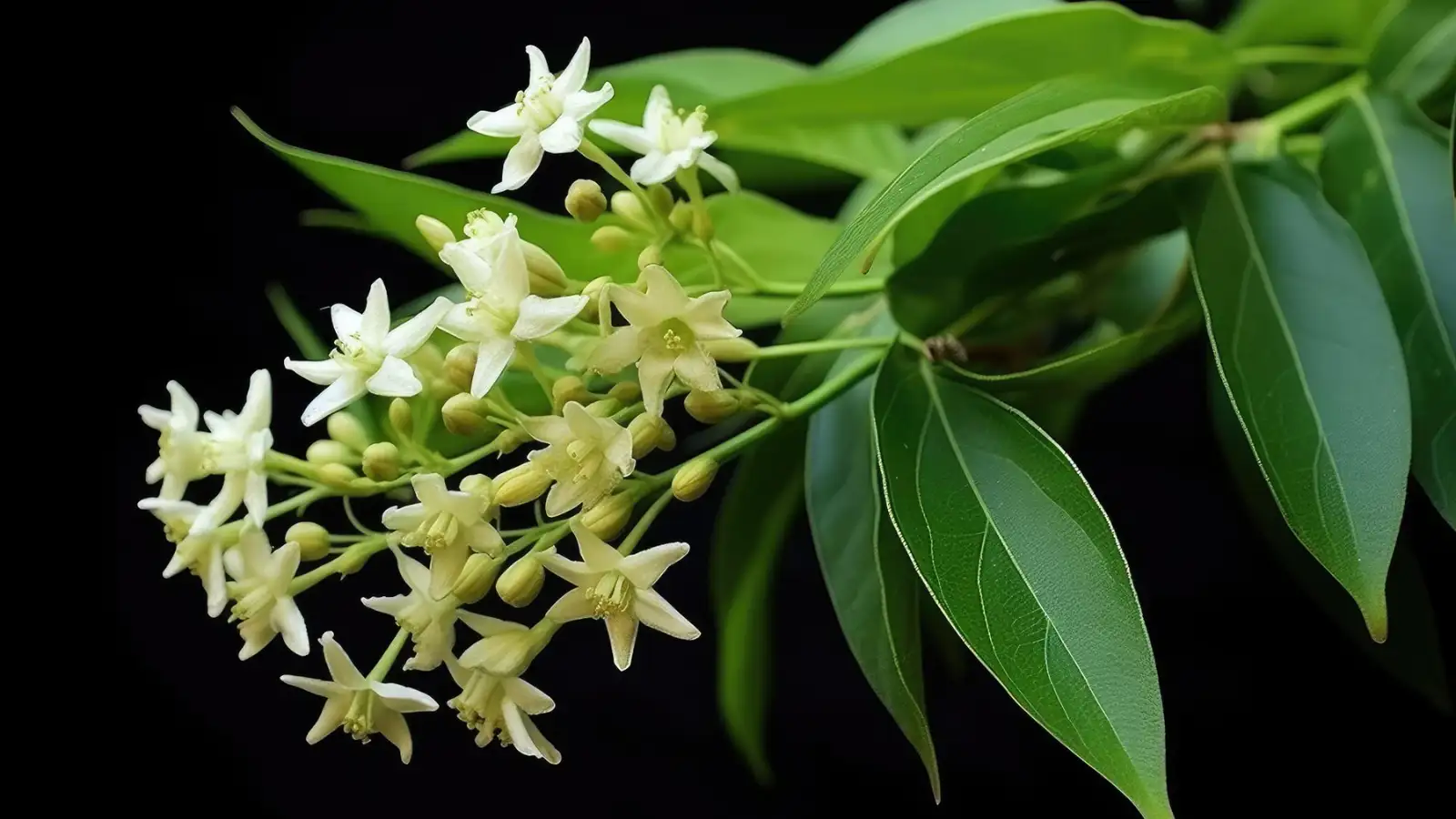
But did you know that despite its popular name, Raat Ki Rani is not actually a jasmine plant? Let's uncover its English name, origin, and some fascinating facts about this fragrant wonder.
Its scientific name is Cestrum nocturnum . Although the word "jasmine" appears in its common name, the plant is not related to true jasmine species. Instead, it belongs to the Solanaceae family, commonly known as the nightshade family, which also includes potatoes, tomatoes, and chillies.
Today, the Raat Ki Rani flower is widely cultivated in India, where its highly fragrant blooms are used in gardens, perfumes, and essential oils. Its popularity stems from its ability to perfume entire outdoor spaces with its sweet scent during the evening hours.
Also Read: 5 Indoor Plants That Keep Your Home Cool Naturally This Summer
The fragrance becomes especially strong during the late evening, often after 8 PM. This powerful aroma helps attract night-flying pollinators such as moths, which play a crucial role in the plant's reproduction.
Because of this unique characteristic, the plant is often referred to as the Queen of the Night, a direct translation of its Hindi name, Raat Ki Rani.
Birds are attracted to its small white berries and help disperse the seeds, contributing to its fast spread.
True jasmine belongs to the Oleaceae family, whereas Raat Ki Rani (Cestrum nocturnum) belongs to the Solanaceae family. The confusion exists because both plants produce highly fragrant flowers. However, they differ significantly in appearance, botanical classification, and growth habits.
The next time someone asks, "What is Raat Ki Rani called in English?", you'll know the answer: Night-Blooming Jasmine. Despite its name, it is not a true jasmine but a fascinating member of the nightshade family. With its intoxicating fragrance, night-time blooms, and intriguing origins, this plant truly lives up to its title as the Queen of the Night.
But did you know that despite its popular name, Raat Ki Rani is not actually a jasmine plant? Let's uncover its English name, origin, and some fascinating facts about this fragrant wonder.
What Is Raat Ki Rani Called in English?
The English name for Raat Ki Rani is Night-Blooming Jasmine. It is also commonly known as Lady of the Night and Night-Blooming Jessamine.Its scientific name is Cestrum nocturnum . Although the word "jasmine" appears in its common name, the plant is not related to true jasmine species. Instead, it belongs to the Solanaceae family, commonly known as the nightshade family, which also includes potatoes, tomatoes, and chillies.
Origin of Night-Blooming Jasmine
The Night-Blooming Jasmine plant originated in the tropical regions of Mexico, Central America, and the Caribbean. Over time, it spread to many warm and subtropical regions around the world.Today, the Raat Ki Rani flower is widely cultivated in India, where its highly fragrant blooms are used in gardens, perfumes, and essential oils. Its popularity stems from its ability to perfume entire outdoor spaces with its sweet scent during the evening hours.
Also Read: 5 Indoor Plants That Keep Your Home Cool Naturally This Summer
Why Is Raat Ki Rani So Fragrant at Night?
One of the most remarkable features of the Night-Blooming Jasmine is its blooming schedule. The tiny greenish-white flowers remain closed throughout the day and begin opening after sunset.The fragrance becomes especially strong during the late evening, often after 8 PM. This powerful aroma helps attract night-flying pollinators such as moths, which play a crucial role in the plant's reproduction.
Because of this unique characteristic, the plant is often referred to as the Queen of the Night, a direct translation of its Hindi name, Raat Ki Rani.
Interesting Facts About Raat Ki Rani Flower
1. It Is Not a True Jasmine
Despite being called Night-Blooming Jasmine, the plant is not part of the jasmine family. It belongs to the nightshade family, making it more closely related to potatoes and tomatoes.2. Every Part of the Plant Is Toxic
The leaves, stems, and especially the small white berries can be poisonous if consumed. Pet owners and parents should exercise caution when growing the plant.3. It Blooms Only After Dark
The flowers remain closed and largely scentless during daylight hours. Their famous fragrance is released only after sunset.4. Moonlight Helps Pollination
The pale greenish-white flowers appear almost luminous under moonlight, helping nocturnal insects locate them more easily.5. It Can Grow Into a Large Shrub
If left untrimmed, Cestrum nocturnum can reach heights of up to 12 feet, making it a substantial ornamental shrub.Is Raat Ki Rani an Invasive Plant?
While highly admired for its fragrance, Night-Blooming Jasmine can grow aggressively in certain climates. In countries such as Australia and parts of Florida, it is considered an invasive species because it spreads rapidly and can outcompete native vegetation.Birds are attracted to its small white berries and help disperse the seeds, contributing to its fast spread.
Are Raat Ki Rani and Jasmine the Same?
No, Raat Ki Rani and jasmine are not the same plant.True jasmine belongs to the Oleaceae family, whereas Raat Ki Rani (Cestrum nocturnum) belongs to the Solanaceae family. The confusion exists because both plants produce highly fragrant flowers. However, they differ significantly in appearance, botanical classification, and growth habits.
The next time someone asks, "What is Raat Ki Rani called in English?", you'll know the answer: Night-Blooming Jasmine. Despite its name, it is not a true jasmine but a fascinating member of the nightshade family. With its intoxicating fragrance, night-time blooms, and intriguing origins, this plant truly lives up to its title as the Queen of the Night.
Next Story