
What Is the English Name for Pani Puri? History, Regional Names & Fascinating Facts You Should Know

Pani Puri in English is a question often asked by food lovers and travellers who come across India’s most beloved street snack. From busy lanes in Mumbai to global Indian restaurants, pani puri has gained worldwide popularity, yet many still wonder what it is called in English and why it has no exact translation. Simply put, it is a crispy, flavour-packed street food that defies translation.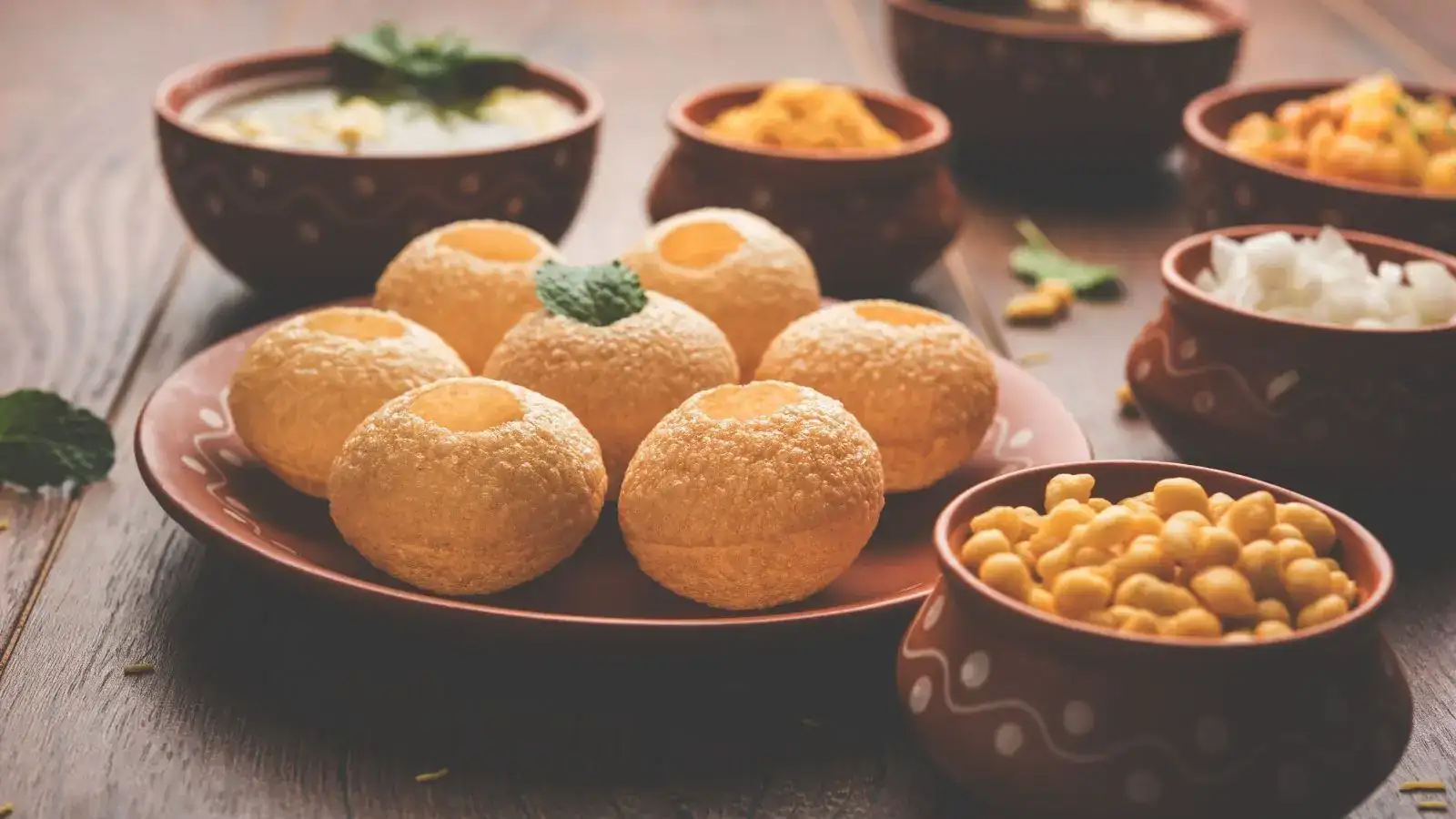
Pani Puri in English: What Is It Actually Called?
There is no single official English name for pani puri. Instead, it is usually described in different ways such as:
However, in real usage, the term “pani puri” itself is widely accepted in English, just like sushi, pizza or taco. Global food culture has made the original name universal.
Why Pani Puri Has No Direct English Translation
Unlike common foods such as bread or cake, pani puri is deeply rooted in Indian street food culture. Experts say that when a dish becomes culturally iconic, its original name travels with it instead of being translated.
That is why restaurants in countries like the USA, UK, Canada and Australia proudly use the term pani puri on their menus. The name itself carries identity, tradition and flavour.
The Fascinating Origins of Pani Puri
The history of pani puri is a mix of mythology and historical belief.
One popular legend links it to the epic Mahabharata. According to folklore, Draupadi was once challenged by Kunti to prepare a filling meal with limited ingredients. She is said to have created a small, crispy snack using leftover dough and fillings - believed by some to be an early version of pani puri. Impressed by her creativity, Kunti is said to have blessed it to remain forever.
While this story is mythical, food historians suggest a more practical origin. Many believe pani puri evolved in the ancient Magadha region (present-day Bihar) and gradually spread across India in different forms.
Different Names of Pani Puri Across India
One of the most interesting aspects of this snack is that it changes name depending on the region:
Golgappa – Delhi, Punjab, Haryana, Uttar Pradesh
Puchka – West Bengal, Assam, parts of Bihar
Gupchup – Odisha, Jharkhand, Chhattisgarh
Pani Puri – Maharashtra, Gujarat and western India
Pakodi – Some parts of Madhya Pradesh
Despite the different names, the experience remains the same - crispy shells filled with spicy, tangy flavoured water.
Why Pani Puri Is Loved by Foreign Tourists
International travellers often describe pani puri as a “burst of flavours in one bite.” What makes it unique is its combination of multiple tastes:
The real magic lies in the moment the puri is eaten - when the flavoured water bursts inside the mouth, creating a surprise flavour explosion that people never forget.
Pani Puri in Global Food Culture
Today, pani puri is no longer limited to Indian streets. It has entered international fine dining and fusion cuisine. Chefs across the world have experimented with creative versions such as:
Despite these modern twists, the traditional street-style pani puri remains the most loved.
Whether you call it pani puri, golgappa, puchka or gupchup, this iconic snack represents India’s rich street food culture. Pani Puri in English may not have a perfect translation, but its global popularity proves that some foods are too unique to be defined in just one language.
Pani Puri in English: What Is It Actually Called?
There is no single official English name for pani puri. Instead, it is usually described in different ways such as:
- Crispy hollow fried dough balls filled with spiced water
- Water-filled crunchy snack
- Stuffed semolina shells with flavoured water
- Indian street-style snack
However, in real usage, the term “pani puri” itself is widely accepted in English, just like sushi, pizza or taco. Global food culture has made the original name universal.
Why Pani Puri Has No Direct English Translation
Unlike common foods such as bread or cake, pani puri is deeply rooted in Indian street food culture. Experts say that when a dish becomes culturally iconic, its original name travels with it instead of being translated.
That is why restaurants in countries like the USA, UK, Canada and Australia proudly use the term pani puri on their menus. The name itself carries identity, tradition and flavour.
The Fascinating Origins of Pani Puri
The history of pani puri is a mix of mythology and historical belief.
One popular legend links it to the epic Mahabharata. According to folklore, Draupadi was once challenged by Kunti to prepare a filling meal with limited ingredients. She is said to have created a small, crispy snack using leftover dough and fillings - believed by some to be an early version of pani puri. Impressed by her creativity, Kunti is said to have blessed it to remain forever.
While this story is mythical, food historians suggest a more practical origin. Many believe pani puri evolved in the ancient Magadha region (present-day Bihar) and gradually spread across India in different forms.
Different Names of Pani Puri Across India
One of the most interesting aspects of this snack is that it changes name depending on the region:
Golgappa – Delhi, Punjab, Haryana, Uttar Pradesh
Puchka – West Bengal, Assam, parts of Bihar
Gupchup – Odisha, Jharkhand, Chhattisgarh
Pani Puri – Maharashtra, Gujarat and western India
Pakodi – Some parts of Madhya Pradesh
Despite the different names, the experience remains the same - crispy shells filled with spicy, tangy flavoured water.
Why Pani Puri Is Loved by Foreign Tourists
International travellers often describe pani puri as a “burst of flavours in one bite.” What makes it unique is its combination of multiple tastes:
- Spicy
- Tangy
- Sweet
- Sour
- Crunchy texture
The real magic lies in the moment the puri is eaten - when the flavoured water bursts inside the mouth, creating a surprise flavour explosion that people never forget.
Pani Puri in Global Food Culture
Today, pani puri is no longer limited to Indian streets. It has entered international fine dining and fusion cuisine. Chefs across the world have experimented with creative versions such as:
- Avocado-stuffed pani puri
- Chocolate dessert pani puri
- Mexican-style fusion fillings
- Gourmet plated versions in luxury restaurants
Despite these modern twists, the traditional street-style pani puri remains the most loved.
Whether you call it pani puri, golgappa, puchka or gupchup, this iconic snack represents India’s rich street food culture. Pani Puri in English may not have a perfect translation, but its global popularity proves that some foods are too unique to be defined in just one language.
Next Story