
Which Country Is The Largest Exporter Of Jamun? India Tops The List

Jamun, also known as Java plum , Indian blackberry or Syzygium cumini, is one of the most popular tropical fruits grown in South Asia. Known for its deep purple colour and sweet-tart flavour, jamun is widely enjoyed fresh and is also used to prepare juices, jams, syrups, vinegar and herbal products.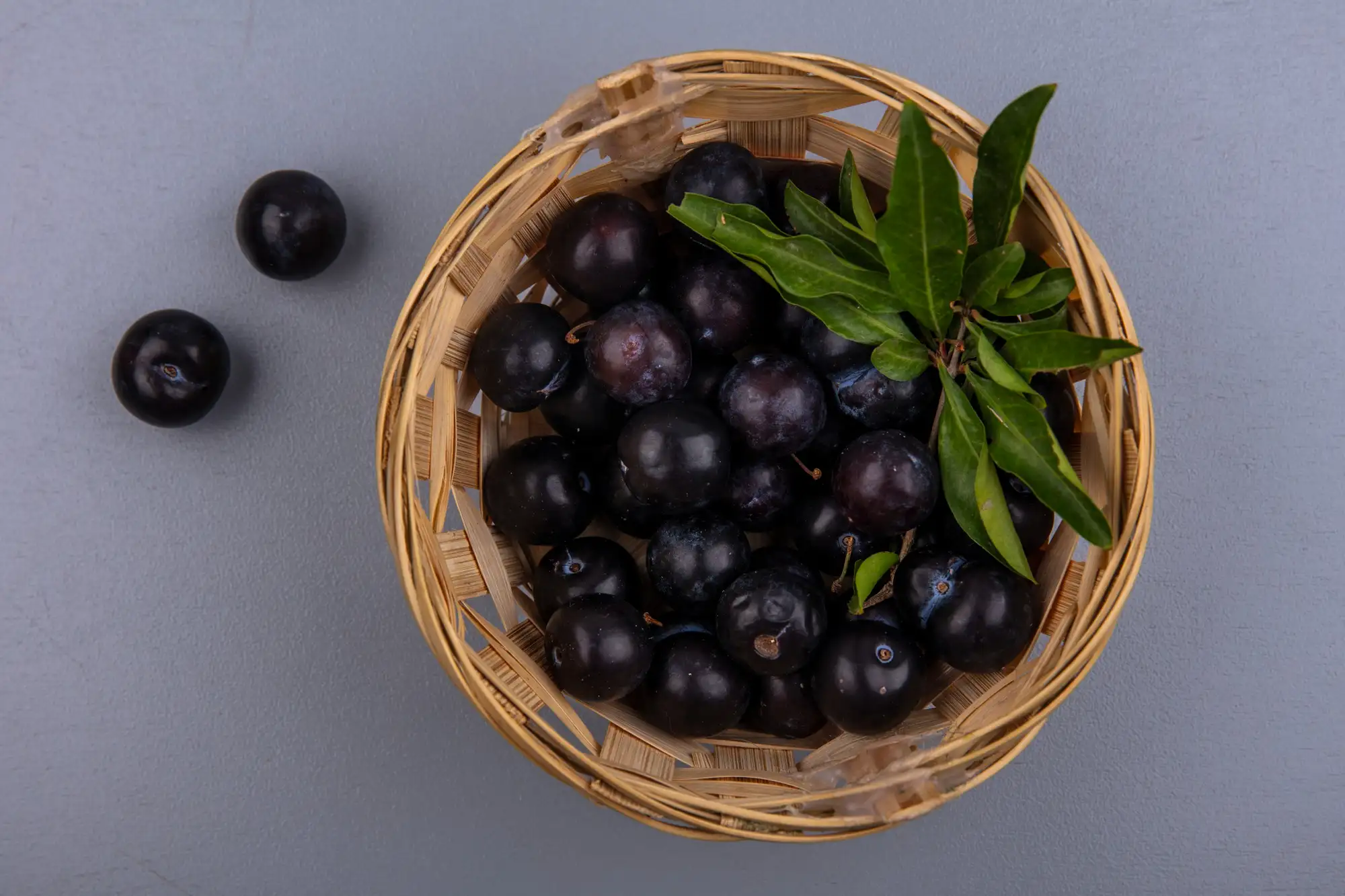
When it comes to the largest exporter of jamun , India stands at the top. The country is also the world's leading producer, thanks to its favourable climate, extensive cultivation and growing international demand.
Although Java plum is also cultivated in countries such as Thailand, Malaysia, Sri Lanka, Bangladesh and Indonesia, India's large-scale cultivation and established export network keep it ahead in the global market.
Also Read: Why Jamun Is Becoming One of the World's Most Underrated Superfruits
The country's tropical climate supports healthy growth, while both cultivated orchards and naturally growing trees ensure abundant production. In addition to fresh fruit, jamun is processed into value-added products such as juice, squash, jam, vinegar and frozen pulp, which have a longer shelf life and are increasingly popular in international markets.
Jamun seeds are also processed into powder and other herbal products, making the fruit commercially valuable beyond its seasonal harvest.
Some of the major importing nations include:
Other important jamun production in India centres include Maharashtra, Gujarat, Tamil Nadu, Karnataka, Bihar, Madhya Pradesh and Telangana. Together, these states contribute significantly to India's leadership in global production and exports.
Also Read: Jamun Season: 5 Foods to Avoid After Eating Jamun for Better Digestion
When it comes to the largest exporter of jamun , India stands at the top. The country is also the world's leading producer, thanks to its favourable climate, extensive cultivation and growing international demand.
India Is the Largest Exporter of Jamun
India has earned its position as the largest exporter of jamun due to its vast production and ideal growing conditions. The fruit thrives across many Indian states and is exported to several international markets every year.Although Java plum is also cultivated in countries such as Thailand, Malaysia, Sri Lanka, Bangladesh and Indonesia, India's large-scale cultivation and established export network keep it ahead in the global market.
Also Read: Why Jamun Is Becoming One of the World's Most Underrated Superfruits
Why India Dominates Jamun Exports
Several factors contribute to the success of India jamun exports .The country's tropical climate supports healthy growth, while both cultivated orchards and naturally growing trees ensure abundant production. In addition to fresh fruit, jamun is processed into value-added products such as juice, squash, jam, vinegar and frozen pulp, which have a longer shelf life and are increasingly popular in international markets.
Jamun seeds are also processed into powder and other herbal products, making the fruit commercially valuable beyond its seasonal harvest.
Countries That Import Indian Jamun
Indian jamun is exported to a wide range of countries across different continents.You may also like
- Beyond just loans, public sector banks are reaping huge profits from selling insurance; SBI leads the pack.
- IRCTC's New Website Launches Today: 5x Faster Ticket Booking and New Features
- 'Filmmaking is a highly collaborative process. You shine if your colleagues do', Rasika Dugal gets nostalgic on her return to FTII
- You must file an ITR even if your income is low! Do not ignore this—here are 7 essential rules you need to know..
- EPS Scheme 2026: Settlement within 20 days, PF withdrawal rules, and higher pension; know what has changed in 6 points..
Some of the major importing nations include:
- United Arab Emirates (UAE)
- Saudi Arabia
- Qatar
- Oman
- Kuwait
- United States
- United Kingdom
- Canada
- Singapore
- Australia
Which State Produces the Most Jamun in India?
Among all Indian states, Uttar Pradesh is recognised as the leading producer of jamun. The fruit is widely cultivated in orchards and also grows naturally across rural and urban landscapes.Other important jamun production in India centres include Maharashtra, Gujarat, Tamil Nadu, Karnataka, Bihar, Madhya Pradesh and Telangana. Together, these states contribute significantly to India's leadership in global production and exports.
Interesting Facts About Jamun
Jamun Turns Your Tongue Purple
One of the most recognisable features of jamun is the purple stain it leaves on the tongue. This happens because the fruit contains natural pigments called anthocyanins, which also give jamun its rich colour.Jamun Trees Can Live for More Than 100 Years
Jamun trees are among the longest-living fruit trees. They can survive for over a century, grow up to 30 metres tall and provide dense shade, making them common along roadsides, parks and village landscapes.Every Part of the Tree Is Valuable
Almost every part of the jamun tree has practical uses. The fruit is consumed fresh or processed into beverages and preserves, while the seeds, leaves and bark have long been used in traditional practices. The fruit is also a source of vitamin C and other beneficial plant compounds.Also Read: Jamun Season: 5 Foods to Avoid After Eating Jamun for Better Digestion
Jamun Has Many Regional Names
Across India and neighbouring countries, jamun is known by several names. Some of the most common include Jambul, Jambolan, Naval, Naaval Pazham, Nerale, Rajaman, Jamli and Jamblang, reflecting its popularity across different regions and languages.A Fruit with Global Demand
From fresh fruit to processed products, jamun continues to gain recognition in international markets. With its rich nutritional profile, versatile uses and growing export demand, India remains the undisputed leader in the global jamun fruit industry, strengthening its position as the world's largest exporter year after year.





Loving Newspoint? Download the app now
