
Why Do Some Plants Look Red Or Purple Instead Of Green?

When we think about plants, the first colour that usually comes to mind is green. From grass and trees to indoor plants, green dominates the natural world because of chlorophyll, the pigment responsible for photosynthesis. However, not all plants follow this pattern. Some plants appear red, purple, yellow, silver, or even nearly black.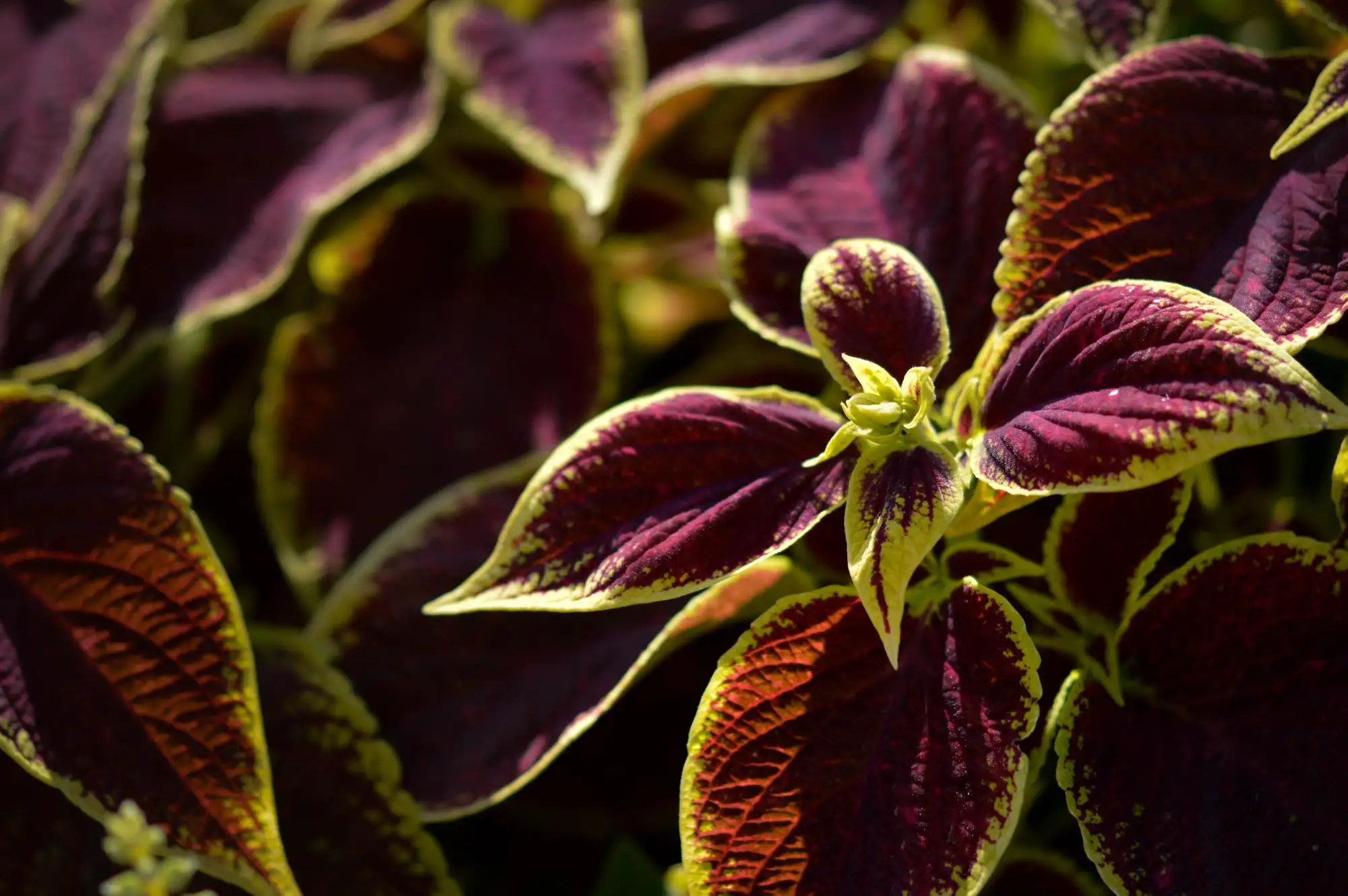
These colourful plants are not unusual mistakes of nature. Their vibrant shades are caused by special pigments and unique adaptations that help them survive in different environments.
Even many colourful plants still contain chlorophyll. It is simply hidden beneath stronger pigments that dominate the leaf surface.
Also Read: Native Plants Can Make Your Garden More Resilient and Eco-Friendly
These colourful plants are not unusual mistakes of nature. Their vibrant shades are caused by special pigments and unique adaptations that help them survive in different environments.
The Role Of Chlorophyll In Plants
Most plants look green because they contain large amounts of chlorophyll. This pigment absorbs sunlight and helps plants convert light energy into food through photosynthesis. Chlorophyll mainly absorbs red and blue light while reflecting green light, which is why our eyes see plants as green.Even many colourful plants still contain chlorophyll. It is simply hidden beneath stronger pigments that dominate the leaf surface.
Also Read: Native Plants Can Make Your Garden More Resilient and Eco-Friendly
Special Pigments Create Different Colours
Plants produce several natural pigments apart from chlorophyll. These pigments create stunning colours and also help protect the plant from environmental stress.Anthocyanins
Anthocyanins are responsible for red, purple, and blue shades in plants. These pigments help protect leaves from excessive sunlight and temperature changes. Plants like purple cabbage, coleus, and some varieties of basil get their rich colours from anthocyanins.Carotenoids
Carotenoids produce yellow, orange, and golden colours in plants. These pigments are also found in carrots and pumpkins. They help absorb sunlight and protect plant cells from damage caused by strong light.Betalains
Some plants contain betalains, which create deep red and pink colours. Beetroot is one of the most common examples of this pigment.Next Story