
5 Reasons Your Coconut Chutney Tastes Bitter And How To Fix It

Fresh coconut chutney is one of the most popular condiments in Indian cuisine. Whether served alongside crispy dosas, soft idlis, fluffy uttapams, or crunchy medu vadas, it adds a delicious balance of creaminess and flavour to every meal. However, there is nothing more disappointing than preparing a batch of homemade coconut chutney only to discover an unpleasant bitter taste.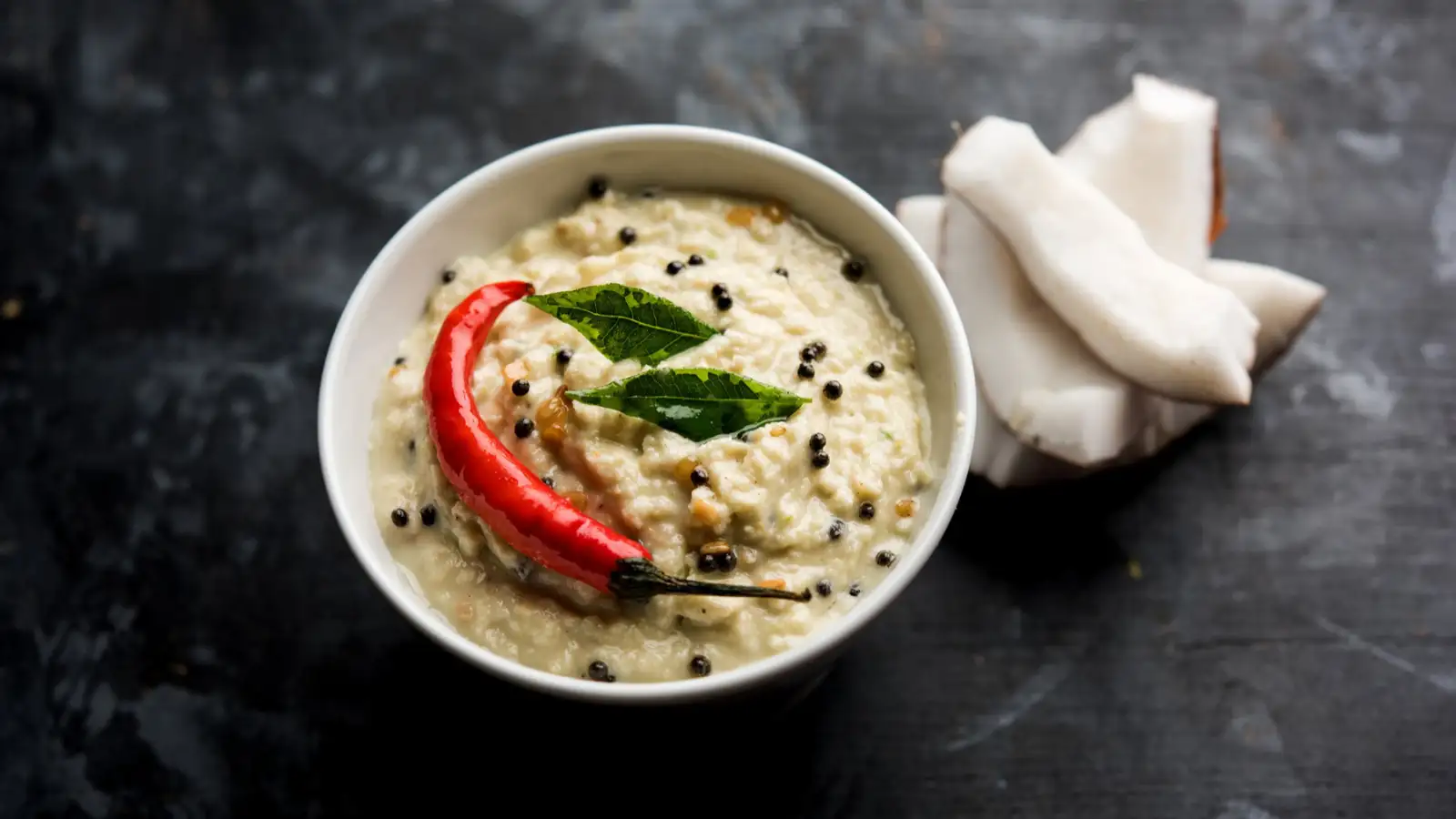
If you've ever wondered why coconut chutney turns bitter, you're not alone. Several factors can affect its taste, from ingredient quality to cooking techniques and storage habits. Fortunately, most of these issues can be corrected with simple adjustments.
Here are the most common reasons behind bitter coconut chutney and easy ways to fix them.
Frozen coconut can also affect flavour if it has been stored for too long.
Also Read: 5 Easy Vegan Recipes Using Coconut Milk
However, even slight burning during tempering can make the entire chutney bitter.
When tamarind overwhelms the coconut, the chutney loses its smooth and balanced taste.
Also Read: Why Coconut Water Became One of the Most Popular Summer Drinks
As it begins to age, bitterness and sourness may develop.
If you've ever struggled with bitter coconut chutney, the solution is often simpler than you think. Fresh ingredients, balanced seasoning, careful tempering, and proper storage can dramatically improve the flavour. By avoiding these common mistakes, you can enjoy smooth, creamy, and perfectly balanced coconut chutney every time you prepare your favourite South Indian dishes.
If you've ever wondered why coconut chutney turns bitter, you're not alone. Several factors can affect its taste, from ingredient quality to cooking techniques and storage habits. Fortunately, most of these issues can be corrected with simple adjustments.
Here are the most common reasons behind bitter coconut chutney and easy ways to fix them.
1. Using Old Or Stale Coconut
The freshness of the coconut plays a crucial role in determining the taste of coconut chutney. Fresh coconut naturally has a mild sweetness and rich flavour. However, as coconut ages, its oils begin to deteriorate, which can create a slightly bitter or unpleasant taste.Frozen coconut can also affect flavour if it has been stored for too long.
How To Fix It
- Always use freshly grated coconut whenever possible.
- Check frozen coconut for freshness before use.
- Avoid coconut that smells sour, rancid, or unusual.
- Store coconut properly in airtight containers.
Also Read: 5 Easy Vegan Recipes Using Coconut Milk
2. Adding Too Many Green Chillies
Green chillies add heat and freshness to coconut chutney, but using excessive quantities can overpower the natural sweetness of coconut. Certain varieties of green chillies can also contribute a sharp, bitter aftertaste.How To Fix It
- Add chillies gradually while blending.
- Taste the chutney before adding more.
- Balance excess heat by adding extra coconut.
3. Burning The Tempering Ingredients
Tempering is what gives South Indian coconut chutney its signature aroma and flavour. Ingredients such as mustard seeds, urad dal, curry leaves, and dried red chillies enhance the taste significantly.However, even slight burning during tempering can make the entire chutney bitter.
How To Fix It
- Use medium heat while preparing the tempering.
- Remove the pan from heat once ingredients turn golden.
- Avoid allowing mustard seeds or dals to become dark brown.
4. Using Too Much Tamarind
Tamarind adds a pleasant tanginess to coconut chutney, but excessive amounts can create a harsh flavour profile that many people perceive as bitterness.When tamarind overwhelms the coconut, the chutney loses its smooth and balanced taste.
You may also like
- Enhancing Home Vibes: The Vastu Benefits of Keeping Goldfish
- Quote of the day by Ram Dass: "The quieter you become, the more you can hear"; wisdom from the Harvard psychologist who found his guru in Neem Karoli Baba
- Refreshing Fruit Custard Recipe for Hot Days
- Delicious Barfi Recipe Using Leftover Ghee Residue
- Major relief for tenants in Bihar: free electricity up to 125 units; find out how to avail the benefits of the electricity subsidy scheme..
How To Fix It
- Use tamarind sparingly.
- Add only a small piece while blending.
- Balance excess tamarind by adding more grated coconut.
Also Read: Why Coconut Water Became One of the Most Popular Summer Drinks
5. Improper Storage
Fresh coconut chutney tastes best immediately after preparation. Because coconut is highly perishable, leaving the chutney at room temperature for extended periods can alter its flavour and freshness.As it begins to age, bitterness and sourness may develop.
How To Fix It
- Serve coconut chutney fresh whenever possible.
- Refrigerate immediately after preparation.
- Consume within 24 hours for the best flavour.
- Store in an airtight container.
Additional Tips For Perfect Coconut Chutney
For consistently delicious results:- Use fresh coconut and fresh curry leaves.
- Blend ingredients until smooth.
- Adjust salt and chillies gradually.
- Prepare fresh tempering just before serving.
- Avoid storing chutney for extended periods.






More from our partners


Loving Newspoint? Download the app now
