
Why Do Hill Stations Often Feel Colder After Sunset Even in Summer?

A sunny afternoon in a hill station can make you forget that you packed a jacket. You may spend hours walking through the market, sitting outdoors or enjoying the mountain views in light clothing. Then sunset arrives, the sunlight fades and the temperature suddenly feels much lower.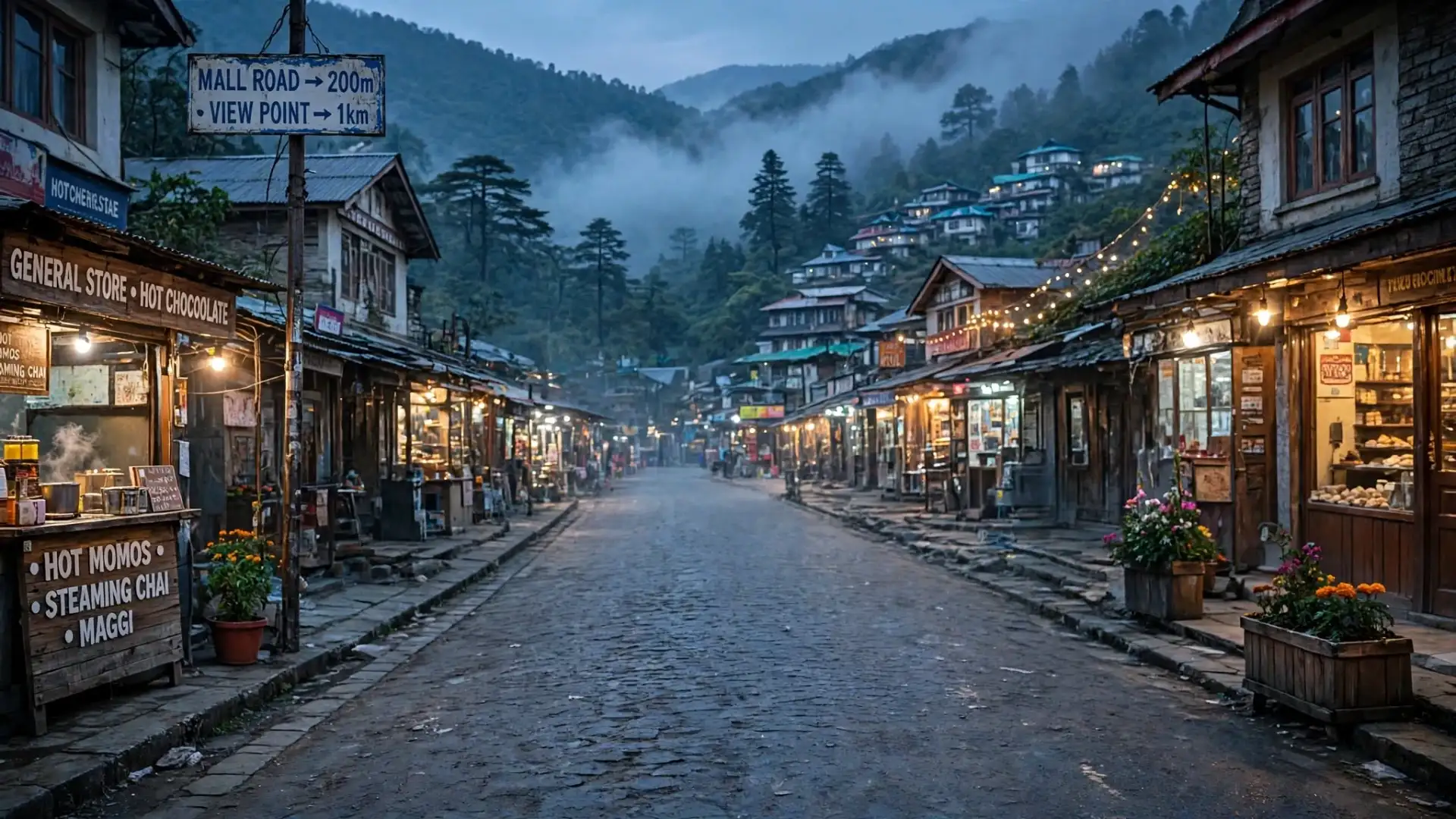
This change is not unusual. Hill stations often experience a noticeable difference between daytime and night-time temperatures, although the size of that difference varies from place to place and from one weather system to another.
The key is to understand that summer describes a season, not a promise of consistently warm temperatures throughout the day and night.
One reason is that air pressure becomes lower at higher elevations. As air rises into lower pressure, it expands and cools. This process helps explain why mountain locations can remain cooler than nearby plains, even when both places receive sunshine.
That is why a summer afternoon in a hill station may feel comfortable while a city at a lower elevation experiences intense heat. Once the Sun sets, the cooler mountain air can become much more noticeable.
The air near the surface is affected by this cooling. Under suitable conditions, the ground and the air close to it can cool considerably overnight.
Clear skies can encourage more rapid night-time cooling because heat can escape from the surface more efficiently than under a thick blanket of cloud. Cloud cover can reduce this heat loss by absorbing and re-emitting some of the outgoing infrared radiation.
This is why two evenings in the same hill station may feel quite different. A clear, calm night can cool differently from a cloudy, windy one.
Mountain terrain also creates local variations. Cold air can flow downhill and collect in valleys, especially on clear, calm nights. Higher slopes and sheltered areas may therefore experience different conditions, even within the same region.
Humidity, cloud cover and the amount of moisture in the air can influence night-time cooling as well. There is no single rule that applies equally to every hill station.
Carry a light jacket or warm layer, particularly if you plan to walk outdoors or sit on an open terrace. If rain or strong winds are expected, suitable outerwear can be useful too.
Ultimately, hill stations often feel colder after sunset because higher elevations generally have cooler air, and the ground begins losing heat once direct sunlight disappears. Add local winds and mountain terrain, and a warm summer afternoon can turn into a distinctly chilly evening. The change is part of mountain weather, not a contradiction of the season.
This change is not unusual. Hill stations often experience a noticeable difference between daytime and night-time temperatures, although the size of that difference varies from place to place and from one weather system to another.
The key is to understand that summer describes a season, not a promise of consistently warm temperatures throughout the day and night.
Higher Altitude Usually Means Cooler Air
Many popular Indian hill stations are located well above sea level. In the lower part of the atmosphere, air temperature generally decreases with increasing altitude, although the exact rate depends on weather conditions.One reason is that air pressure becomes lower at higher elevations. As air rises into lower pressure, it expands and cools. This process helps explain why mountain locations can remain cooler than nearby plains, even when both places receive sunshine.
That is why a summer afternoon in a hill station may feel comfortable while a city at a lower elevation experiences intense heat. Once the Sun sets, the cooler mountain air can become much more noticeable.
What Happens After the Sun Goes Down?
During daylight hours, sunlight warms the ground, roads, buildings and other surfaces. After sunset, the ground stops receiving direct solar energy and begins losing heat, including through infrared radiation.The air near the surface is affected by this cooling. Under suitable conditions, the ground and the air close to it can cool considerably overnight.
Clear skies can encourage more rapid night-time cooling because heat can escape from the surface more efficiently than under a thick blanket of cloud. Cloud cover can reduce this heat loss by absorbing and re-emitting some of the outgoing infrared radiation.
You may also like
- 5 Akbar-Birbal Lessons on Testing Any Claim Before You Pay for It
- Does the Baby Open Its Eyes in the Womb?
- Why Is Shukra Pradosh Vrat So Special for Married Women?
- France reports first human case of livestock virus Shamonda in patient who later died
- The African Catfish Is Banned in India. It's Still Spreading Through Our Rivers.
This is why two evenings in the same hill station may feel quite different. A clear, calm night can cool differently from a cloudy, windy one.
Wind, Humidity and the Shape of the Landscape Matter
Temperature is not the only factor affecting how cold you feel. Wind can increase heat loss from exposed skin, making the air feel colder than the thermometer reading might suggest.Mountain terrain also creates local variations. Cold air can flow downhill and collect in valleys, especially on clear, calm nights. Higher slopes and sheltered areas may therefore experience different conditions, even within the same region.
Humidity, cloud cover and the amount of moisture in the air can influence night-time cooling as well. There is no single rule that applies equally to every hill station.
How to Prepare for Chilly Summer Evenings
If you are visiting a hill station, check the forecast for both daytime highs and overnight lows. Packing only for the afternoon temperature can leave you uncomfortable after dark.Carry a light jacket or warm layer, particularly if you plan to walk outdoors or sit on an open terrace. If rain or strong winds are expected, suitable outerwear can be useful too.
Ultimately, hill stations often feel colder after sunset because higher elevations generally have cooler air, and the ground begins losing heat once direct sunlight disappears. Add local winds and mountain terrain, and a warm summer afternoon can turn into a distinctly chilly evening. The change is part of mountain weather, not a contradiction of the season.






Loving Newspoint? Download the app now
