
Why Plants Suddenly Turn Green After the First Monsoon Rain

After weeks of heat and dry weather, the first proper rain can make the landscape look dramatically different. Within days, bare patches may turn green, dormant plants can produce fresh shoots, and weeds seem to appear almost overnight. It can feel as though plants were simply waiting for the rain to arrive. In reality, many plants are responding to a carefully timed combination of water, temperature, soil chemistry and biological signals. The first rain does much more than wet the ground. It can reactivate roots, awaken dormant seeds and restart processes that slowed down during dry conditions.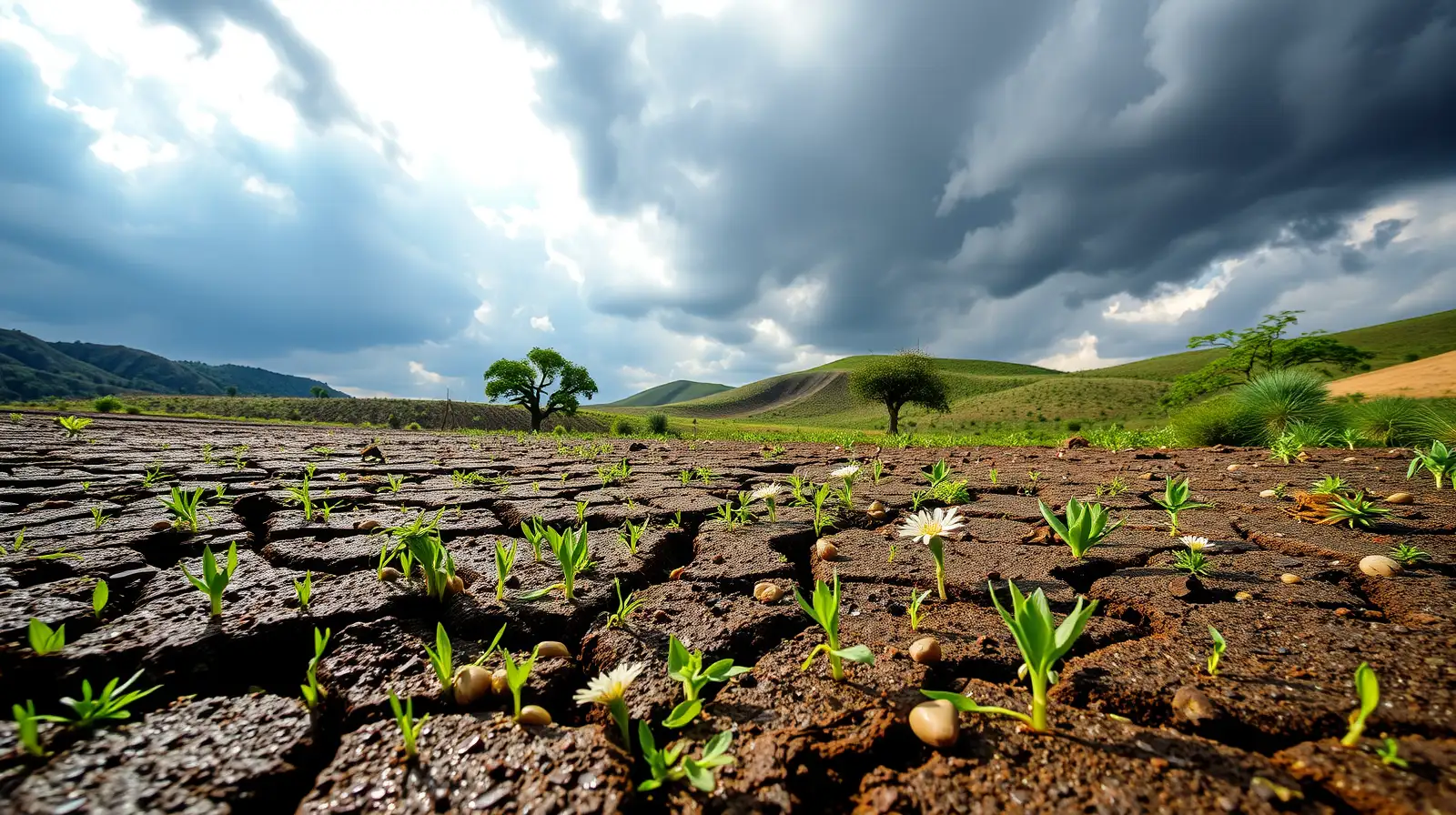
This sudden change can trigger rapid biological activity. Cells regain water, nutrient transport improves and photosynthesis can increase once leaves have sufficient moisture. For plants that have been waiting through a dry spell, the change can be remarkably quick.
This is particularly noticeable in grasses, weeds and seasonal plants, which are naturally adapted to take advantage of short periods of favourable weather.
Moisture can provide the signal these seeds need to begin germination. Temperature and light conditions also influence whether a seed starts growing.
This explains why weeds often seem to appear from nowhere after rain. They were not created by the rain. Their seeds were already there, waiting for the right conditions.
Rain can also encourage bacteria, fungi and other microorganisms in the soil to become more active. These organisms play an important role in breaking down organic matter and cycling nutrients.
There is even an interesting smell associated with the first rain, known as petrichor. Some of the compounds responsible for that earthy scent are produced or released by soil microorganisms.
In tropical and monsoon regions, this seasonal burst of growth is a crucial part of the natural cycle. Farmers, gardeners and ecologists often observe the same phenomenon on a much larger scale across grasslands and forests.
For some species, growing rapidly when water becomes available is an advantage. They can produce leaves, flowers or seeds before the next dry period arrives.
So, when a seemingly lifeless patch of ground turns green shortly after rainfall, it is really revealing a hidden story. Beneath the dry surface, seeds, roots and microorganisms may have been waiting all along for one simple signal: water.
Rain Can Switch Plants Back Into Growth Mode
During prolonged dry weather, many plants slow their growth to conserve water. Their roots may remain alive but become less active, while some seeds stay dormant beneath the soil. Once rain reaches the ground, water enters the soil and becomes available to roots.This sudden change can trigger rapid biological activity. Cells regain water, nutrient transport improves and photosynthesis can increase once leaves have sufficient moisture. For plants that have been waiting through a dry spell, the change can be remarkably quick.
This is particularly noticeable in grasses, weeds and seasonal plants, which are naturally adapted to take advantage of short periods of favourable weather.
The First Rain Also Wakes Up Dormant Seeds
One of the most fascinating reasons for sudden greenery is the seed bank hidden beneath the soil. A single patch of ground can contain thousands of dormant seeds, some of which may have remained inactive for months or even years.Moisture can provide the signal these seeds need to begin germination. Temperature and light conditions also influence whether a seed starts growing.
This explains why weeds often seem to appear from nowhere after rain. They were not created by the rain. Their seeds were already there, waiting for the right conditions.
Rain Changes the Soil Too
Rain does not simply provide water. It can alter the conditions around plant roots. Moist soil allows nutrients and minerals to move more easily, making some of them more accessible to plants.Rain can also encourage bacteria, fungi and other microorganisms in the soil to become more active. These organisms play an important role in breaking down organic matter and cycling nutrients.
You may also like
- Indian man talks about the 'harsh reality' of moving to the US: 'Be prepared to put your photo on the wall if you work at a gas station'
- Delhi Prepares Drone Policy; Over 1,000 New Jobs Expected
- Income Tax Refund: Haven't received your income tax refund yet? These 5 reasons could be responsible..
- Isha Koppikar's powerful parenting lesson on raising children and what new-age parents can learn from it
- DU UG Third Merit List Released: Key Dates to Remember After Seat Allotment
There is even an interesting smell associated with the first rain, known as petrichor. Some of the compounds responsible for that earthy scent are produced or released by soil microorganisms.
Why Growth Can Look Almost Explosive
The combination of water, nutrients, warmer soil and increased biological activity can create a brief window of ideal growing conditions. Plants that have already developed strong roots can respond particularly quickly.In tropical and monsoon regions, this seasonal burst of growth is a crucial part of the natural cycle. Farmers, gardeners and ecologists often observe the same phenomenon on a much larger scale across grasslands and forests.
The Green Transformation Has a Purpose
The sudden growth after the first rain is not just a visual change. It reflects how plants have evolved to survive unpredictable environments.For some species, growing rapidly when water becomes available is an advantage. They can produce leaves, flowers or seeds before the next dry period arrives.
So, when a seemingly lifeless patch of ground turns green shortly after rainfall, it is really revealing a hidden story. Beneath the dry surface, seeds, roots and microorganisms may have been waiting all along for one simple signal: water.






Loving Newspoint? Download the app now
