
Why Staying Hydrated Becomes Even More Important As We Age

Water plays a vital role in many everyday functions, but maintaining adequate fluid intake can become more challenging with age. Older adults may not always feel thirsty, even when their body needs fluids, making dehydration in the elderly a concern that deserves attention.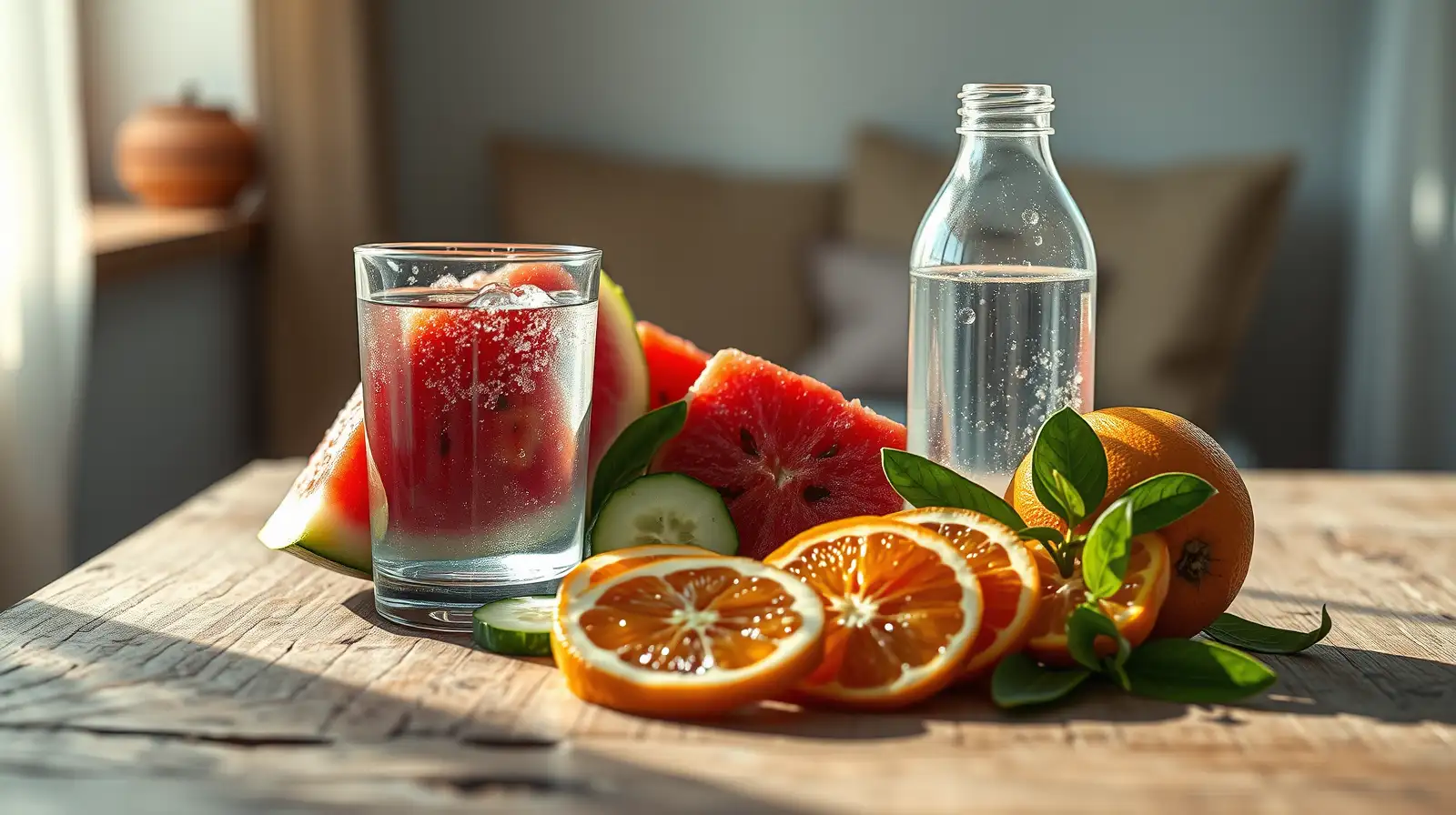
Certain medications, health conditions and mobility challenges may also affect hydration habits. According to experts, regular fluid intake can support normal bodily functions and contribute to overall wellbeing. For older adults and their caregivers, paying attention to hydration in older adults can be a simple yet important part of a healthy daily routine.
Mobility challenges can also make a difference. Some older adults may avoid drinking frequently because they are concerned about needing to use the bathroom, particularly if movement is difficult. Experts note that this can gradually reduce fluid intake and increase the risk of dehydration.
Maintaining hydration may also support normal bowel function. Older adults who do not drink enough fluids may be more likely to experience constipation, although several factors can contribute to the problem. This is one reason hydration is often included among healthy ageing tips .
For this reason, older adults should not make major changes to their fluid intake without considering advice from a qualified healthcare professional. The right amount can vary depending on factors such as climate, activity, diet, medicines and overall health.
Fluids can also come from foods with high water content, such as certain fruits, vegetables and soups. According to experts, older adults may find it easier to build hydration into daily routines by drinking with meals and taking regular fluid breaks.
Caregivers and family members can also gently remind older adults to drink throughout the day. Small, consistent habits may make it easier to maintain hydration and support overall wellbeing as part of a healthy ageing routine.
Certain medications, health conditions and mobility challenges may also affect hydration habits. According to experts, regular fluid intake can support normal bodily functions and contribute to overall wellbeing. For older adults and their caregivers, paying attention to hydration in older adults can be a simple yet important part of a healthy daily routine.
Why Older Adults May Be More Vulnerable
As people age, the sensation of thirst may become less noticeable. This means an older person may not always remember to drink enough fluids throughout the day.Mobility challenges can also make a difference. Some older adults may avoid drinking frequently because they are concerned about needing to use the bathroom, particularly if movement is difficult. Experts note that this can gradually reduce fluid intake and increase the risk of dehydration.
Hydration Supports Everyday Body Functions
Adequate fluid intake supports several normal processes in the body. Water is involved in temperature regulation, digestion and the circulation of nutrients.You may also like
- Spanish footballer Nico Williams gave his FIFA WC medal to his mother; but behind the viral moment lies a remarkable journey of sacrifice his parents had made
- Paying a home loan while living in a rented house? Here is how to avail double tax benefits when filing your ITR..
- Your Daily Brushing Routine Could Be Hurting Your Teeth
- It was pure joy: Spain fans in Gujarat celebrate World Cup win
- 5 Foods That Secretly Lower Bad Cholesterol
Maintaining hydration may also support normal bowel function. Older adults who do not drink enough fluids may be more likely to experience constipation, although several factors can contribute to the problem. This is one reason hydration is often included among healthy ageing tips .
Medicines And Health Conditions May Affect Fluid Needs
Some medicines can influence fluid balance or increase fluid loss. Certain health conditions may also require a person to follow specific fluid recommendations.For this reason, older adults should not make major changes to their fluid intake without considering advice from a qualified healthcare professional. The right amount can vary depending on factors such as climate, activity, diet, medicines and overall health.
Simple Hydration Tips For Seniors
Making fluids easier to access can help encourage regular intake. Keeping water within reach and drinking small amounts regularly may be more practical than waiting until thirst develops.Fluids can also come from foods with high water content, such as certain fruits, vegetables and soups. According to experts, older adults may find it easier to build hydration into daily routines by drinking with meals and taking regular fluid breaks.
Caregivers and family members can also gently remind older adults to drink throughout the day. Small, consistent habits may make it easier to maintain hydration and support overall wellbeing as part of a healthy ageing routine.






Loving Newspoint? Download the app now
