
Think Your Snack Is Healthy? It Could Be Packed With Hidden Calories

In today's health-conscious world, many people are swapping crisps and biscuits for granola bars, protein bites and flavoured yoghurts. The term " healthy snacks " has become a major selling point, leading many consumers to believe these options are automatically low in calories and good for weight management.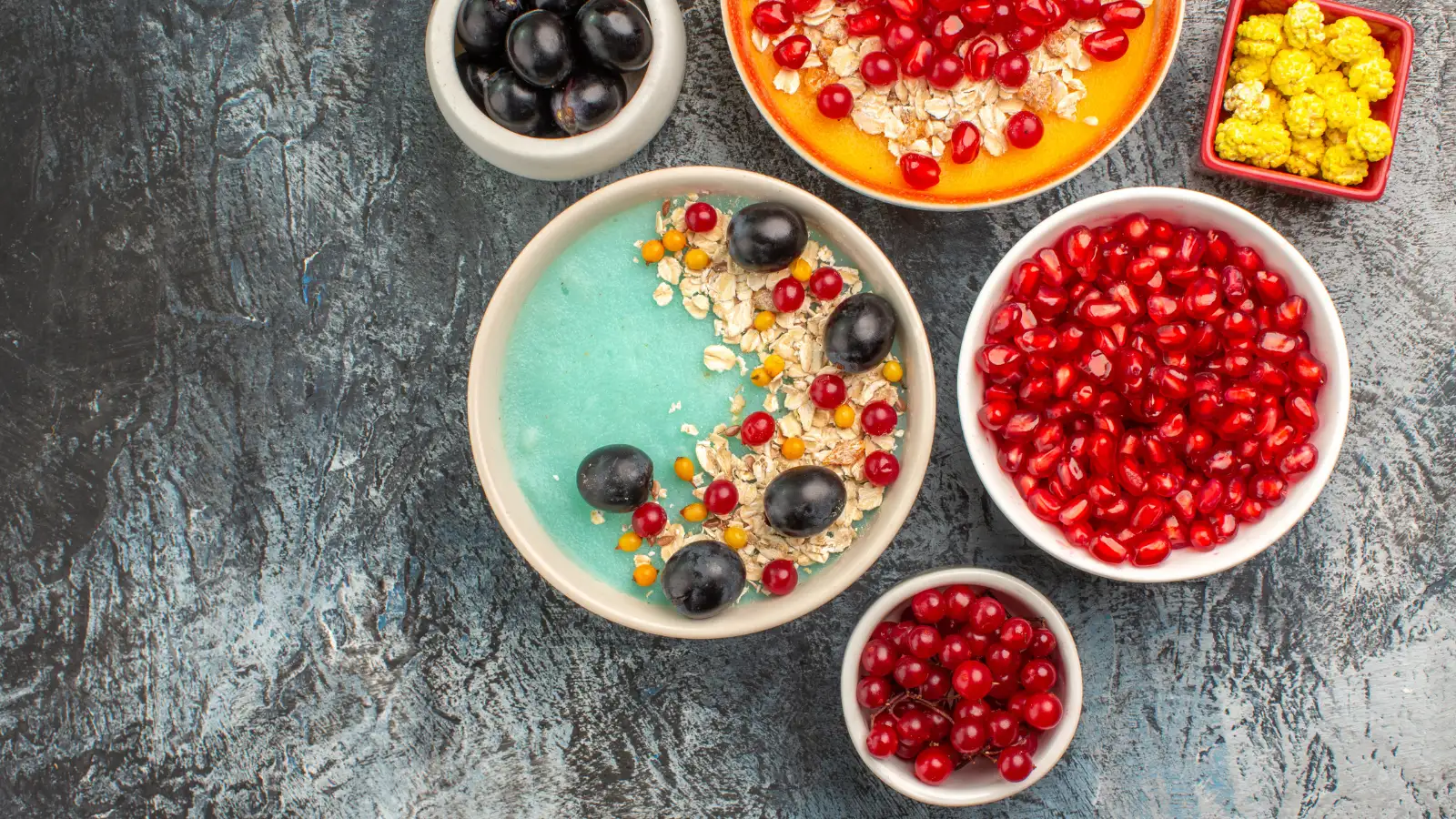
However, appearances can be deceiving. Some of the foods marketed as healthy are surprisingly calorie-dense and loaded with sugar, making them less beneficial than they seem.
Many packaged healthy snacks contain added sugars, refined carbohydrates and oils that significantly increase their calorie count. A small granola bar, for instance, can contain as many calories as a chocolate biscuit.
This is why reading nutrition facts and ingredient labels is essential before adding any snack to your shopping basket.
Also Read: Think Your Protein Bar Is Healthy? Here's What You Need To Know
Because they are easy to eat in large quantities, dried fruits can quickly add extra calories to your daily intake without making you feel full.
Some single-serving yoghurts have sugar levels comparable to desserts. Choosing plain yoghurt and adding fresh fruits yourself can be a much healthier option.
A small handful can be beneficial, but eating directly from a large packet may result in consuming far more calories than intended.
Also Read: Top 8 Vegetarian Protein Sources Beyond Paneer for a Healthy Diet
Practising mindful eating and paying attention to serving sizes can make a significant difference to your overall calorie intake.
The key to healthy eating lies in understanding what you're consuming and making informed choices that support your health goals.
However, appearances can be deceiving. Some of the foods marketed as healthy are surprisingly calorie-dense and loaded with sugar, making them less beneficial than they seem.
The Problem With Packaged Healthy Snacks
Food manufacturers often promote snacks using words such as "natural", "organic" and "high protein". While these labels sound healthy, they do not always guarantee better nutrition.Many packaged healthy snacks contain added sugars, refined carbohydrates and oils that significantly increase their calorie count. A small granola bar, for instance, can contain as many calories as a chocolate biscuit.
This is why reading nutrition facts and ingredient labels is essential before adding any snack to your shopping basket.
Also Read: Think Your Protein Bar Is Healthy? Here's What You Need To Know
Dried Fruits Can Be Calorie Bombs
Dried fruits are packed with nutrients and fibre, but they are also highly concentrated sources of sugar and calories. A handful of raisins can contain the same amount of sugar as several fresh grapes.Because they are easy to eat in large quantities, dried fruits can quickly add extra calories to your daily intake without making you feel full.
Flavoured Yoghurt Isn't Always a Healthy Choice
Yoghurt is often associated with healthy eating , but flavoured varieties may contain large amounts of added sugar.Some single-serving yoghurts have sugar levels comparable to desserts. Choosing plain yoghurt and adding fresh fruits yourself can be a much healthier option.
Nuts Are Nutritious but Easy to Overeat
Nuts are among the most nutritious healthy snacks because they provide healthy fats, protein and fibre. However, they are also calorie-dense.A small handful can be beneficial, but eating directly from a large packet may result in consuming far more calories than intended.
Also Read: Top 8 Vegetarian Protein Sources Beyond Paneer for a Healthy Diet
Portion Size Matters More Than You Think
Even genuinely healthy foods can contribute to weight gain if portion sizes are ignored. Smoothies, protein bars and trail mixes often contain multiple servings in one package.Practising mindful eating and paying attention to serving sizes can make a significant difference to your overall calorie intake.
How to Choose Better Snacks
To make healthier choices, keep these simple tips in mind:- Read nutrition facts carefully.
- Check the sugar and calorie content.
- Look for snacks made with simple ingredients.
- Choose low calorie snacks that contain fibre and protein.
- Avoid eating straight from large packages.
The Bottom Line
Healthy snacks can certainly be part of a balanced diet, but not every snack labelled as healthy is truly light or nutritious. Hidden calories and added sugars can quickly turn a seemingly smart choice into an unnecessary source of extra energy.The key to healthy eating lies in understanding what you're consuming and making informed choices that support your health goals.
Next Story