
World Food Safety Day: Signs Your Cooking Oil May Be Unsafe To Use

World Food Safety Day is observed every year on 7 June to raise awareness about the importance of safe food practices and preventing food-related health risks. On World Food Safety Day 2026 , it is important to remember that food safety extends beyond checking expiry dates and avoiding contamination. One commonly overlooked threat is rancid oil , which can affect both the quality of food and long-term health. Learning how to identify rancid oil at home can help ensure safer cooking and better overall food safety.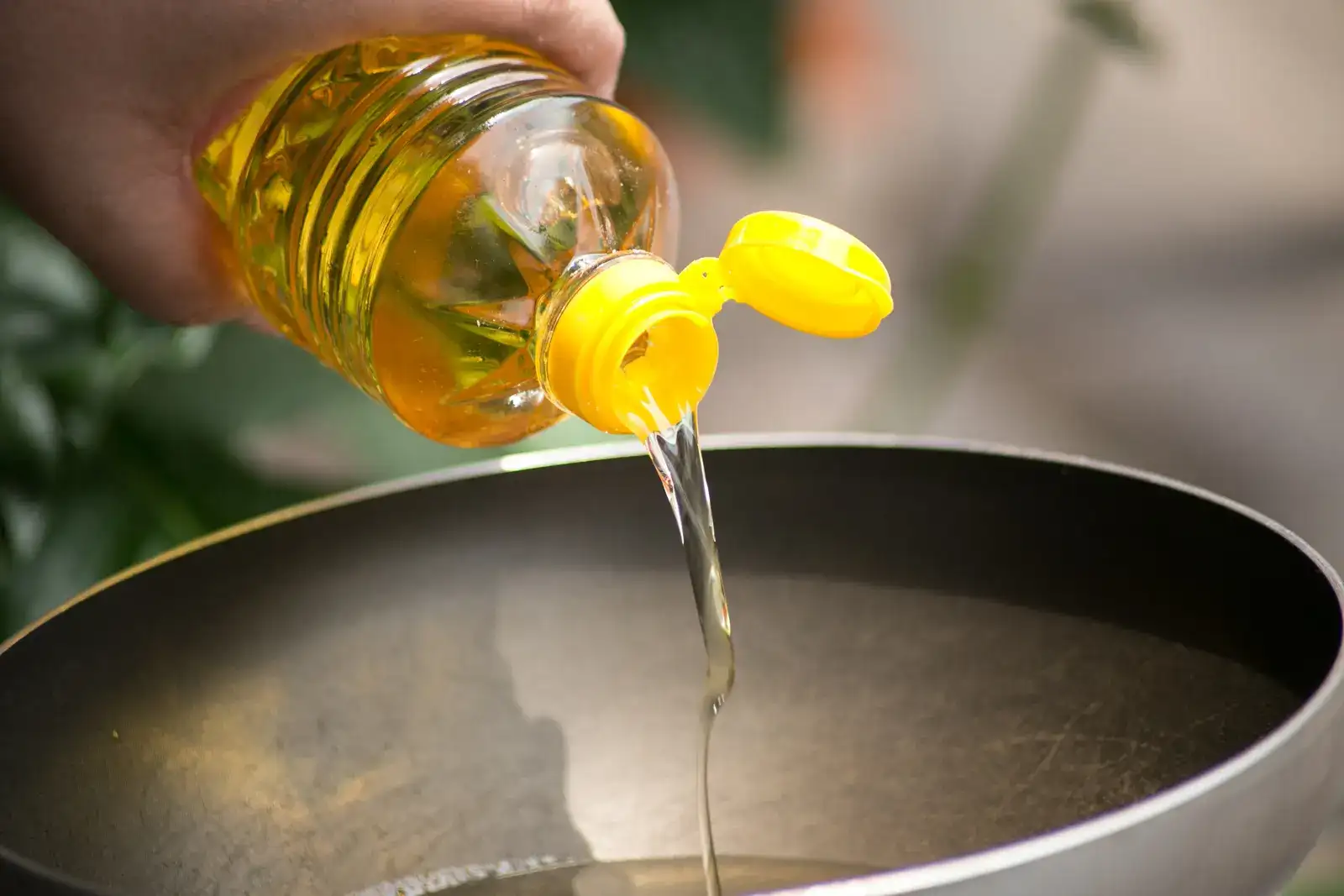
Here are six simple yet effective ways to check whether your cooking oil is still safe to use.
Authentic products from trusted manufacturers are usually packaged carefully to prevent contamination. If the seal appears broken or the cap seems loose, the oil may have been compromised and should be avoided.
Also Read: Used Cooking Oil Hacks: 5 Smart Ways to Reuse It Around the House
Established brands often follow strict quality control standards and display certifications on their packaging. Investing in trusted products is one of the easiest food safety tips for protecting your household from rancid oil and other quality concerns.
For example, olive oil typically has a golden-green shade, while sunflower oil is usually pale yellow. If you notice cloudiness, unusual discolouration, sediment, or floating particles, it may indicate spoilage or contamination.
If the oil begins smoking well before reaching the normal frying temperature of approximately 175°C to 190°C, its structure may have already degraded. This often occurs when oil has been stored improperly, reused multiple times, or has started to turn rancid. Such oil becomes unstable and should not be used for cooking.
Fresh cooking oil generally has a mild, neutral, or pleasant aroma depending on its variety. Olive oil may smell fruity, while coconut oil often has a subtle sweet scent. If the oil emits a sour, stale, paint-like, or unpleasant odour, it is likely rancid and should be discarded immediately.
This World Food Safety Day 2026, take a few extra moments to inspect the oil in your kitchen. These simple checks can go a long way towards maintaining a healthier and safer cooking environment.
Here are six simple yet effective ways to check whether your cooking oil is still safe to use.
1. Inspect The Packaging Carefully
The first step in ensuring cooking oil safety begins before you even open the bottle. Examine the packaging closely for tamper-proof seals, secure caps, and signs of damage.Authentic products from trusted manufacturers are usually packaged carefully to prevent contamination. If the seal appears broken or the cap seems loose, the oil may have been compromised and should be avoided.
Also Read: Used Cooking Oil Hacks: 5 Smart Ways to Reuse It Around the House
2. Choose Trusted Brands
Selecting cooking oil from reputable brands can significantly reduce the risk of purchasing poor-quality or adulterated products.Established brands often follow strict quality control standards and display certifications on their packaging. Investing in trusted products is one of the easiest food safety tips for protecting your household from rancid oil and other quality concerns.
3. Use The Power Of Sight
A visual inspection can reveal a lot about oil quality. Pure cooking oil should appear clear and maintain a colour consistent with its type.For example, olive oil typically has a golden-green shade, while sunflower oil is usually pale yellow. If you notice cloudiness, unusual discolouration, sediment, or floating particles, it may indicate spoilage or contamination.
You may also like
- It's forbidden to climb these 4 mountains – and here's why
- Regrow your kitchen scraps into a endless backyard harvest
- Delicious Muskmelon Shake Recipe: Transform Overripe Melons into a Refreshing Treat
- Essential Strategies for Teaching Children Healthy Relationship Skills
- 39 wives, 94 children: Inside world's largest family staying in India
4. Watch For Early Smoking
One of the clearest warning signs of spoiled cooking oil is excessive smoking during heating.If the oil begins smoking well before reaching the normal frying temperature of approximately 175°C to 190°C, its structure may have already degraded. This often occurs when oil has been stored improperly, reused multiple times, or has started to turn rancid. Such oil becomes unstable and should not be used for cooking.
5. Trust Your Sense Of Smell
Smell is one of the most reliable ways to identify rancid oil at home.Fresh cooking oil generally has a mild, neutral, or pleasant aroma depending on its variety. Olive oil may smell fruity, while coconut oil often has a subtle sweet scent. If the oil emits a sour, stale, paint-like, or unpleasant odour, it is likely rancid and should be discarded immediately.
6. Try The Freezing And Paper Tests
Simple home tests can also help determine oil quality.The Freezing Test
Place a small spoonful of oil in the refrigerator for about 30 minutes. Pure oil typically solidifies evenly. If the oil separates into layers or behaves unusually, it may contain impurities or adulterants.The Paper Test
Put a drop of oil on a clean white paper towel and allow it to dry. Pure oil generally leaves a uniform translucent mark. If you notice multiple rings, uneven spreading, or a greasy border, it may indicate contamination or poor-quality oil.Why Checking Oil Quality Matters
Cooking oil is a staple ingredient in most kitchens, but its quality directly affects both food safety and flavour. Learning how to identify rancid oil can help prevent unnecessary health risks, reduce food waste, and ensure every meal is prepared with safe ingredients.This World Food Safety Day 2026, take a few extra moments to inspect the oil in your kitchen. These simple checks can go a long way towards maintaining a healthier and safer cooking environment.






More from our partners


Loving Newspoint? Download the app now
