
Which City Is The World's Northernmost Capital? Here's The Answer

Some capital cities are celebrated for their royal palaces, while others are admired for their towering skylines or rich history. However, one capital stands apart because of its extraordinary location. Reykjavik , the capital of Iceland, is recognised as the world's northernmost capital , offering visitors a rare combination of modern city life and spectacular Arctic landscapes.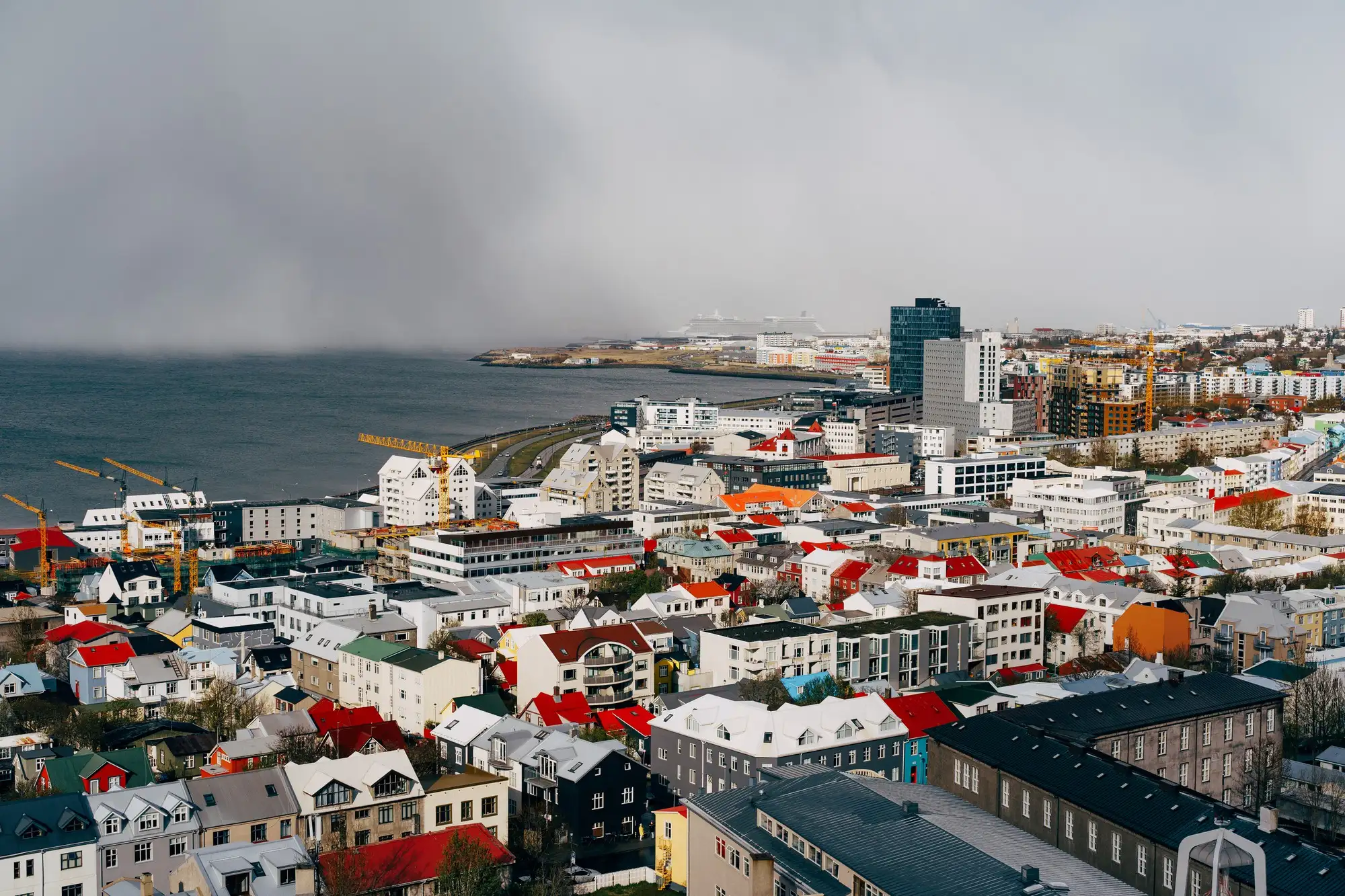
Situated at around 64° north latitude, Reykjavik is the political, cultural and economic heart of Iceland. Although it lies close to the Arctic Circle, the city enjoys a surprisingly mild climate thanks to the warm North Atlantic currents. Its stunning scenery, colourful streets and unique natural attractions make it one of the most remarkable travel destinations in the world.
These dramatic seasonal changes make Reykjavik tourism appealing throughout the year, with every season offering a completely different experience.
Also Read: London Travel Guide: 6 Best Things To Do On Your First Visit
Some of the city's must-visit places include:
Within a few hours, visitors can discover:
Summer, from June to August, offers mild weather, endless daylight and excellent conditions for sightseeing and outdoor adventures. Meanwhile, September to March is ideal for travellers hoping to witness the spectacular Northern Lights against Iceland's dark winter skies.
Situated at around 64° north latitude, Reykjavik is the political, cultural and economic heart of Iceland. Although it lies close to the Arctic Circle, the city enjoys a surprisingly mild climate thanks to the warm North Atlantic currents. Its stunning scenery, colourful streets and unique natural attractions make it one of the most remarkable travel destinations in the world.
Why Is Reykjavik The World's Northernmost Capital?
The city's high-latitude location creates some of nature's most fascinating spectacles. During summer, the famous Midnight Sun bathes Reykjavik in almost continuous daylight, giving visitors extra hours to explore the city. In contrast, winter brings long nights, creating perfect conditions to witness the magical Northern Lights , one of Iceland's biggest attractions.These dramatic seasonal changes make Reykjavik tourism appealing throughout the year, with every season offering a completely different experience.
Also Read: London Travel Guide: 6 Best Things To Do On Your First Visit
Top Attractions In Reykjavik
Although compact in size, Reykjavik is packed with iconic landmarks and cultural attractions.Some of the city's must-visit places include:
- Hallgrimskirkja, the city's striking church and tallest landmark
- Harpa Concert Hall, known for its stunning glass architecture
- Sun Voyager, a famous waterfront sculpture overlooking the sea
- Old Harbour, filled with cafés, restaurants and whale-watching tours
Nature Is Never Far Away
One of the biggest reasons travellers choose Iceland travel is the country's extraordinary natural beauty, and Reykjavik serves as the perfect base for exploring it.You may also like
- After two COVID deaths in Andhra Pradesh, Odisha steps up vigilance ahead of Jagannath Rath Yatra; what travellers should know
- Freshen Up Your Clothes This Monsoon with White Vinegar
- Hidden Health Risks of the Rainy Season You Shouldn't Ignore
- When Can I Begin Exercising After Natural Birth?
- Chaturmas: With deities asleep during Chaturmas, will fasting and worship not take place? What are the rules?
Within a few hours, visitors can discover:
- The famous Blue Lagoon geothermal spa
- The Golden Circle sightseeing route
- Active volcanoes and lava fields
- Powerful waterfalls and geysers
- Glaciers and black sand beaches
Best Time To Visit Reykjavik
The ideal season depends on the experience you're seeking.Summer, from June to August, offers mild weather, endless daylight and excellent conditions for sightseeing and outdoor adventures. Meanwhile, September to March is ideal for travellers hoping to witness the spectacular Northern Lights against Iceland's dark winter skies.
How To Reach Reykjavik
Travellers usually arrive via Keflavik International Airport, located about 50 kilometres from the city centre. Shuttle buses, taxis and rental cars provide convenient transport into Reykjavik. The city is also a popular stop for international cruise ships during the summer months.A Capital Like No Other
As the world's northernmost capital, Reykjavik combines vibrant city life with extraordinary natural beauty. Whether you want to experience the Midnight Sun, chase the Northern Lights or explore Iceland's geothermal landscapes, this unique destination promises an unforgettable journey. Its remarkable location, welcoming atmosphere and incredible surroundings continue to make Reykjavik one of the world's most fascinating capital cities.





Loving Newspoint? Download the app now
