
What Does Lord Shiva’s Third Eye Symbolise? Know The Story Behind Trinetra

As the sacred month of Sawan begins, devotees across India turn towards Lord Shiva, visiting temples and offering prayers to seek his blessings. Among the many fascinating aspects associated with the Hindu deity, his third eye remains one of the most powerful and symbolic.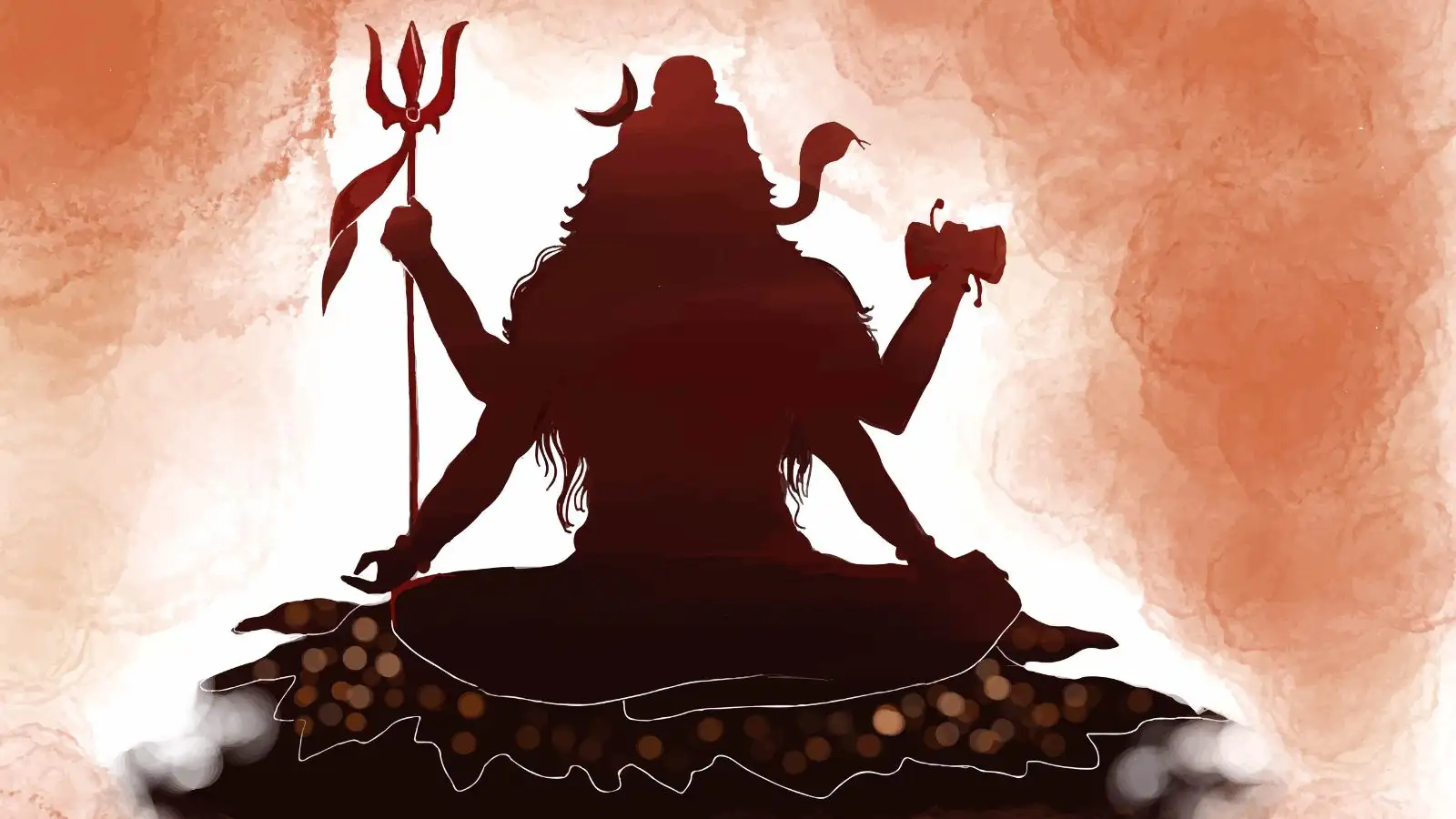
Lord Shiva is often called ‘Triyambaka’ or ‘Trinetra’, referring to his three eyes. His two physical eyes are traditionally associated with the sun and moon, while the third eye represents a deeper form of perception, divine consciousness and spiritual wisdom.
But how did Lord Shiva get his third eye? A popular story in Hindu mythology offers a fascinating explanation.
The moment Shiva's eyes were covered, darkness spread across the universe. The sun and moon, symbolically represented by his two eyes, were no longer visible, and the entire world was believed to be plunged into darkness. All living beings became frightened as the natural order appeared to be disturbed.
To restore light and balance, a powerful flame suddenly emerged from Lord Shiva’s forehead. A third eye appeared, radiating intense energy and brightness. It was unlike his other two eyes and represented a powerful form of divine vision.
This is regarded as the origin of Lord Shiva's third eye, which came to symbolise an ability to see beyond ordinary physical perception.
Also Read: Sawan 2026: 7 Sacred Shiva Temples Every Devotee Should Visit for Divine Blessings
The Shiva third eye meaning is therefore closely connected with wisdom, awareness, transformation and the destruction of ignorance. It reminds devotees that true understanding comes not only from observing the world around us but also from developing greater awareness within ourselves.
Lord Shiva’s Trinetra continues to hold an important place in Hindu mythology and spirituality, making it one of the most recognisable and meaningful symbols associated with the deity.
Lord Shiva is often called ‘Triyambaka’ or ‘Trinetra’, referring to his three eyes. His two physical eyes are traditionally associated with the sun and moon, while the third eye represents a deeper form of perception, divine consciousness and spiritual wisdom.
But how did Lord Shiva get his third eye? A popular story in Hindu mythology offers a fascinating explanation.
The Story Behind Lord Shiva’s Third Eye
According to a popular Hindu legend, Goddess Parvati once playfully covered Lord Shiva's eyes with her hands. What appeared to be a simple playful gesture had a profound cosmic consequence.The moment Shiva's eyes were covered, darkness spread across the universe. The sun and moon, symbolically represented by his two eyes, were no longer visible, and the entire world was believed to be plunged into darkness. All living beings became frightened as the natural order appeared to be disturbed.
To restore light and balance, a powerful flame suddenly emerged from Lord Shiva’s forehead. A third eye appeared, radiating intense energy and brightness. It was unlike his other two eyes and represented a powerful form of divine vision.
This is regarded as the origin of Lord Shiva's third eye, which came to symbolise an ability to see beyond ordinary physical perception.
Also Read: Sawan 2026: 7 Sacred Shiva Temples Every Devotee Should Visit for Divine Blessings
What Does Shiva’s Third Eye Represent?
The Shiva third eye story is not simply about the appearance of an additional eye. It carries a deeper spiritual message and is associated with several important concepts.You may also like
- Sawan Somwar: The regional customs, food, and family questions readers search for
- Sawan mondays abroad: How to observe Shiva vrat without a nearby temple
- What to use when puja samagri is unavailable abroad: A practical guide for US and UK Hindu families
- Ekadashi in August 2026: Date, parana time, puja rituals and significance
- August 2026 Fast and Festival Calendar: When is Raksha Bandhan, Onam, Hariyali Teej, Nag Panchami? check other festivals list
1. Higher Consciousness
Lord Shiva's third eye represents awareness that goes beyond the five physical senses. It is associated with observing thoughts, emotions and experiences with greater clarity rather than allowing them to control the mind.2. Divine Wisdom
The third eye is also considered a symbol of knowledge and wisdom. While the physical eyes perceive the material world, the third eye is believed to represent deeper understanding and awareness of life's truths.3. Destruction Of Ignorance
In Hindu mythology, the opening of Shiva's third eye is often linked with destruction. However, its deeper meaning goes beyond physical destruction. It represents the removal of maya and ignorance, allowing truth to emerge from illusion.4. Restoration Of Cosmic Balance
Lord Shiva's third eye is also associated with restoring dharma when evil and imbalance become overwhelming. Its opening signifies the intervention of divine power when cosmic order needs to be protected.5. Spiritual Awakening
The third eye is closely associated with the Ajna Chakra or Third Eye Chakra, traditionally linked with intuition, inner awareness and spiritual awakening. In this sense, Lord Shiva's third eye represents the journey towards greater consciousness and freedom from worldly attachments.The Deeper Meaning Of Lord Shiva’s Trinetra
The significance of Lord Shiva's third eye extends far beyond its appearance in mythology. It represents the power to look beyond what is immediately visible and recognise deeper realities.The Shiva third eye meaning is therefore closely connected with wisdom, awareness, transformation and the destruction of ignorance. It reminds devotees that true understanding comes not only from observing the world around us but also from developing greater awareness within ourselves.
Lord Shiva’s Trinetra continues to hold an important place in Hindu mythology and spirituality, making it one of the most recognisable and meaningful symbols associated with the deity.






Loving Newspoint? Download the app now
