
What Is the Bundibugyo Ebola Virus? WHO Declares International Health Emergency Amid Rapid Spread

The World Health Organization (WHO) has declared a Public Health Emergency of International Concern after the rapid spread of the rare Bundibugyo Ebola virus across parts of the Democratic Republic of the Congo and Uganda. The situation has raised global concern as confirmed infections have now moved beyond remote border regions into densely populated urban centres, significantly increasing the risk of wider transmission. The WHO’s emergency designation, considered its highest level of international health alert, places the outbreak among the world’s most serious public health crises and has intensified efforts to contain the virus before it spreads further.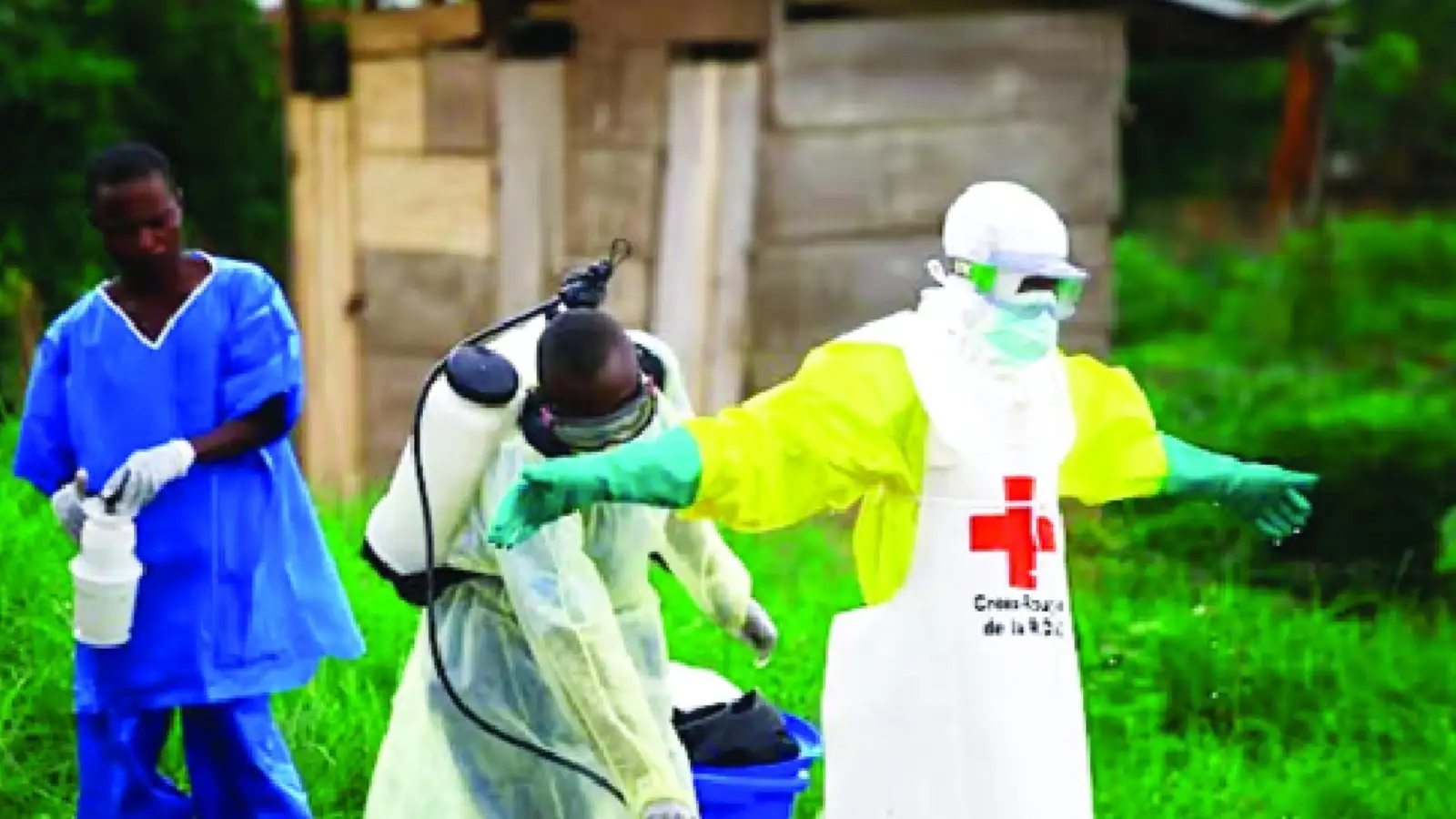
The global public health framework has been placed on high alert following an extraordinary administrative announcement from the World Health Organization (WHO). The international health body formally designated the accelerating viral surge across the Democratic Republic of the Congo and Uganda as a Public Health Emergency of International Concern. This designation represents the absolute highest level of institutional alarm, placing the current medical crisis in the same category as historic global health emergencies. The emergency committee convened swiftly after tracing data confirmed that the pathogen had successfully migrated from isolated provincial border communities into major, densely populated metropolitan capital cities.
What is causing deep concern among international epidemiologists is the specific genetic identity of the causative agent. Unlike previous highly publicised emergencies that involved the more common Zaire variant, the current crisis is driven entirely by the Bundibugyo strain. This distinction introduces severe operational complications for frontline medical teams.
While the international community holds a strategic stockpile of effective vaccines and targeted antibody therapies, these pharmaceutical tools were engineered exclusively to combat the Zaire strain, providing zero medical protection against the active Bundibugyo variant, meaning field responses must rely heavily on non-pharmaceutical interventions.
The Logistics of Urban Containment
The geographical footprint of the contagion has radically amplified the difficulty of traditional containment strategies. Initial clusters were heavily confined to the remote, gold-mining territories of Ituri Province in eastern Congo, where dense population movement is typically localized.
However, the formal identification of laboratory-confirmed infections within Kampala and Kinshasa has fundamentally transformed the nature of the epidemic. Managing an outbreak inside an urban mega-city housing millions of residents demands an entirely different scale of public logistics, significantly increasing the probability of rapid, unmonitored human-to-human transmission networks before formal isolation can occur.
The Crucial Lines of Defense
Because validated medical cures and preventative inoculations remain completely unavailable for this specific strain, health authorities are focusing intensely on traditional public safety protocols. Medical professionals emphasize that the virus cannot spread via casual airborne transmission, meaning standard respiratory droplet precautions are less relevant.
Instead, the pathogen spreads strictly through direct physical exposure to the bodily fluids of an actively symptomatic individual or through contact with contaminated surfaces. Consequently, public safety guidelines emphasize absolute avoidance of physical touch with infected individuals, the mandatory deployment of heavy personal protective equipment, and continuous hand sterilization.
Mitigating the Risk of Wildlife Spillover
Furthermore, health networks are actively educating rural populations on how to prevent initial zoonotic spillover events from local animal reservoirs. Fruit bats belonging to the Pteropodidae family are recognized as the natural hosts of the virus, capable of transmitting the pathogen to wild primates and monkeys.
Communities residing near forested zones are being instructed to completely avoid contact with dead or visibly ill forest wildlife. Additionally, health directives strongly discourage the handling or consumption of raw bushmeat, as the fluid exposure during the traditional butchering process serves as a primary catalyst for introducing the virus into human communities.
The Path Toward Regional Stabilization
Ultimately, managing this international crisis requires an extraordinary level of cross-border collaboration and institutional transparency. The World Health Organization has explicitly advised nations against closing international borders or implementing restrictive trade blockades, arguing that such measures push migrant movement toward unmonitored, illegal entry points where health screening is impossible.
Instead, regional governments are being urged to dramatically scale up localized contact tracing networks, establish specialized field isolation facilities, and engage community elders. By combining transparent public reporting with rigorous sanitation infrastructure, health experts aim to successfully stabilize the transmission curve.
The global public health framework has been placed on high alert following an extraordinary administrative announcement from the World Health Organization (WHO). The international health body formally designated the accelerating viral surge across the Democratic Republic of the Congo and Uganda as a Public Health Emergency of International Concern. This designation represents the absolute highest level of institutional alarm, placing the current medical crisis in the same category as historic global health emergencies. The emergency committee convened swiftly after tracing data confirmed that the pathogen had successfully migrated from isolated provincial border communities into major, densely populated metropolitan capital cities.
The Threat of a Rare Pathogen
What is causing deep concern among international epidemiologists is the specific genetic identity of the causative agent. Unlike previous highly publicised emergencies that involved the more common Zaire variant, the current crisis is driven entirely by the Bundibugyo strain. This distinction introduces severe operational complications for frontline medical teams.
While the international community holds a strategic stockpile of effective vaccines and targeted antibody therapies, these pharmaceutical tools were engineered exclusively to combat the Zaire strain, providing zero medical protection against the active Bundibugyo variant, meaning field responses must rely heavily on non-pharmaceutical interventions.
The Logistics of Urban Containment
The geographical footprint of the contagion has radically amplified the difficulty of traditional containment strategies. Initial clusters were heavily confined to the remote, gold-mining territories of Ituri Province in eastern Congo, where dense population movement is typically localized.
You may also like
- Zelenskyy says Russia supplied satellite intelligence that aided Iran's Gulf attacks
- From Tololing to Tiger Hill: Five mountain victories that secured India's Kargil triumph over Pakistan
- Trump wears '2028' cap at White House dinner, says 'third time will be better'
- 27th Kargil Vijay Diwas: How India took the high ground from Pakistan, rewrote military doctrine
- Two killed after small plane crashes into house in Germany
However, the formal identification of laboratory-confirmed infections within Kampala and Kinshasa has fundamentally transformed the nature of the epidemic. Managing an outbreak inside an urban mega-city housing millions of residents demands an entirely different scale of public logistics, significantly increasing the probability of rapid, unmonitored human-to-human transmission networks before formal isolation can occur.
The Crucial Lines of Defense
Because validated medical cures and preventative inoculations remain completely unavailable for this specific strain, health authorities are focusing intensely on traditional public safety protocols. Medical professionals emphasize that the virus cannot spread via casual airborne transmission, meaning standard respiratory droplet precautions are less relevant.
Instead, the pathogen spreads strictly through direct physical exposure to the bodily fluids of an actively symptomatic individual or through contact with contaminated surfaces. Consequently, public safety guidelines emphasize absolute avoidance of physical touch with infected individuals, the mandatory deployment of heavy personal protective equipment, and continuous hand sterilization.
Mitigating the Risk of Wildlife Spillover
Furthermore, health networks are actively educating rural populations on how to prevent initial zoonotic spillover events from local animal reservoirs. Fruit bats belonging to the Pteropodidae family are recognized as the natural hosts of the virus, capable of transmitting the pathogen to wild primates and monkeys.
Communities residing near forested zones are being instructed to completely avoid contact with dead or visibly ill forest wildlife. Additionally, health directives strongly discourage the handling or consumption of raw bushmeat, as the fluid exposure during the traditional butchering process serves as a primary catalyst for introducing the virus into human communities.
The Path Toward Regional Stabilization
Ultimately, managing this international crisis requires an extraordinary level of cross-border collaboration and institutional transparency. The World Health Organization has explicitly advised nations against closing international borders or implementing restrictive trade blockades, arguing that such measures push migrant movement toward unmonitored, illegal entry points where health screening is impossible.
Instead, regional governments are being urged to dramatically scale up localized contact tracing networks, establish specialized field isolation facilities, and engage community elders. By combining transparent public reporting with rigorous sanitation infrastructure, health experts aim to successfully stabilize the transmission curve.






Loving Newspoint? Download the app now
