
How the Potato Travelled from the Andes to Every Kitchen on Earth

The potato did not begin as a comfort food. It began as a survival crop on the high plateaus of what is now Peru and Bolivia, where indigenous Andean peoples had been cultivating it for at least eight thousand years before anyone outside the Americas had seen one.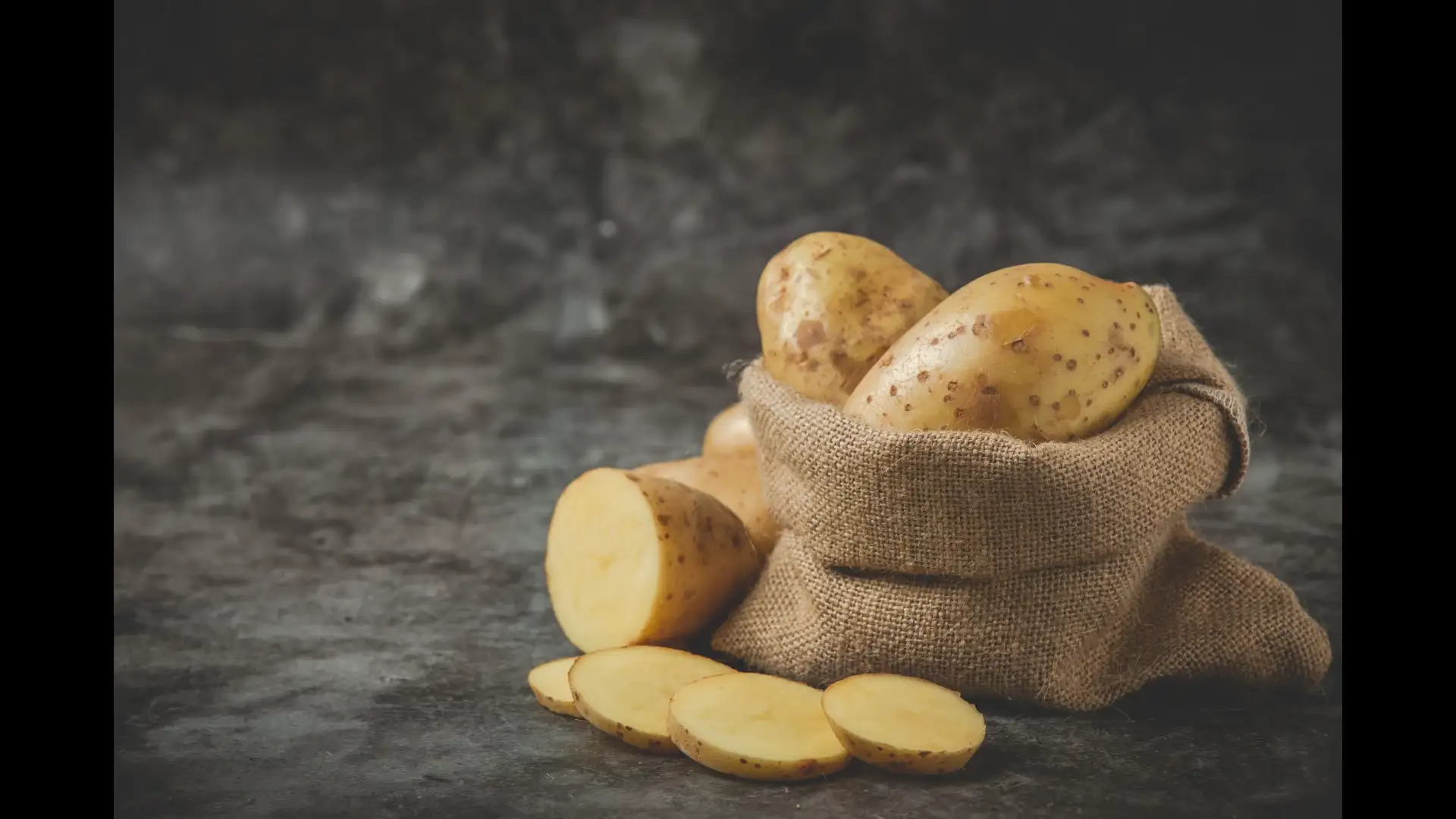
At elevations where maize would not grow and frost came without warning, the potato was the crop that held communities together.
By the time Spanish conquistadors arrived in the sixteenth century, Andean farmers had cultivated thousands of distinct varieties, each suited to a particular altitude, soil, or season.
The Spanish took the potato back to Europe not as a food crop but as a curiosity. Early European accounts described it as strange, possibly poisonous, and not quite food. It belonged to the nightshade family, and that association made botanists cautious and farmers reluctant.
What changed was pressure. A series of grain failures across Europe in the seventeenth and eighteenth centuries forced governments and landlords to look at crops that could produce more calories per acre on land that wheat had given up on.
Ireland adopted the potato earliest and most completely, which made what followed in the 1840s catastrophic: when a water mould called Phytophthora infestans swept through Irish fields, the dependence on a single variety left no fallback.
The famine that followed killed roughly one million people and drove another million or more to emigrate, reshaping the demographics of Ireland, Britain, and the eastern United States in a single decade.
The lesson that a food system built around one variety of one crop is a system waiting to fail is one plant scientists still cite when they argue for preserving the genetic diversity that still exists in the Andes.
By the late eighteenth century, the crop had taken hold in Bengal and the hills of northern India, where the British East India Company actively encouraged its cultivation as a reliable food source.
In India, the potato found soils and climates it had never encountered in the Andes and adapted to both. It moved into the Punjab, into Maharashtra, into the hills of Himachal Pradesh. It entered Indian cooking not as a foreign ingredient but as something that seemed always to have been there folded into sabzis, stuffed into parathas, mashed alongside rice, and fried into the street food that defines city eating across the country.
The aloo tikki, the batata vada, the dum aloo of Kashmir: these are dishes that feel ancient and are, in historical terms, quite new.
It also contains enough vitamin C that populations eating it as a staple were largely protected from scurvy—a benefit that took a long time to understand and longer still to document.
The crop carried a political dimension as well. Because it grew underground, it was harder for armies to destroy than a field of grain standing above the soil. In regions where war or raiding was a recurring threat, a root crop had a strategic value that no cereal could match.
Frederick the Great of Prussia ordered its cultivation partly for this reason, though the folklore that clusters around him and the potato is difficult to separate from historical record.
This narrowing of genetic diversity is what made the Irish famine possible in the first place, and it remains a concern today. The International Potato Center, based in Lima, Peru, maintains a gene bank of thousands of wild and cultivated varieties, preserving the genetic range that the Andes produced and that the world's food systems quietly depend on.
The potato that arrived on a Spanish ship as a botanical curiosity now feeds more people than any other non-grain crop on earth. It got there not through marketing or fashion, but through a straightforward deal: it grew where other crops would not, it fed people when other foods ran out, and it adapted to whatever kitchen it entered.
The Andes are still there, still growing varieties few outside the region have tasted, still holding the genetic depth that made the whole journey possible.
At elevations where maize would not grow and frost came without warning, the potato was the crop that held communities together.
The Andes Before Columbus
The Inca Empire ran on the potato. Farmers on the altiplano developed a preservation technique, freeze-drying tubers in the cold night air and pressing out the moisture underfoot, that produced a product called chuño, which could be stored for years. Chuño fed armies, stocked warehouses against drought, and moved with traders across the Inca road network.By the time Spanish conquistadors arrived in the sixteenth century, Andean farmers had cultivated thousands of distinct varieties, each suited to a particular altitude, soil, or season.
The Spanish took the potato back to Europe not as a food crop but as a curiosity. Early European accounts described it as strange, possibly poisonous, and not quite food. It belonged to the nightshade family, and that association made botanists cautious and farmers reluctant.
The Long Wait in Europe
For roughly a century, the potato sat in European botanical gardens and on the tables of the curious wealthy, eaten more as a novelty than a staple. The suspicion was not entirely irrational: the leaves, sprouts, and green skin of a potato do contain solanine, a toxic compound, though the tuber itself was safe, filling, and far easier to grow than wheat on poor or hilly land.What changed was pressure. A series of grain failures across Europe in the seventeenth and eighteenth centuries forced governments and landlords to look at crops that could produce more calories per acre on land that wheat had given up on.
Ireland adopted the potato earliest and most completely, which made what followed in the 1840s catastrophic: when a water mould called Phytophthora infestans swept through Irish fields, the dependence on a single variety left no fallback.
The famine that followed killed roughly one million people and drove another million or more to emigrate, reshaping the demographics of Ireland, Britain, and the eastern United States in a single decade.
The lesson that a food system built around one variety of one crop is a system waiting to fail is one plant scientists still cite when they argue for preserving the genetic diversity that still exists in the Andes.
Crossing into Asia and India
The Portuguese, who had trading posts along the western Indian coast from the early sixteenth century, are generally credited with bringing the potato to the subcontinent, though the exact route and timing remain debated among historians.By the late eighteenth century, the crop had taken hold in Bengal and the hills of northern India, where the British East India Company actively encouraged its cultivation as a reliable food source.
In India, the potato found soils and climates it had never encountered in the Andes and adapted to both. It moved into the Punjab, into Maharashtra, into the hills of Himachal Pradesh. It entered Indian cooking not as a foreign ingredient but as something that seemed always to have been there folded into sabzis, stuffed into parathas, mashed alongside rice, and fried into the street food that defines city eating across the country.
The aloo tikki, the batata vada, the dum aloo of Kashmir: these are dishes that feel ancient and are, in historical terms, quite new.
You may also like
- In 1981, Virginia recycled 7.85 miles of Route 220 into new asphalt using about 40% of the old road; two years later, the Franklin County pavement was performing well
- In 1943, Army Airborne serviceman Jim Rudy recorded a voice letter for his wife; 74 years later, their daughter found the forgotten disc and heard his voice again
- PM Modi reaffirms India's support for ASEAN unity, centrality at Manila summit
- Five injured as protesters clash with Bangladesh NCP leaders in London
- AI investments must deliver profits to avoid Bubble, Baidu CEO warns
Why It Took Over the World
The potato's global spread was not an accident of taste. It succeeded because it solved real problems. It produces more calories per unit of land than most grains. It grows in soils too thin or acidic for wheat. It stores reasonably well without processing.It also contains enough vitamin C that populations eating it as a staple were largely protected from scurvy—a benefit that took a long time to understand and longer still to document.
The crop carried a political dimension as well. Because it grew underground, it was harder for armies to destroy than a field of grain standing above the soil. In regions where war or raiding was a recurring threat, a root crop had a strategic value that no cereal could match.
Frederick the Great of Prussia ordered its cultivation partly for this reason, though the folklore that clusters around him and the potato is difficult to separate from historical record.
The Variety That Feeds the World Now
Of the thousands of varieties that Andean farmers developed over millennia, global commercial agriculture settled on a handful. The Russet Burbank, developed in the United States in the nineteenth century, became the standard for the industrial food system and remains the variety behind most of the world's french fries, while specialized round varieties dominate the potato chip industry.This narrowing of genetic diversity is what made the Irish famine possible in the first place, and it remains a concern today. The International Potato Center, based in Lima, Peru, maintains a gene bank of thousands of wild and cultivated varieties, preserving the genetic range that the Andes produced and that the world's food systems quietly depend on.
The potato that arrived on a Spanish ship as a botanical curiosity now feeds more people than any other non-grain crop on earth. It got there not through marketing or fashion, but through a straightforward deal: it grew where other crops would not, it fed people when other foods ran out, and it adapted to whatever kitchen it entered.
The Andes are still there, still growing varieties few outside the region have tasted, still holding the genetic depth that made the whole journey possible.






Loving Newspoint? Download the app now
