
Iran Launches Attacks on Bahrain, Kuwait and Jordan After US Strikes on Nuclear Site

The situation in the Middle East is getting worse. Iran launched a round of missile and drone attacks on Bahrain, Kuwait and Jordan. This happened after the United States attacked a nuclear facility. These attacks have been the most serious in the region for a long time. People are worried that the conflict will spread to countries in the Gulf.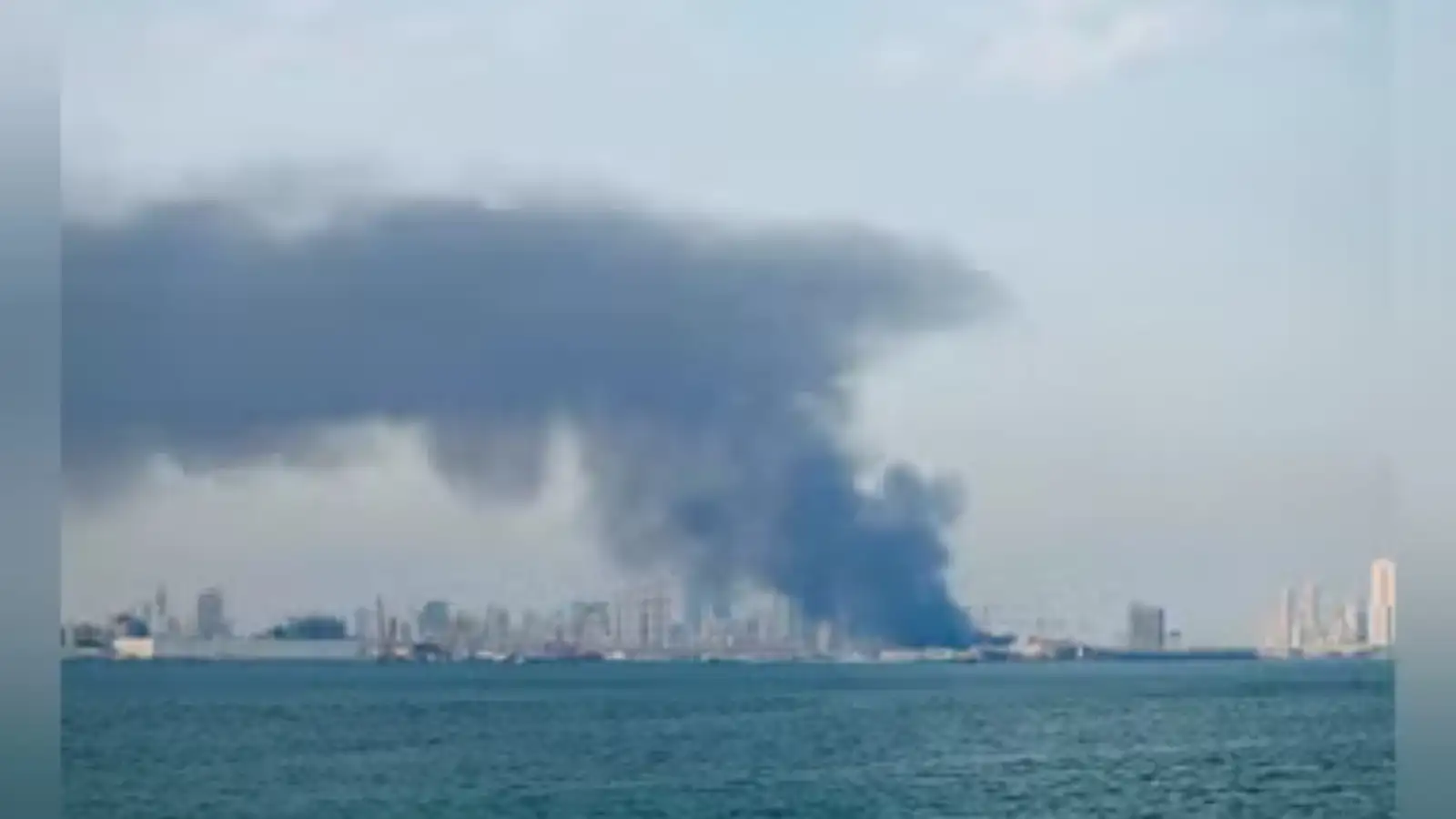
Iran said it was targeting bases that the United States and its allies use in these countries. The attacks came after the United States hit military and nuclear targets.
In Kuwait, officials reported attacks that affected critical infrastructure, including areas near power and water facilities. Emergency crews responded to a fire at a power installation after one of the strikes, while the country's air defence units worked to intercept additional drones and missiles.
Jordan also activated its air defence network and intercepted several incoming projectiles. The Jordanian government condemned the attacks, describing them as a violation of regional stability, and summoned Iran's chargé d'affaires to protest the strikes.
The Strait of Hormuz, through which roughly a fifth of the world's oil supply passes, remains at the centre of the crisis. Iranian officials have warned that commercial shipping in the waterway will remain at risk as long as US military operations continue. Meanwhile, oil prices have climbed amid concerns over potential disruptions to energy supplies.
With missile attacks, airstrikes and heightened military deployments continuing across the region, the situation remains highly volatile. Analysts say the coming days will be crucial in determining whether diplomatic efforts can prevent the conflict from expanding into a wider regional war.
Iran said it was targeting bases that the United States and its allies use in these countries. The attacks came after the United States hit military and nuclear targets.
Bahrain, Kuwait and Jordan Respond
Authorities in Bahrain activated air raid sirens and urged residents to seek shelter as projectiles were detected approaching the kingdom. Bahrain's air defence systems were deployed to intercept incoming threats, while emergency services remained on high alert.In Kuwait, officials reported attacks that affected critical infrastructure, including areas near power and water facilities. Emergency crews responded to a fire at a power installation after one of the strikes, while the country's air defence units worked to intercept additional drones and missiles.
Jordan also activated its air defence network and intercepted several incoming projectiles. The Jordanian government condemned the attacks, describing them as a violation of regional stability, and summoned Iran's chargé d'affaires to protest the strikes.
You may also like
- Who is Kanishka Narayan, Bihar-born MP picked as UK's AI minister in Andy Burnham's cabinet
- Meet the 73-year-old baby cuddler from Virginia: He has comforted more than 500 premature babies and whispers, 'Grow strong, grow smart, grow kind' before leaving each one
- A mystery wreck off the English coast was identified in 2023 as a Dutch warship sunk in a 1672 ambush, still loaded with the Italian marble it was carrying home
- Afghanistan: 20 killed, over 80 injured in floods in Nuristan's Parun
- In 2021, a destroyer sunk in a 1944 battle became the deepest shipwreck ever visited, 6.4 kilometres down, filmed by a crewed submersible on a record-setting wreck dive
US Continues Military Operations
The United States hit military targets to stop Iran from threatening American troops and ships. The US says it is defending itself. Iran says the United States is violating its rights and will retaliate if the United States keeps attacking. People are getting more and more worried about the security of the region.Growing Concerns Over Regional Security
The latest exchange has intensified fears of a broader regional conflict involving multiple Gulf states. Security analysts warn that continued attacks on military bases, energy infrastructure and shipping routes could have significant consequences for global oil markets and international trade.The Strait of Hormuz, through which roughly a fifth of the world's oil supply passes, remains at the centre of the crisis. Iranian officials have warned that commercial shipping in the waterway will remain at risk as long as US military operations continue. Meanwhile, oil prices have climbed amid concerns over potential disruptions to energy supplies.
Diplomatic Efforts Face Fresh Challenges
Despite repeated international calls for restraint, prospects for diplomacy appear increasingly uncertain. Regional governments and global powers have urged both Washington and Tehran to avoid further escalation, warning that continued military exchanges could destabilise the wider Middle East.With missile attacks, airstrikes and heightened military deployments continuing across the region, the situation remains highly volatile. Analysts say the coming days will be crucial in determining whether diplomatic efforts can prevent the conflict from expanding into a wider regional war.






Loving Newspoint? Download the app now
