
Kumamoto Earthquake: 7.1-Magnitude Quake Leaves 13 Dead, Massive Rescue Underway

Emergency response teams across southern Japan are working around the clock to search for survivors following a powerful magnitude 7.1 earthquake that struck Kumamoto Prefecture on Tuesday afternoon. The severe tremor destroyed structures, buckled major highways, and left tens of thousands of homes without electricity across the island of Kyushu.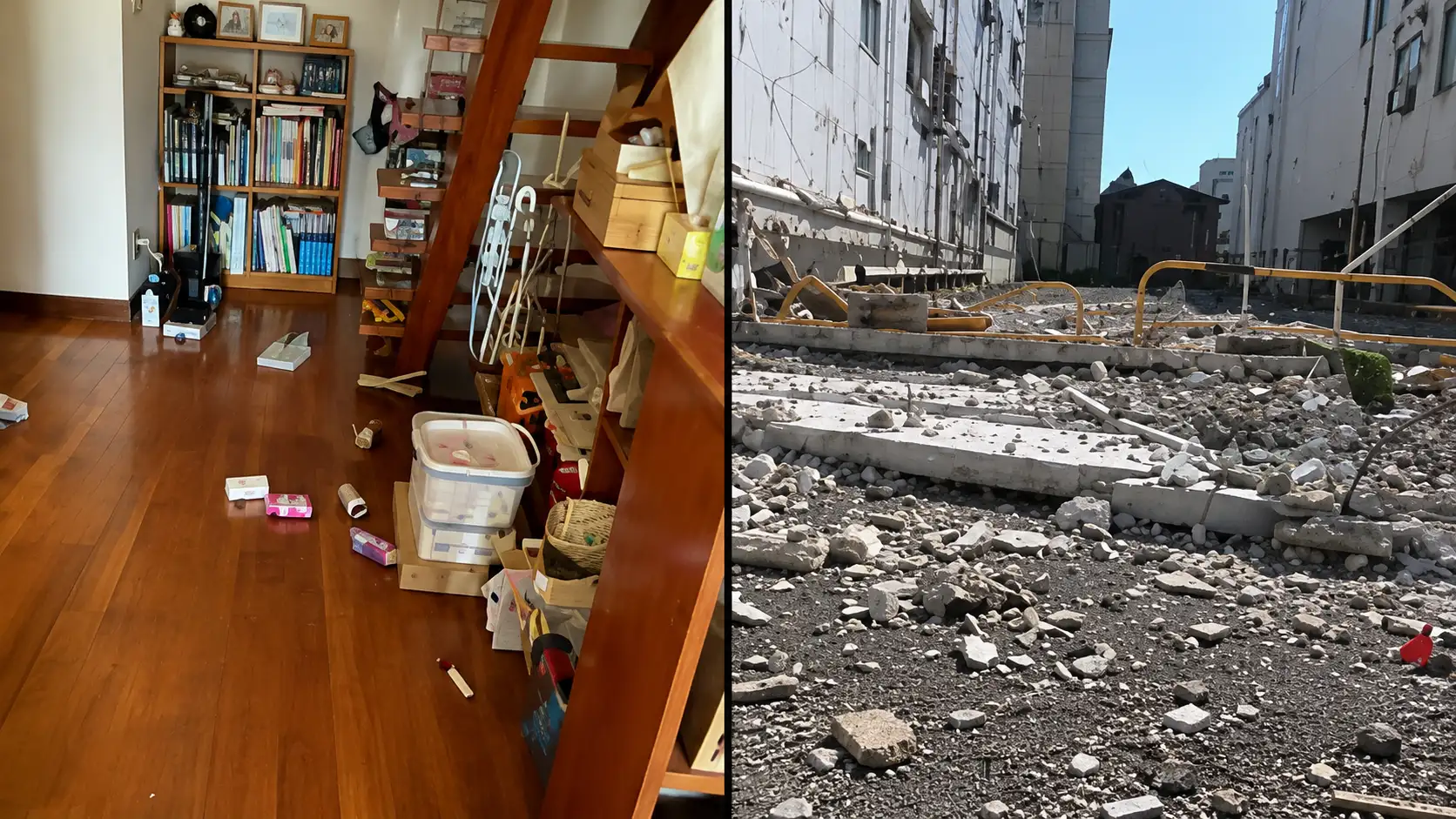
According to the Japan Meteorological Agency (JMA), the main shock occurred at 4:27 p.m. local time at a shallow depth of approximately 10 kilometres. The shallow focus amplified ground shaking across wide swathes of the region. Initial tsunami advisories issued for the Ariake and Yatsushiro seas caused widespread panic along coastal zones before being lifted roughly two hours later when significant waves failed to materialise.
The most intensive rescue effort is taking place in Kashima Town, where a portion of the multi-story Aeon Mall collapsed shortly after the quake. Eyewitnesses reported hearing a loud explosion suspected to have been caused by a severed gas main followed by heavy clouds of dust and smoke rising above the shopping complex. Dozens of shoppers and retail workers were trapped under falling concrete and metal girders, prompting police, firefighters, and Self-Defense Forces to deploy specialized search equipment and sniffer dogs.
Fatalities were also reported in Yatsushiro City, where the industrial chimney of a paper factory collapsed, killing two workers and trapping nine others inside the damaged plant. In addition, several foreign workers were affected, including a Vietnamese national who died when a construction crane overturned in Kōsa.
Power supply was severely hit, leaving approximately 45,000 households without electricity during the intense summer heat. Authorities opened emergency shelters in community halls, schools, and gymnasiums equipped with backup generators to provide shelter, fresh water, and air conditioning for displaced residents.
Inspection crews immediately assessed nuclear power plants in the region, including the Sendai nuclear station in Kagoshima. Authorities reported no operational abnormalities or elevated radiation levels, offering relief to a nation sensitive to seismic nuclear risks.
Addressing the nation during the official briefing, Prime Minister Takaichi stated:
"At this critical juncture, with saving lives as our highest priority, we must minimize the damage as much as possible and ensure the safety of the public by mobilizing the full capabilities of the Government while working closely with local governments."
She later highlighted the urgency facing search operations in Tokyo, stating:
"More than 20 hours have now passed since the earthquake struck, yet there are still people waiting to be rescued. It is truly a race against time."
Seismologists warn that the regional fault lines remain highly active and could produce further significant tremors in the coming days. Residents across Kyushu have been instructed to avoid damaged structures and stay prepared for potential aftershocks.
According to the Japan Meteorological Agency (JMA), the main shock occurred at 4:27 p.m. local time at a shallow depth of approximately 10 kilometres. The shallow focus amplified ground shaking across wide swathes of the region. Initial tsunami advisories issued for the Ariake and Yatsushiro seas caused widespread panic along coastal zones before being lifted roughly two hours later when significant waves failed to materialise.
Fatalities and Search for the Missing
Government officials confirmed that at least 13 people have lost their lives, with nearly 400 others receiving treatment for injuries ranging from minor fractures to severe trauma. Scores of residents remain missing as search parties clear debris from collapsed buildings.The most intensive rescue effort is taking place in Kashima Town, where a portion of the multi-story Aeon Mall collapsed shortly after the quake. Eyewitnesses reported hearing a loud explosion suspected to have been caused by a severed gas main followed by heavy clouds of dust and smoke rising above the shopping complex. Dozens of shoppers and retail workers were trapped under falling concrete and metal girders, prompting police, firefighters, and Self-Defense Forces to deploy specialized search equipment and sniffer dogs.
Fatalities were also reported in Yatsushiro City, where the industrial chimney of a paper factory collapsed, killing two workers and trapping nine others inside the damaged plant. In addition, several foreign workers were affected, including a Vietnamese national who died when a construction crane overturned in Kōsa.
You may also like
- In 1999, an Oregon engineer spent $100,000 on a retired Boeing 727 and turned it into a home deep in the forest
- Defending 32 killings, Pakistani minister labels PoK protesters 'India-like enemies'
- Ancient footprints found in Kenya reveal how early human relatives may have travelled and lived together 1.43 million years ago
- Calls for global intervention grow amid brutal crackdown by Pakistani forces on PoK protesters
- 'Starship Refuses To Sink': Elon Musk's Ocean Video Sparks Debate Over SpaceX Recovery
Severe Infrastructure Damage and Transport Chaos
The violence of the tremors inflicted heavy damage on local transport networks and public utilities. A freight train derailed near Yatsushiro Station, though crew members miraculously avoided critical injuries. Key bridges along regional routes suffered structural cracks or partial collapses, while sections of major roads split open, severing travel between Kumamoto and neighboring prefectures.Power supply was severely hit, leaving approximately 45,000 households without electricity during the intense summer heat. Authorities opened emergency shelters in community halls, schools, and gymnasiums equipped with backup generators to provide shelter, fresh water, and air conditioning for displaced residents.
Inspection crews immediately assessed nuclear power plants in the region, including the Sendai nuclear station in Kagoshima. Authorities reported no operational abnormalities or elevated radiation levels, offering relief to a nation sensitive to seismic nuclear risks.
Government Response and Official Directives
Prime Minister Sanae Takaichi convened the Emergency Headquarters for the 2026 Kumamoto Earthquake at the Prime Minister’s Office in Tokyo to coordinate national relief logistics and military deployments.Addressing the nation during the official briefing, Prime Minister Takaichi stated:
"At this critical juncture, with saving lives as our highest priority, we must minimize the damage as much as possible and ensure the safety of the public by mobilizing the full capabilities of the Government while working closely with local governments."
She later highlighted the urgency facing search operations in Tokyo, stating:
"More than 20 hours have now passed since the earthquake struck, yet there are still people waiting to be rescued. It is truly a race against time."
Seismologists warn that the regional fault lines remain highly active and could produce further significant tremors in the coming days. Residents across Kyushu have been instructed to avoid damaged structures and stay prepared for potential aftershocks.






Loving Newspoint? Download the app now
