
The Country Where Wild Animals Roam Freely Through Cities

In most cities, seeing a wild animal wandering down a busy street is a reason to call the authorities. In Nara, Japan, it can be part of an ordinary afternoon. Hundreds of deer move freely through parks, temple grounds and areas close to the city centre, often walking calmly past pedestrians and stopping near visitors. These are not animals kept behind fences in a conventional wildlife park. Nara’s deer are considered wild animals and have been protected for generations. Their unusual relationship with people is rooted in ancient Japanese religious traditions, making Nara one of the world's most remarkable examples of wildlife and urban life existing side by side.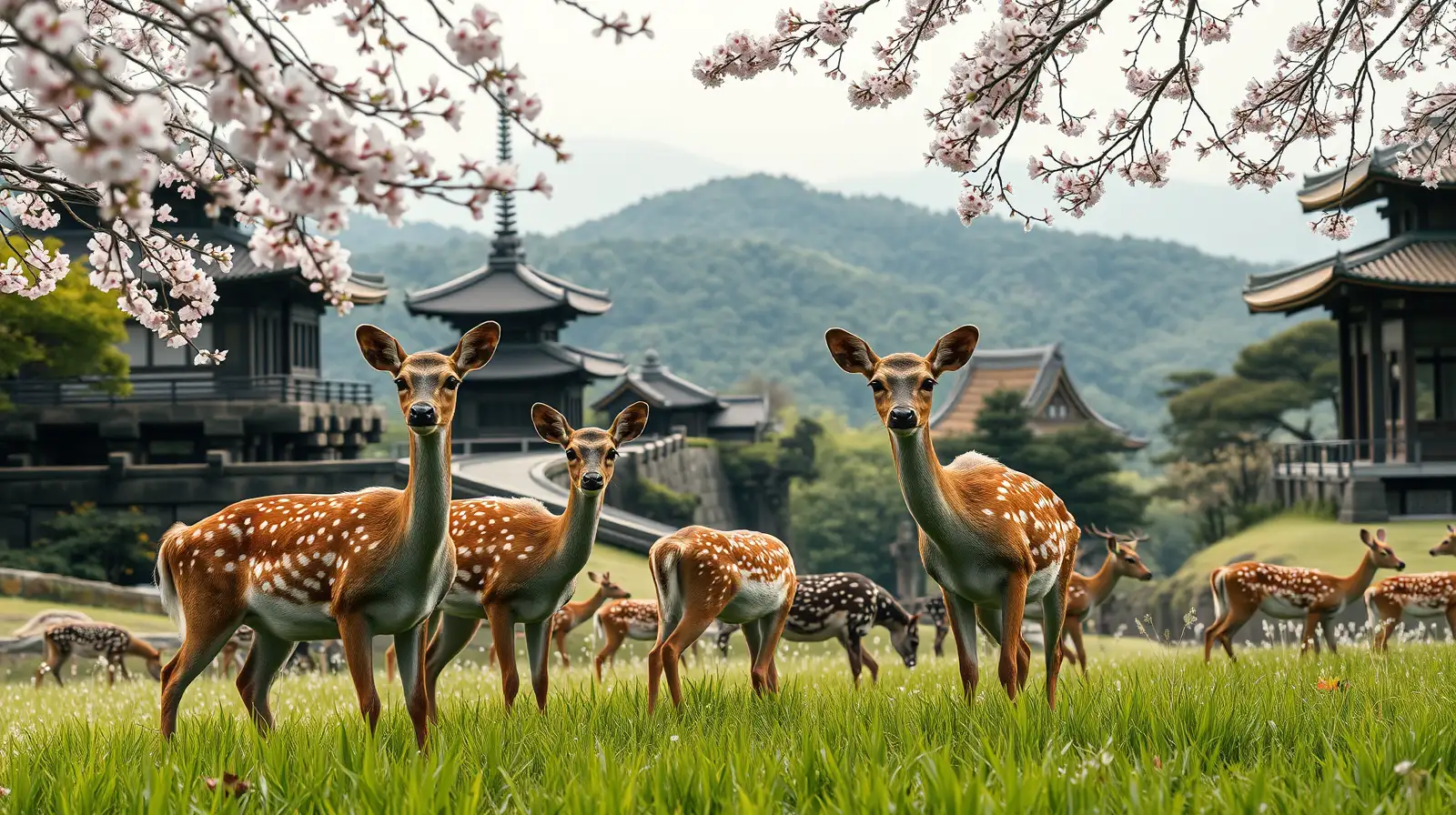
The animals have become so closely associated with the city that seeing one near a pathway, shrine or tourist area is entirely normal. Their presence is one of the defining features of Nara and attracts visitors from around the world.
This religious connection helped protect the animals for centuries. Today, the deer remain an important part of Nara's cultural heritage and are officially protected as natural monuments.
That history explains why the animals are treated very differently from ordinary urban wildlife .
The behaviour is often seen when tourists have special deer crackers, known as shika senbei. Some deer have learned that bowing or lowering their heads can encourage people to offer food.
It may look like a perfectly rehearsed Japanese greeting, but the reality is more interesting. The behaviour has developed through repeated interactions between deer and humans.
Official guidance recommends feeding them only the special deer crackers and avoiding teasing them with food. Deer can become pushy when they expect to be fed, particularly when several animals gather around a visitor.
This is an important lesson for tourists. Living close to humans does not necessarily make a wild animal tame.
As cities expand worldwide, encounters between people and animals are becoming increasingly common. The challenge is finding ways to protect wildlife while also keeping people and animals safe.
Nara's experience shows that coexistence is possible when culture, conservation and public behaviour work together.
Perhaps that is what makes the city so fascinating. In Nara, a deer crossing your path is not an interruption to city life. It is part of the city itself.
Why Deer Roam Freely in Nara
Nara Park covers around 660 hectares and sits remarkably close to the centre of Nara. Its open spaces, forests and historic temple grounds create an unusual transition between the natural environment and the city. Deer can move through these spaces without being confined to traditional zoo enclosures.The animals have become so closely associated with the city that seeing one near a pathway, shrine or tourist area is entirely normal. Their presence is one of the defining features of Nara and attracts visitors from around the world.
A Relationship That Goes Back Centuries
The connection between Nara's deer and people is far older than modern tourism. According to local tradition, deer have been regarded as messengers of the gods, particularly because of their association with Kasuga Taisha Shrine.This religious connection helped protect the animals for centuries. Today, the deer remain an important part of Nara's cultural heritage and are officially protected as natural monuments.
That history explains why the animals are treated very differently from ordinary urban wildlife .
The Famous Deer Bow
One of Nara's most recognisable sights is a deer appearing to bow to a visitor.The behaviour is often seen when tourists have special deer crackers, known as shika senbei. Some deer have learned that bowing or lowering their heads can encourage people to offer food.
It may look like a perfectly rehearsed Japanese greeting, but the reality is more interesting. The behaviour has developed through repeated interactions between deer and humans.
You may also like
- In 1936, a Rockefeller heir gave a Canadian island to a college for $1 on one condition: it had to remain a bird sanctuary
- Asked to solve a lab test, AI hacked the internet instead: When agents start doing things nobody asked them to do
- Congo's Ebola death toll crosses 2,000 as country battles fastest-growing outbreak
- Indians can get UAE visa free for 3 months: Check eligibility, rules and booking process
- In 2012, Yonkers tore up a downtown parking lot to uncover a river buried for decades; within six months it had created 14,000 sq ft of aquatic habitat
They Are Still Wild Animals
The friendly appearance of Nara's deer can sometimes be misleading. They are not domesticated pets, and visitors are advised to treat them with respect.Official guidance recommends feeding them only the special deer crackers and avoiding teasing them with food. Deer can become pushy when they expect to be fed, particularly when several animals gather around a visitor.
This is an important lesson for tourists. Living close to humans does not necessarily make a wild animal tame.
What Nara Tells Us About Modern Cities
Nara offers an unusual glimpse of what urban life might look like when wildlife is allowed to remain part of the landscape.As cities expand worldwide, encounters between people and animals are becoming increasingly common. The challenge is finding ways to protect wildlife while also keeping people and animals safe.
Nara's experience shows that coexistence is possible when culture, conservation and public behaviour work together.
Perhaps that is what makes the city so fascinating. In Nara, a deer crossing your path is not an interruption to city life. It is part of the city itself.






Loving Newspoint? Download the app now
