
5 Types of People Who Should Not Eat Papaya: Health Risks Explained

Papaya is widely praised as a nutrient-rich superfruit, but the truth is that 5 types of people who should not eat papaya need to be extra cautious due to possible health risks. While it supports digestion, immunity, and skin health for many, it may not suit everyone in the same way. Depending on a person’s health condition, medications, or body sensitivity, papaya can sometimes do more harm than good rather than offering benefits.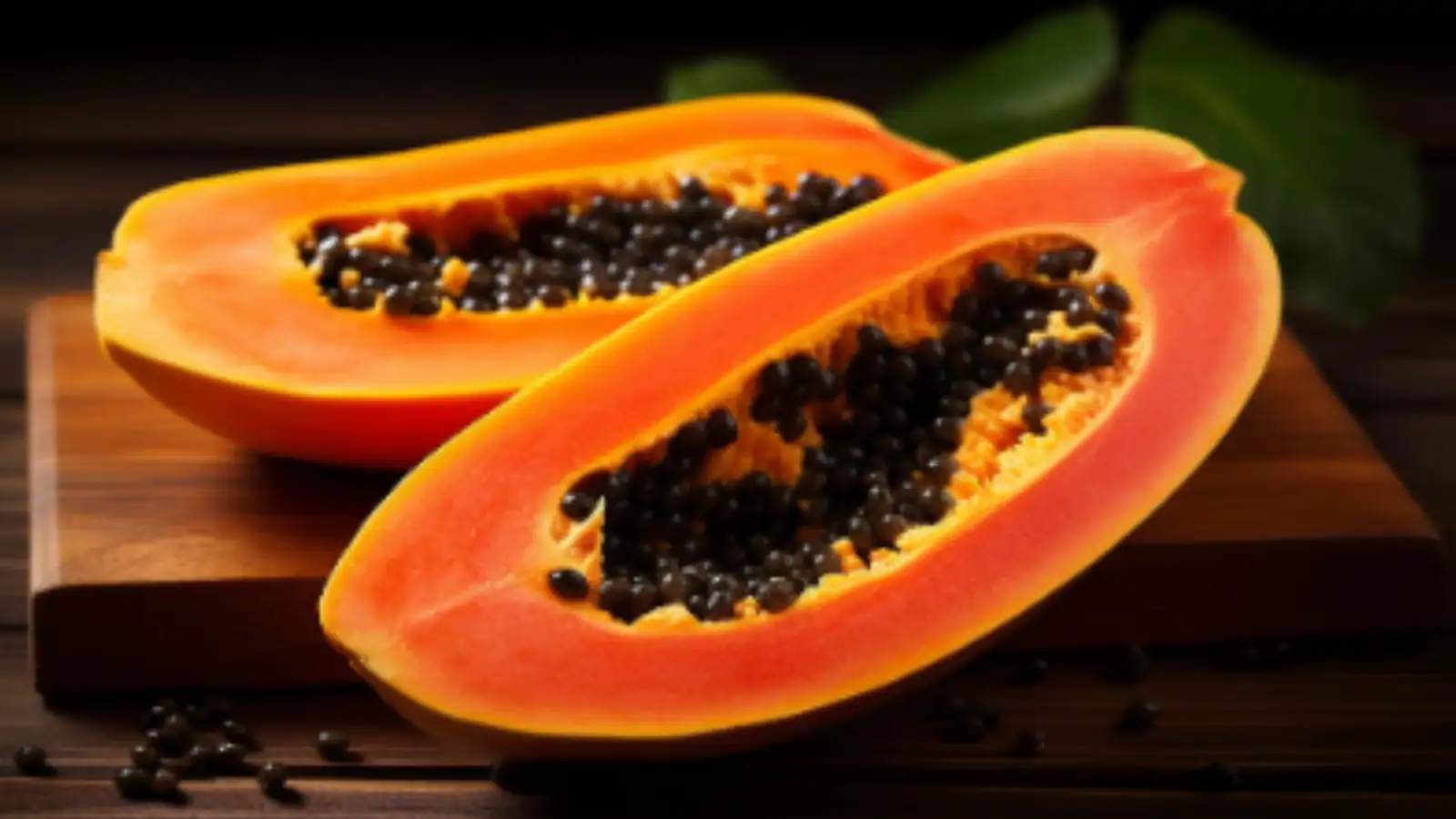
Below is a clear breakdown of who should avoid or limit papaya intake and why it may not be safe for them.
1. Pregnant Women Should Be Careful with Papaya Consumption
Papaya, especially when raw or semi-ripe, may not be safe during pregnancy.
Unripe papaya contains a latex-like substance that can sometimes stimulate uterine activity. This is why it has traditionally been linked with risks during early pregnancy. In some cases, it may increase contractions, which is why many health experts advise avoiding it during this stage.
Even though ripe papaya is generally considered safer in small amounts, caution is still recommended.
Why caution is important:
For expecting mothers, it is always best to consult a doctor before including papaya regularly in the diet.
2. People with Latex Allergies May Face Cross-Reactions
There is a strong biological link between papaya and natural latex proteins.
This means individuals who are allergic to latex may also react to papaya due to a condition known as latex-fruit cross-reactivity. The immune system can mistakenly identify papaya proteins as latex, triggering allergic responses.
Possible symptoms include:
This condition often goes unnoticed until a reaction occurs, making it important for latex-sensitive individuals to be cautious.
3. People on Blood-Thinning Medication Should Limit Intake
Papaya may interfere with blood clotting in people using anticoagulant medicines.
The fruit contains compounds that may naturally influence blood thinning, which can intensify the effects of medications like warfarin or similar drugs. This may increase the risk of bleeding issues.
Warning signs of interaction may include:
The risk usually arises from regular or excessive consumption rather than occasional intake, but medical supervision is strongly advised.
4. Diabetic Individuals Need to Monitor Portion Size
Papaya is often labelled as diabetes-friendly, but portion control is crucial.
Although it contains fibre and beneficial nutrients, ripe papaya still has natural sugars that can impact blood glucose levels. Overeating it may lead to unexpected sugar spikes, especially in people with poorly controlled diabetes.
Important considerations:
Papaya can be included in a diabetic diet, but only in controlled portions with proper monitoring.
5. People with Digestive Disorders May Experience Discomfort
Papaya is known for aiding digestion, but it is not suitable for everyone with gut issues.
It contains papain, an enzyme that helps break down proteins, but in sensitive individuals, this enzyme can sometimes irritate the stomach instead of soothing it.
People with conditions such as IBS, gastritis, acid reflux, or ulcers may experience:
Unripe papaya, in particular, can be harder to digest and may worsen symptoms.
Papaya Is Healthy, But Not for Everyone
Papaya remains a highly nutritious fruit packed with antioxidants, vitamins, and digestive enzymes. However, as seen above, the idea that all healthy foods suit every body is misleading.
For some individuals - especially pregnant women, allergy sufferers, diabetic patients, those on blood thinners, and people with digestive disorders - papaya can shift from beneficial to problematic.
The key takeaway is simple: nutrition is personal. Understanding how your body responds to specific foods is far more important than following general health trends.
Below is a clear breakdown of who should avoid or limit papaya intake and why it may not be safe for them.
1. Pregnant Women Should Be Careful with Papaya Consumption
Papaya, especially when raw or semi-ripe, may not be safe during pregnancy.
Unripe papaya contains a latex-like substance that can sometimes stimulate uterine activity. This is why it has traditionally been linked with risks during early pregnancy. In some cases, it may increase contractions, which is why many health experts advise avoiding it during this stage.
Even though ripe papaya is generally considered safer in small amounts, caution is still recommended.
Why caution is important:
- Raw papaya may trigger uterine contractions
- Higher risk during early pregnancy
- Unnecessary exposure to potential complications
For expecting mothers, it is always best to consult a doctor before including papaya regularly in the diet.
2. People with Latex Allergies May Face Cross-Reactions
There is a strong biological link between papaya and natural latex proteins.
This means individuals who are allergic to latex may also react to papaya due to a condition known as latex-fruit cross-reactivity. The immune system can mistakenly identify papaya proteins as latex, triggering allergic responses.
Possible symptoms include:
- Itchy throat or mouth
- Skin rashes or hives
- Swelling of lips, tongue, or face
- Watery eyes and sneezing
- Breathing difficulty in severe cases
This condition often goes unnoticed until a reaction occurs, making it important for latex-sensitive individuals to be cautious.
3. People on Blood-Thinning Medication Should Limit Intake
Papaya may interfere with blood clotting in people using anticoagulant medicines.
The fruit contains compounds that may naturally influence blood thinning, which can intensify the effects of medications like warfarin or similar drugs. This may increase the risk of bleeding issues.
Warning signs of interaction may include:
- Frequent bruising
- Nosebleeds
- Slow blood clotting
- Dizziness or fatigue
The risk usually arises from regular or excessive consumption rather than occasional intake, but medical supervision is strongly advised.
4. Diabetic Individuals Need to Monitor Portion Size
Papaya is often labelled as diabetes-friendly, but portion control is crucial.
Although it contains fibre and beneficial nutrients, ripe papaya still has natural sugars that can impact blood glucose levels. Overeating it may lead to unexpected sugar spikes, especially in people with poorly controlled diabetes.
You may also like
Important considerations:
- Natural sugar content still affects blood sugar
- Overconsumption may cause fluctuations
- Ripeness level changes glycaemic impact
Papaya can be included in a diabetic diet, but only in controlled portions with proper monitoring.
5. People with Digestive Disorders May Experience Discomfort
Papaya is known for aiding digestion, but it is not suitable for everyone with gut issues.
It contains papain, an enzyme that helps break down proteins, but in sensitive individuals, this enzyme can sometimes irritate the stomach instead of soothing it.
People with conditions such as IBS, gastritis, acid reflux, or ulcers may experience:
- Bloating and gas
- Stomach cramps
- Acid irritation
- Loose motions in some cases
Unripe papaya, in particular, can be harder to digest and may worsen symptoms.
Papaya Is Healthy, But Not for Everyone
Papaya remains a highly nutritious fruit packed with antioxidants, vitamins, and digestive enzymes. However, as seen above, the idea that all healthy foods suit every body is misleading.
For some individuals - especially pregnant women, allergy sufferers, diabetic patients, those on blood thinners, and people with digestive disorders - papaya can shift from beneficial to problematic.
The key takeaway is simple: nutrition is personal. Understanding how your body responds to specific foods is far more important than following general health trends.






More from our partners


Loving Newspoint? Download the app now
