
How To Spot Fake Black Pepper: 5 Easy Kitchen Tests

Black pepper is a staple in kitchens across India, adding flavour and aroma to countless dishes. However, not every peppercorn available in the market is genuine. Cases of black pepper adulteration have become increasingly common, with fake pepper often mixed with papaya seeds, dried berries or chemically treated grains that closely resemble real pepper.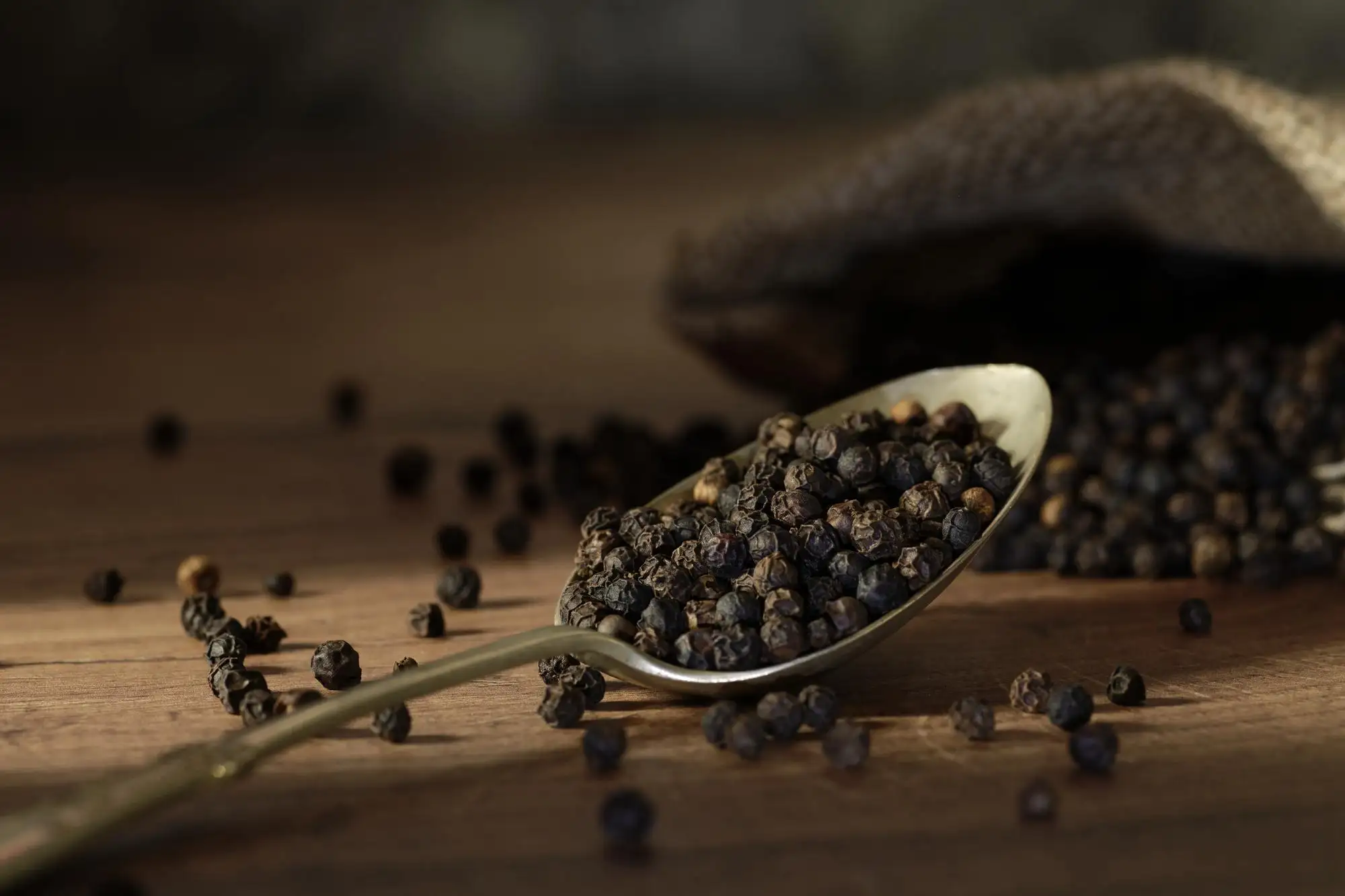
The good news is that you do not need specialised equipment to identify pure black pepper . A few simple checks at home can help you distinguish authentic peppercorns from adulterated ones before they reach your plate.
Among the many black pepper benefits , it is known to support digestion, promote metabolism and contain natural antioxidant and anti-inflammatory properties. This high demand also makes it a common target for food adulteration .
Also Read: Buying Almonds? These Easy Ways Can Help You Identify Fake Or Poor-Quality Nuts
Also Read: How To Identify Fake Cashews Before You Buy Them
With a few simple kitchen tests, you can confidently identify pure black pepper and reduce the risk of food adulteration in your everyday cooking. A little extra attention while shopping can make a big difference to both flavour and food safety.
The good news is that you do not need specialised equipment to identify pure black pepper . A few simple checks at home can help you distinguish authentic peppercorns from adulterated ones before they reach your plate.
Why Black Pepper Is So Valuable
Often called the "King of Spices", black pepper has been treasured for centuries for both its flavour and health benefits. Rich in piperine, it enhances the taste of food while helping the body absorb nutrients more efficiently.Among the many black pepper benefits , it is known to support digestion, promote metabolism and contain natural antioxidant and anti-inflammatory properties. This high demand also makes it a common target for food adulteration .
Also Read: Buying Almonds? These Easy Ways Can Help You Identify Fake Or Poor-Quality Nuts
How Black Pepper Gets Adulterated
To maximise profits, dishonest sellers may mix cheaper materials with genuine peppercorns. Some of the most common adulterants include:- Papaya seeds that closely resemble peppercorns.
- Dried berries or other seeds.
- Mineral oil used to create an artificial shine.
- Powdered husk or sawdust mixed into ground pepper.
- Artificial colouring or harmful chemical coatings that make immature pepper appear fully ripened.
Health Risks of Fake Black Pepper
Using adulterated pepper can affect both flavour and wellbeing. Depending on the impurities present, it may lead to:- Digestive discomfort and stomach irritation.
- Reduced nutritional benefits due to the absence of piperine.
- Exposure to harmful chemicals or toxic substances.
- Long-term health concerns if contaminated products are consumed repeatedly.
You may also like
- Limits of Science And Freedom Of Inquiry
- Existential Laboratory (E-Lab): From Knowing To Experiencing
- Wamiqa Gabbi's bold pixie cut is giving Princess Diana elegance and Zendaya energy
- More than petrichor: Why rain makes us feel happier, calmer, even nostalgic
- How does an account get drained without even sharing the OTP?
5 Simple Kitchen Tests To Check Black Pepper
1. The Water Test
Place a handful of peppercorns into a glass of water. Genuine peppercorns are generally denser and sink, while lightweight adulterants such as papaya seeds are more likely to float. Keep in mind that a few real peppercorns may also float if they contain trapped air, so use this as an initial indicator rather than a final conclusion.2. The Smell Test
Crush a few peppercorns using your fingers or a mortar and pestle. Authentic black pepper releases a strong, spicy and earthy aroma almost immediately. Fake pepper often smells weak, stale or has little fragrance at all.3. The Texture Test
Real peppercorns are firm and difficult to crush. When ground, they produce a consistent powder with a rich aroma. Fake peppercorns may break apart too easily, crumble unevenly or produce very little scent.4. The Burn Test
Carefully place a few peppercorns on a metal spoon and heat them gently over a small flame. Genuine pepper releases a warm, spicy aroma, while fake substitutes may produce a bitter, unpleasant or rubber-like smell. Always perform this test cautiously in a well-ventilated area.5. The Colour Rub Test
Rub a few peppercorns between your palms. Genuine pepper has a naturally dull, wrinkled appearance and should not leave colour on your hands. If the surface colour rubs off easily, the pepper may have been artificially dyed.Also Read: How To Identify Fake Cashews Before You Buy Them
Tips to Buy Genuine Black Pepper
To reduce the chances of buying fake black pepper, follow these simple shopping habits:- Buy whole peppercorns instead of pre-ground pepper whenever possible.
- Choose products carrying recognised quality certifications such as FSSAI or Agmark.
- Avoid peppercorns with an unusually shiny appearance, as they may have been coated with mineral oil.
- Purchase spices from trusted brands or reliable local suppliers.
Store Pepper the Right Way
To preserve flavour and freshness, keep peppercorns in an airtight glass or stainless-steel container away from heat, moisture and direct sunlight. Grinding small batches only when needed helps retain their natural aroma and taste for longer.With a few simple kitchen tests, you can confidently identify pure black pepper and reduce the risk of food adulteration in your everyday cooking. A little extra attention while shopping can make a big difference to both flavour and food safety.






Loving Newspoint? Download the app now
