
The Ethics of Gatekeeping: Should Travellers Stop Sharing Their Secret Locations Online?

For decades, finding a "hidden gem", a pristine mountain lake, a quiet coastal village, or an undiscovered forest trail was the ultimate reward for adventurous travelers. Word of mouth, local guidance, and physical maps were the main tools of discovery.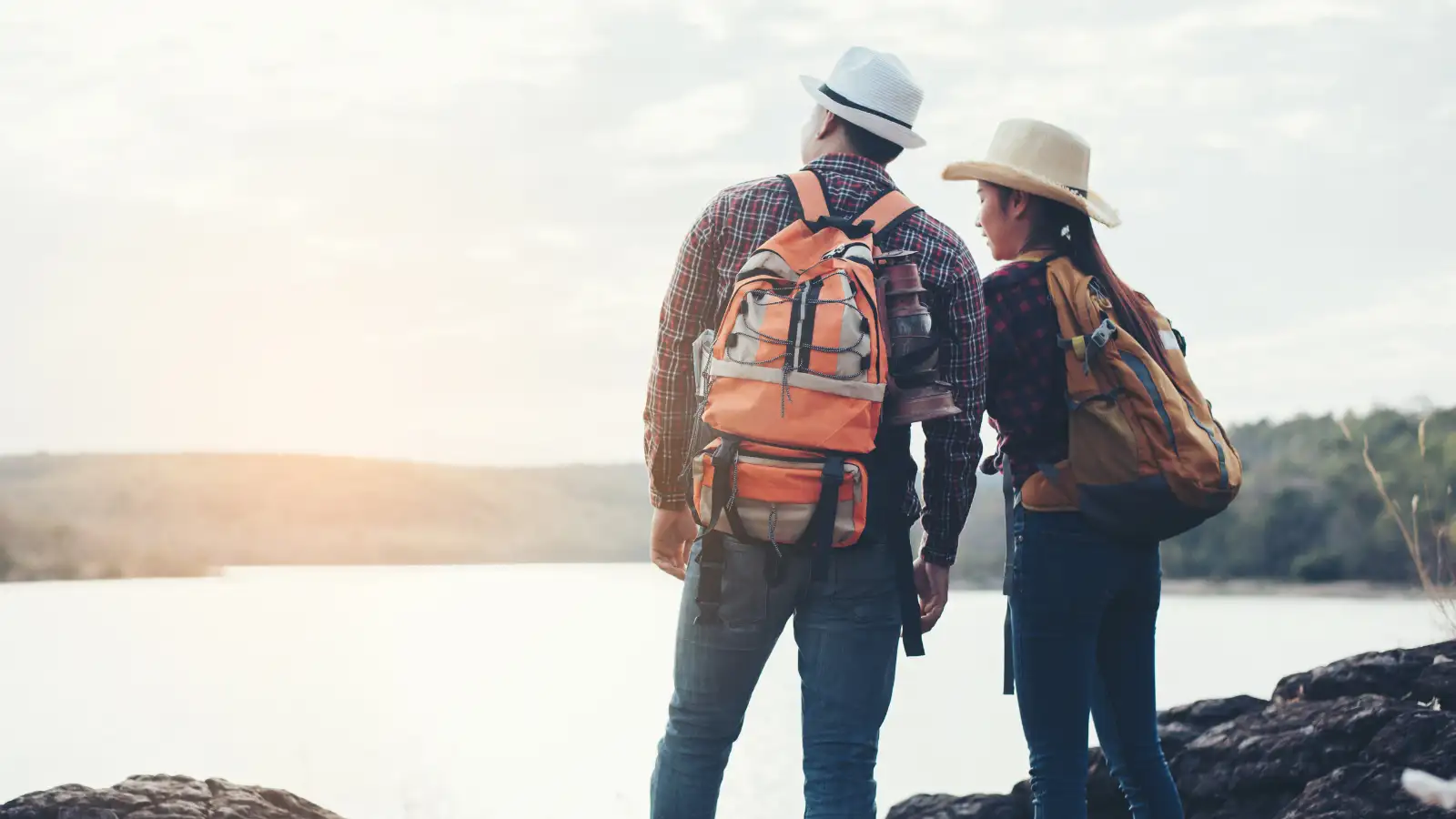
Today, a single viral reel with precise geotagging can broadcast an off-the-beaten-path location to millions of screens in hours. What follows is a predictable, destructive cycle: quiet natural sites become crowded overnight by visitors seeking the exact same photo, overwhelming fragile local infrastructure and disturbing resident wildlife.
In internet parlance, "gatekeeping" carries negative connotations of withholding information to maintain exclusive social status. However, within the travel community, the definition is undergoing a major ethical shift.
Environmental advocates and responsible travelers argue that keeping precise location details off public feeds is not about snobbery; it is a vital form of digital stewardship. By posting photos without hyper-specific GPS pins or exact coordinates, creators encourage followers to enjoy the aesthetic beauty while requiring genuine effort and research from those who truly wish to visit.
Transitioning toward ethical travel content does not mean you have to stop posting photos altogether. Instead, adoption of modern " digital Leave No Trace " guidelines is gaining momentum across eco-conscious communities:
Today, a single viral reel with precise geotagging can broadcast an off-the-beaten-path location to millions of screens in hours. What follows is a predictable, destructive cycle: quiet natural sites become crowded overnight by visitors seeking the exact same photo, overwhelming fragile local infrastructure and disturbing resident wildlife.
The Cost of Geotagging Fine-Print Locations
While sharing beautiful places online stems from a desire to inspire, unmanaged viral popularity creates severe real-world strain on local ecosystems:You may also like
- Three health checkups a year can reduce hospital costs, reveals report.
- Robotic Valve Replacement: Safdarjung sets world record, performs unique heart surgery with robot
- Ram Kapoor Opens Up About His Struggles on Lock Upp: A Journey Through Depression and Redemption
- Vastu Shastra: Remove these things from your house during the month of Shravan, they bring negativity. Click here to know more
- Flipkart follows in Zomato and Swiggy's footsteps! May launch food delivery service from August 15..
- Environmental Degradation: Fragile alpine meadows suffer from foot traffic erosion, plastic waste accumulates along untouched coastlines, and native wildlife alters natural behavioral patterns due to human intrusion.
- Strain on Local Infrastructure: Small villages with single-lane roads, minimal waste management systems, and limited parking facilities are quickly paralyzed by hundreds of daily cars and tour buses.
- Cultural Disruption: Residential peace is disrupted as private properties, sacred sites, and quiet community spaces turn into backdrop stages for social media content.
The Case for "Gatekeeping" as Environmental Care
In internet parlance, "gatekeeping" carries negative connotations of withholding information to maintain exclusive social status. However, within the travel community, the definition is undergoing a major ethical shift. Environmental advocates and responsible travelers argue that keeping precise location details off public feeds is not about snobbery; it is a vital form of digital stewardship. By posting photos without hyper-specific GPS pins or exact coordinates, creators encourage followers to enjoy the aesthetic beauty while requiring genuine effort and research from those who truly wish to visit.
Practicing Digital "Leave No Trace" Principles
Transitioning toward ethical travel content does not mean you have to stop posting photos altogether. Instead, adoption of modern " digital Leave No Trace " guidelines is gaining momentum across eco-conscious communities:- Tag Broadly, Not Specifically: Tag regional areas (e.g., "Western Ghats, India" or "Scottish Highlands") rather than pinning exact GPS coordinates of fragile spots.
- Promote Responsible Behavior: Use captions to educate followers on local rules, fire safety, litter pickup, and respecting private property.
- Avoid Showcasing Hazardous/Restricted Areas: Refrain from posting photos from restricted zones, unsafe cliff edges, or protected natural habitats where off-trail access is prohibited.
- Support Local Eco-Tourism: Highlight sustainable local businesses and guides who help manage foot traffic responsibly rather than encouraging unauthorized visits.






Loving Newspoint? Download the app now

