
Thailand Floating Markets: The Fascinating Story Behind These Water-Based Bazaars

Thailand Floating Markets are among the country’s most colourful and culturally rich attractions, offering visitors a glimpse into a centuries-old way of life built around canals and waterways. From wooden boats overflowing with tropical fruits to vendors cooking local delicacies on water, these vibrant markets reflect Thailand’s deep connection with rivers. More than just tourist hotspots, floating markets carry a remarkable history that continues to shape local traditions and commerce even today.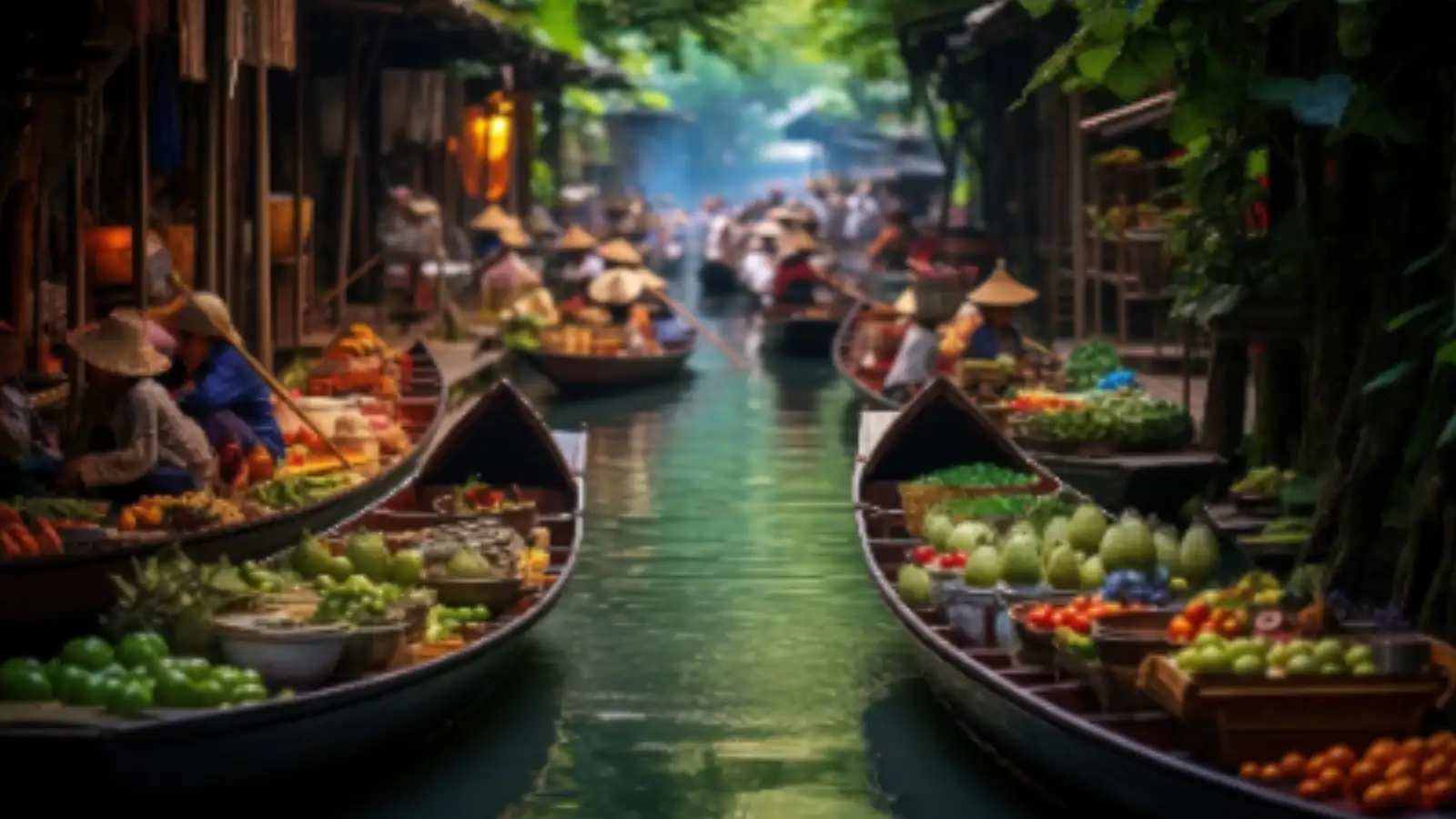
How Thailand’s Floating Markets Began
Long before highways and modern roads connected cities, rivers served as the main transportation routes across Thailand. Communities were built along canals, known locally as khlongs, especially in central Thailand around Bangkok.
Farmers and traders used boats to travel from village to village, selling fresh produce, spices, seafood, and handmade goods directly from the water. Over time, these trading points evolved into organised floating markets where locals gathered not only for shopping but also for social interaction and cultural exchange.
The floating markets became an essential part of everyday Thai life, helping communities survive and thrive through water-based commerce.
Why Waterways Were So Important in Thailand
Thailand’s geography played a major role in the rise of floating markets. The fertile plains and extensive canal networks made water transport faster and more practical than travelling on land.
During the Ayutthaya Kingdom era, canals expanded rapidly to support agriculture and trade. Boats became the primary means of moving goods, and floating markets naturally flourished along these busy water routes.
This strong dependence on waterways even earned Bangkok the nickname “Venice of the East” during earlier centuries.
The Cultural Significance of Floating Markets
Floating markets are more than places to buy food and souvenirs. They represent a lifestyle deeply rooted in Thai culture and tradition.
Generations of families passed down the skills of boat trading, cooking, and farming. Vendors often prepared traditional recipes using ingredients sourced directly from nearby farms and rivers.
The lively atmosphere, colourful boats, and warm interactions between buyers and sellers continue to showcase Thailand’s hospitality and community spirit.
Today, many markets also preserve traditional Thai architecture, music, and handicrafts, allowing visitors to experience the country’s cultural heritage in an authentic setting.
Famous Floating Markets in Thailand
Thailand is home to several well-known floating markets that attract travellers from around the world.
Damnoen Saduak Floating Market
Located near Bangkok, this is one of the most famous floating markets in Thailand. Visitors can explore narrow canals filled with boats selling fruits, coconut ice cream, noodles, and local crafts.
Amphawa Floating Market
Known for its relaxed evening atmosphere, Amphawa offers delicious seafood and riverside charm. The market is especially popular among locals during weekends.
Taling Chan Floating Market
A smaller and more traditional market near Bangkok, Taling Chan provides a more authentic local experience with fresh seafood and canal-side dining.
How Floating Markets Changed Over Time
With the development of roads and modern transportation, Thailand’s dependence on waterways gradually declined. Many original floating markets disappeared as people shifted toward land-based trade.
However, tourism helped revive several floating markets in recent decades. Many markets were restored to preserve cultural traditions and attract visitors interested in experiencing old Thailand.
While some markets now cater heavily to tourists, others still maintain their authentic local character and continue to support nearby farming communities.
Best Things to Experience at Thailand Floating Markets
Visitors can enjoy much more than shopping at these bustling markets.
The combination of food, culture, and history makes floating markets one of Thailand’s most memorable travel experiences.
Why Thailand Floating Markets Remain Popular
Despite modernisation, floating markets continue to hold a special place in Thailand’s identity. They offer travellers a rare opportunity to witness a centuries-old trading tradition that still survives in today’s fast-moving world.
The blend of history, local flavours, scenic waterways, and cultural authenticity keeps these floating markets popular among both international tourists and Thai locals alike.
The story behind Thailand Floating Markets is deeply connected to the country’s rivers, traditions, and community life. What began as a practical way for villagers to trade goods on waterways eventually became one of Thailand’s most iconic cultural experiences.
Today, these floating markets continue to celebrate Thailand’s rich heritage while offering visitors an unforgettable journey through the nation’s vibrant past and present.
How Thailand’s Floating Markets Began
Long before highways and modern roads connected cities, rivers served as the main transportation routes across Thailand. Communities were built along canals, known locally as khlongs, especially in central Thailand around Bangkok.
Farmers and traders used boats to travel from village to village, selling fresh produce, spices, seafood, and handmade goods directly from the water. Over time, these trading points evolved into organised floating markets where locals gathered not only for shopping but also for social interaction and cultural exchange.
The floating markets became an essential part of everyday Thai life, helping communities survive and thrive through water-based commerce.
Why Waterways Were So Important in Thailand
Thailand’s geography played a major role in the rise of floating markets. The fertile plains and extensive canal networks made water transport faster and more practical than travelling on land.
During the Ayutthaya Kingdom era, canals expanded rapidly to support agriculture and trade. Boats became the primary means of moving goods, and floating markets naturally flourished along these busy water routes.
This strong dependence on waterways even earned Bangkok the nickname “Venice of the East” during earlier centuries.
The Cultural Significance of Floating Markets
Floating markets are more than places to buy food and souvenirs. They represent a lifestyle deeply rooted in Thai culture and tradition.
Generations of families passed down the skills of boat trading, cooking, and farming. Vendors often prepared traditional recipes using ingredients sourced directly from nearby farms and rivers.
The lively atmosphere, colourful boats, and warm interactions between buyers and sellers continue to showcase Thailand’s hospitality and community spirit.
Today, many markets also preserve traditional Thai architecture, music, and handicrafts, allowing visitors to experience the country’s cultural heritage in an authentic setting.
Famous Floating Markets in Thailand
Thailand is home to several well-known floating markets that attract travellers from around the world.
Damnoen Saduak Floating Market
Located near Bangkok, this is one of the most famous floating markets in Thailand. Visitors can explore narrow canals filled with boats selling fruits, coconut ice cream, noodles, and local crafts.
Amphawa Floating Market
Known for its relaxed evening atmosphere, Amphawa offers delicious seafood and riverside charm. The market is especially popular among locals during weekends.
Taling Chan Floating Market
A smaller and more traditional market near Bangkok, Taling Chan provides a more authentic local experience with fresh seafood and canal-side dining.
How Floating Markets Changed Over Time
With the development of roads and modern transportation, Thailand’s dependence on waterways gradually declined. Many original floating markets disappeared as people shifted toward land-based trade.
However, tourism helped revive several floating markets in recent decades. Many markets were restored to preserve cultural traditions and attract visitors interested in experiencing old Thailand.
While some markets now cater heavily to tourists, others still maintain their authentic local character and continue to support nearby farming communities.
Best Things to Experience at Thailand Floating Markets
Visitors can enjoy much more than shopping at these bustling markets.
- Taste freshly prepared Thai street food
- Ride traditional wooden boats through scenic canals
- Shop for handmade souvenirs and local products
- Experience traditional Thai culture and hospitality
- Capture vibrant photographs of colourful boats and waterways
The combination of food, culture, and history makes floating markets one of Thailand’s most memorable travel experiences.
Why Thailand Floating Markets Remain Popular
Despite modernisation, floating markets continue to hold a special place in Thailand’s identity. They offer travellers a rare opportunity to witness a centuries-old trading tradition that still survives in today’s fast-moving world.
The blend of history, local flavours, scenic waterways, and cultural authenticity keeps these floating markets popular among both international tourists and Thai locals alike.
The story behind Thailand Floating Markets is deeply connected to the country’s rivers, traditions, and community life. What began as a practical way for villagers to trade goods on waterways eventually became one of Thailand’s most iconic cultural experiences.
Today, these floating markets continue to celebrate Thailand’s rich heritage while offering visitors an unforgettable journey through the nation’s vibrant past and present.
Next Story