
Why Do Some Plants Look Red Or Purple Instead Of Green?

When we think about plants, the first colour that usually comes to mind is green. From grass and trees to indoor plants, green dominates the natural world because of chlorophyll, the pigment responsible for photosynthesis. However, not all plants follow this pattern. Some plants appear red, purple, yellow, silver, or even nearly black.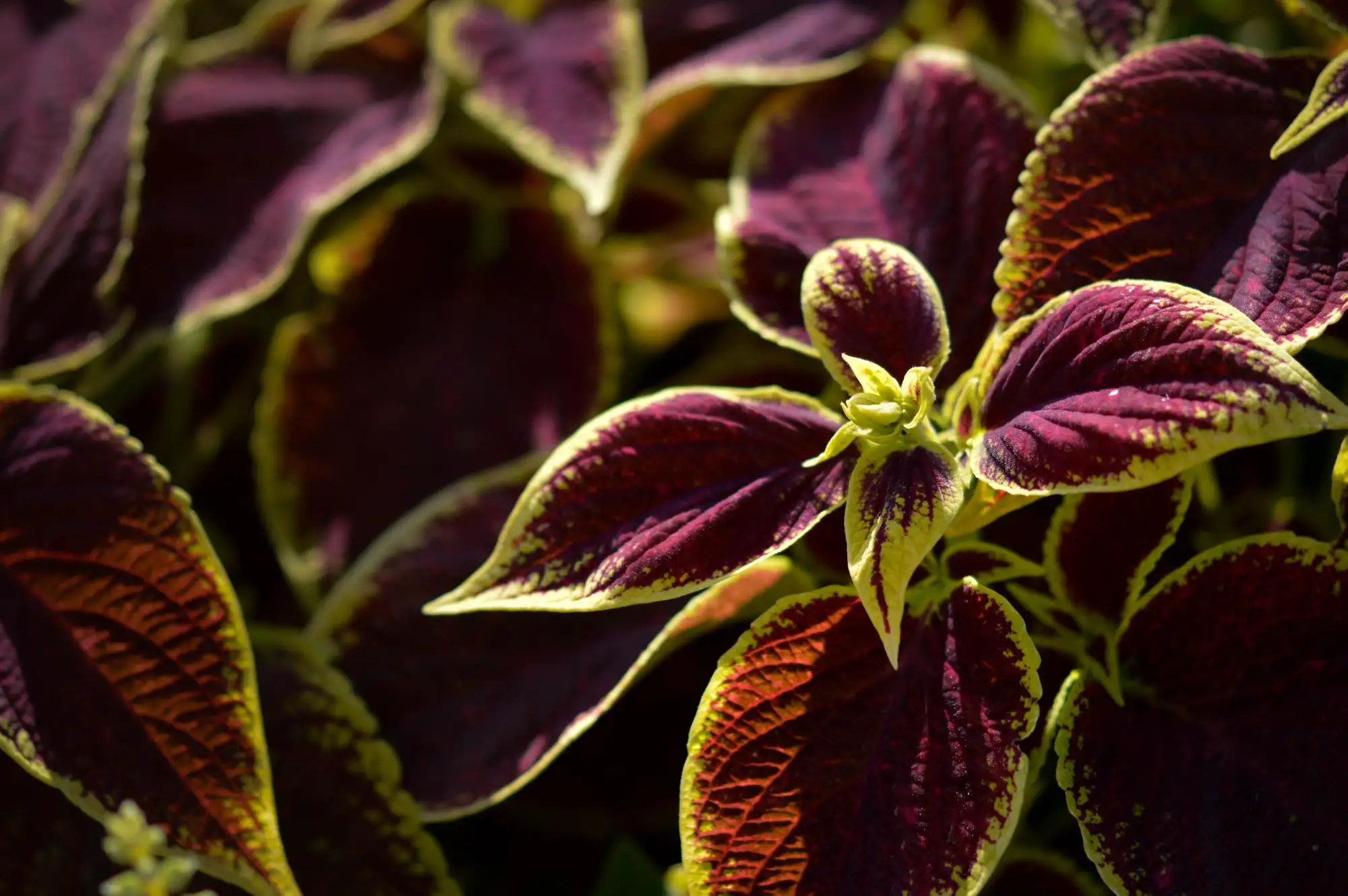
These colourful plants are not unusual mistakes of nature. Their vibrant shades are caused by special pigments and unique adaptations that help them survive in different environments.
Even many colourful plants still contain chlorophyll. It is simply hidden beneath stronger pigments that dominate the leaf surface.
Also Read: Native Plants Can Make Your Garden More Resilient and Eco-Friendly
Certain plants also use colourful leaves to attract pollinators and insects. Bright foliage can stand out in dense forests where flowers may not always be visible.
Also Read: Summer Care Tips to Keep Indoor Plants Healthy and Green
However, there are a few rare plants that do not rely on photosynthesis at all. Some parasitic plants absorb nutrients directly from other plants instead of producing their own food.
From deep purple leaves to bright red foliage, these plants remind us that nature goes far beyond a single shade of green.
These colourful plants are not unusual mistakes of nature. Their vibrant shades are caused by special pigments and unique adaptations that help them survive in different environments.
The Role Of Chlorophyll In Plants
Most plants look green because they contain large amounts of chlorophyll. This pigment absorbs sunlight and helps plants convert light energy into food through photosynthesis. Chlorophyll mainly absorbs red and blue light while reflecting green light, which is why our eyes see plants as green.Even many colourful plants still contain chlorophyll. It is simply hidden beneath stronger pigments that dominate the leaf surface.
Also Read: Native Plants Can Make Your Garden More Resilient and Eco-Friendly
Special Pigments Create Different Colours
Plants produce several natural pigments apart from chlorophyll. These pigments create stunning colours and also help protect the plant from environmental stress.Anthocyanins
Anthocyanins are responsible for red, purple, and blue shades in plants. These pigments help protect leaves from excessive sunlight and temperature changes. Plants like purple cabbage, coleus, and some varieties of basil get their rich colours from anthocyanins.Carotenoids
Carotenoids produce yellow, orange, and golden colours in plants. These pigments are also found in carrots and pumpkins. They help absorb sunlight and protect plant cells from damage caused by strong light.Betalains
Some plants contain betalains, which create deep red and pink colours. Beetroot is one of the most common examples of this pigment.You may also like
- Psychology suggests parents who feel hurt when adult children spend holidays elsewhere aren't being unreasonable: Family traditions often become emotional anchors people expect to last forever
- Homemade Body Polishing Soap for Radiant Skin
- Essential Tips for Maintaining Youthful Skin as You Age
- "My daughter will lose...": Father cries outside NEET re-exam centre after daughter misses the gate by 2 minutes; what happens next is a parenting lesson
- Suresh Triveni Discusses the Buzz Surrounding His Film 'Maa Behen'
Why Colourful Plants Exist
Colourful foliage is often an adaptation to the environment. In some cases, darker leaves absorb more sunlight in cooler climates. In other cases, bright pigments protect plants from intense sunlight or harmful ultraviolet rays.Certain plants also use colourful leaves to attract pollinators and insects. Bright foliage can stand out in dense forests where flowers may not always be visible.
Also Read: Summer Care Tips to Keep Indoor Plants Healthy and Green
Can Non Green Plants Perform Photosynthesis?
Yes, most non green plants can still perform photosynthesis. Even though their leaves may appear purple, red, or yellow, chlorophyll is usually present inside the cells. The stronger pigments simply mask the green colour.However, there are a few rare plants that do not rely on photosynthesis at all. Some parasitic plants absorb nutrients directly from other plants instead of producing their own food.
Popular Examples Of Non Green Plants
Many popular garden and indoor plants are known for their colourful foliage. Some common examples include:- Purple Heart Plant
- Coleus
- Croton
- Caladium
- Japanese Maple
- Red Aglaonema
- Burgundy Rubber Plant
Nature’s Colour Palette
The existence of non green plants shows how diverse and creative nature can be. Their colours are not just visually attractive but also scientifically important for survival and adaptation.From deep purple leaves to bright red foliage, these plants remind us that nature goes far beyond a single shade of green.






More from our partners


Loving Newspoint? Download the app now
