
Akhand Jyot Navratri 2026: Right Way to Light the Lamp, Sleeping Rules and Mistakes to Avoid

Akhand Jyot Navratri 2026 : Lighting an Akhand Jyot during Shardiya Navratri is considered a sacred tradition dedicated to Goddess Durga. Devotees light this continuous flame to symbolise faith, wisdom, positivity and divine blessings. Shardiya Navratri 2026 will begin on October 11 and conclude with Vijayadashami on October 20. If you are planning to keep an Akhand Jyot burning throughout the festival, understanding the traditional rituals, precautions and sleeping arrangements can help you observe the practice with care.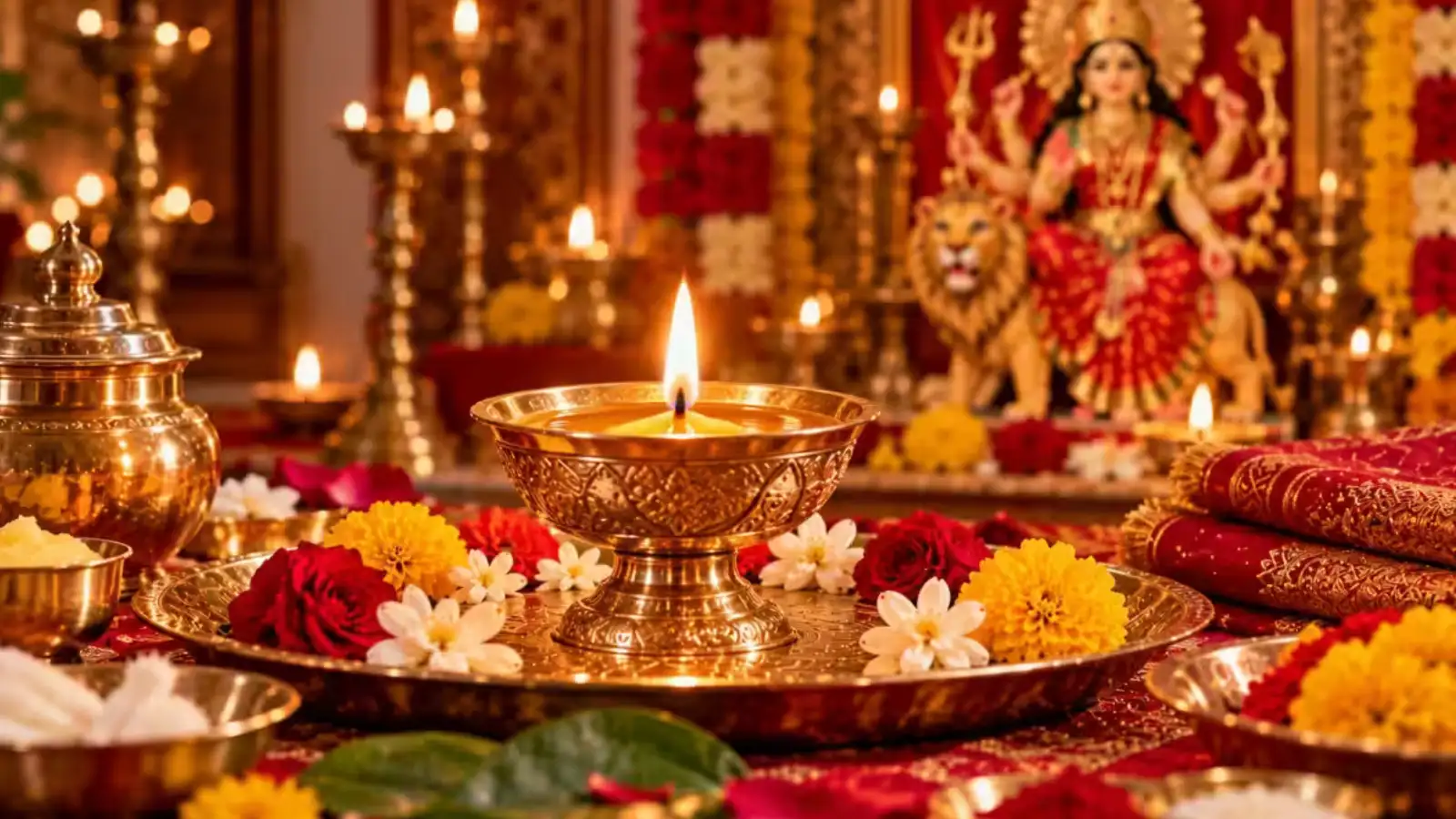
Many devotees light the lamp during Ghatasthapana on the first day of Navratri and maintain it until the festival concludes. The ritual is performed as an expression of devotion to Maa Durga and is believed to invite peace, prosperity and positive energy into the home.
However, customs surrounding the Akhand Jyot may differ between families and regions. Devotees generally follow the practices prescribed by their family traditions or religious guides.
A long, thick cotton wick is traditionally preferred for maintaining a steady flame. Make sure the wick is suitable for the lamp and does not create an excessively large flame.
Place the lamp on a stable, clean and heat-resistant surface. Traditionally, a ghee lamp is placed on the right side of Maa Durga's image, while an oil lamp is placed on the left. Follow your family's established practice if it differs.
Keep all the necessary supplies ready beforehand so that you can replenish the fuel carefully without disturbing the ritual.
Avoid placing the flame near a kitchen cooking area, bathroom or busy passage. Most importantly, ensure that the lamp is stable and cannot be knocked over accidentally.
Do not pour fuel carelessly onto a burning wick. If replenishment is required, follow the lamp manufacturer's safety instructions and use an appropriate, controlled method.
A suitable heat-resistant protective enclosure may help reduce exposure to drafts. However, never cover a burning lamp with an improvised glass or metal cover that could trap heat or cause the lamp to overheat. Always allow sufficient ventilation and follow the manufacturer's instructions.
Handle hot ghee carefully and keep the container away from the flame.
Children and pets should not be allowed to play near the flame. An adult should remain responsible for monitoring the lamp throughout the day and night.
If you are observing the ritual, follow the dietary customs associated with your family's beliefs.
However, sleeping beside an unattended open flame is not safe. A person who is asleep cannot respond quickly if the lamp tips over, fuel spills or nearby material catches fire.
If you plan to maintain an Akhand Jyot overnight, prioritise fire safety rather than relying on someone sleeping nearby to protect the flame.
Here are some important points to remember:
1. Placing the lamp on an unstable surface: A lamp that can wobble or fall is dangerous. Always use a firm, heat-resistant base.
2. Leaving the lamp near curtains or bedding: Even a small flame can ignite nearby materials. Maintain a clear space around the lamp.
3. Letting children handle the lamp: Children should not refill the reservoir, adjust the wick or move the lamp without adult supervision.
4. Adding fuel carelessly: Spilling oil or ghee near a burning flame can cause a fire. Handle all fuel carefully and follow appropriate safety procedures.
5. Using an unsuitable cover: A poorly designed cover can trap heat or bring combustible material dangerously close to the flame. Use only a suitable protective enclosure intended for the lamp.
6. Ignoring the lamp for long periods: A continuous flame requires monitoring. Check its condition regularly, and never assume that a large fuel reservoir makes unattended burning safe.
7. Treating every custom as a universal rule: Ritual practices can vary between households and regions. For religious questions, consult your family tradition or a trusted priest.
The confusion surrounding the beginning of Navratri is linked to the timing of Pratipada Tithi, the lunar date associated with the festival's first day. Pratipada is expected to begin at around 9:19 pm on October 10 and end at approximately 9:30 pm on October 11.
According to the Udaya Tithi convention, a festival date is generally determined by the lunar tithi prevailing at sunrise. Since Pratipada is present at sunrise on October 11, that date is observed as the first day of Navratri.
Ghatasthapana, the ritual marking the beginning of Navratri worship, is expected to have an auspicious morning window of approximately 6:19 am to 10:12 am on October 11. The exact muhurat may vary by location, so devotees should check a reliable local panchang before performing the ritual.
Another notable feature of the 2026 calendar is that Ashtami and Navami observances are expected to fall on October 19, while Vijayadashami will be celebrated on October 20. Consult a location-specific panchang for the precise timings of the relevant tithis and rituals.
The Akhand Jyot is an important symbol of faith for many devotees during Shardiya Navratri. Preparing the lamp properly, keeping the prayer area clean and following family traditions can help make the observance meaningful.
At the same time, religious devotion should go hand in hand with practical precautions. Keep the lamp on a stable, heat-resistant surface, away from children and flammable materials, and never leave an open flame unattended while sleeping. With thoughtful preparation and safe practices, devotees can observe Navratri with devotion while protecting everyone at home.
What Is Akhand Jyot and Why Is It Important During Navratri?
Akhand Jyot refers to a sacred lamp that devotees aim to keep burning continuously throughout the nine-day Navratri festival. It holds special significance in Hindu traditions, as the flame is associated with spiritual awareness, devotion and the removal of negativity.Many devotees light the lamp during Ghatasthapana on the first day of Navratri and maintain it until the festival concludes. The ritual is performed as an expression of devotion to Maa Durga and is believed to invite peace, prosperity and positive energy into the home.
However, customs surrounding the Akhand Jyot may differ between families and regions. Devotees generally follow the practices prescribed by their family traditions or religious guides.
How to Light Akhand Jyot During Navratri 2026
Preparing the lamp correctly is an important part of the ritual. Here are some traditional practices to follow while setting up the Akhand Jyot.1. Choose the Right Lamp and Wick
A brass, silver or earthen lamp can be used for the ritual. Choose a sturdy lamp that can hold enough oil or ghee to support the flame for an extended period.A long, thick cotton wick is traditionally preferred for maintaining a steady flame. Make sure the wick is suitable for the lamp and does not create an excessively large flame.
2. Use Pure Ghee or Oil
Cow's ghee, sesame oil and mustard oil are commonly used for lighting a sacred lamp, depending on family customs. Select the fuel according to your religious tradition and the type of lamp you are using.Place the lamp on a stable, clean and heat-resistant surface. Traditionally, a ghee lamp is placed on the right side of Maa Durga's image, while an oil lamp is placed on the left. Follow your family's established practice if it differs.
3. Prepare the Lamp Before the Ritual
If you are using an earthen lamp, a traditional practice is to soak it in water overnight before use. Allow it to dry thoroughly before adding oil or ghee and lighting the wick.Keep all the necessary supplies ready beforehand so that you can replenish the fuel carefully without disturbing the ritual.
4. Choose an Appropriate Place for the Akhand Jyot
Place the lamp in a clean area near your place of worship. It should be away from curtains, paper, bedding, furniture and other flammable materials.Avoid placing the flame near a kitchen cooking area, bathroom or busy passage. Most importantly, ensure that the lamp is stable and cannot be knocked over accidentally.
Akhand Jyot Rules to Follow for All Nine Days
Maintaining the lamp requires regular attention. Devotees who wish to keep the flame burning throughout Navratri should remember these traditional guidelines.Keep Checking the Oil or Ghee Level
Check the fuel level regularly and replenish it before the lamp runs low. Avoid allowing the reservoir to become empty, as this may extinguish the flame.Do not pour fuel carelessly onto a burning wick. If replenishment is required, follow the lamp manufacturer's safety instructions and use an appropriate, controlled method.
Protect the Flame From Wind
A steady flame is important to the Akhand Jyot ritual. Keep the lamp away from open windows, fans and strong air currents.A suitable heat-resistant protective enclosure may help reduce exposure to drafts. However, never cover a burning lamp with an improvised glass or metal cover that could trap heat or cause the lamp to overheat. Always allow sufficient ventilation and follow the manufacturer's instructions.
Do Not Add Solid Ghee Directly
If you are using ghee, ensure it is in a suitable liquid state before adding it to the lamp. Avoid pouring large quantities at once, as spilled fuel can create a fire hazard.Handle hot ghee carefully and keep the container away from the flame.
Maintain Cleanliness Around the Lamp
Keep the prayer area clean and free from dust, clutter and combustible materials. Place the lamp on a heat-resistant tray or surface to catch accidental drips.Children and pets should not be allowed to play near the flame. An adult should remain responsible for monitoring the lamp throughout the day and night.
Follow Traditional Food Practices
Some families observing the Akhand Jyot ritual avoid non-vegetarian food, onion and garlic during Navratri. These restrictions are rooted in particular religious and cultural traditions.If you are observing the ritual, follow the dietary customs associated with your family's beliefs.
Can You Sleep Near Akhand Jyot During Navratri?
Some devotees choose to sleep in the same room as the Akhand Jyot because they want to keep a close watch on the flame. Certain traditions also associate sleeping near the place of worship with discipline and devotion.However, sleeping beside an unattended open flame is not safe. A person who is asleep cannot respond quickly if the lamp tips over, fuel spills or nearby material catches fire.
If you plan to maintain an Akhand Jyot overnight, prioritise fire safety rather than relying on someone sleeping nearby to protect the flame.
Here are some important points to remember:
- Do not leave the flame unattended: An open flame should never be left burning while everyone in the home is asleep or away. Consider a safer ritual arrangement if continuous burning cannot be monitored safely.
- Keep bedding at a safe distance: Never place the lamp beside a mattress, pillow, blanket or curtain. Keep the entire area around it clear of combustible materials.
- Avoid placing the lamp near your head or feet: Although some traditional practices recommend particular sleeping directions, the most important consideration is keeping people and bedding well away from the flame.
- Do not sleep on the floor beside the lamp: Sleeping on the floor does not make it safer to keep an open flame nearby. Maintain a clear distance and avoid sleeping in the lamp's immediate surroundings.
- Keep the prayer area clean: Remove loose fabrics, paper, packaging and other items that could catch fire.
Akhand Jyot Mistakes to Avoid During Navratri
Certain mistakes can interfere with the ritual, while others may create unnecessary safety risks. Keep these common points in mind.1. Placing the lamp on an unstable surface: A lamp that can wobble or fall is dangerous. Always use a firm, heat-resistant base.
2. Leaving the lamp near curtains or bedding: Even a small flame can ignite nearby materials. Maintain a clear space around the lamp.
3. Letting children handle the lamp: Children should not refill the reservoir, adjust the wick or move the lamp without adult supervision.
4. Adding fuel carelessly: Spilling oil or ghee near a burning flame can cause a fire. Handle all fuel carefully and follow appropriate safety procedures.
You may also like
- Today's Panchang: Guru Pradosh Vrat Timings, Auspicious Muhurats, and Rahukaal
- Can Wearing Gold During Shani Sade Sati Harm You, Crucial Astrological Facts
- 4 Sages and 3 Births of Enmity: The Fascinating Legend of Temple Dwarapalaks and Lord Vishnu
- Sharadiya Navratri 2026: Maa Durga Arrives on an Elephant
- How Tithi, Nakshatra, and Udaya Vyapi Dictate Hindu Fasting and Festival Rules
5. Using an unsuitable cover: A poorly designed cover can trap heat or bring combustible material dangerously close to the flame. Use only a suitable protective enclosure intended for the lamp.
6. Ignoring the lamp for long periods: A continuous flame requires monitoring. Check its condition regularly, and never assume that a large fuel reservoir makes unattended burning safe.
7. Treating every custom as a universal rule: Ritual practices can vary between households and regions. For religious questions, consult your family tradition or a trusted priest.
Navratri 2026 Dates : Why Is There Confusion?
Shardiya Navratri 2026 will begin on October 11, with Vijayadashami falling on October 20, according to the dates provided for this year's festival.The confusion surrounding the beginning of Navratri is linked to the timing of Pratipada Tithi, the lunar date associated with the festival's first day. Pratipada is expected to begin at around 9:19 pm on October 10 and end at approximately 9:30 pm on October 11.
According to the Udaya Tithi convention, a festival date is generally determined by the lunar tithi prevailing at sunrise. Since Pratipada is present at sunrise on October 11, that date is observed as the first day of Navratri.
Ghatasthapana, the ritual marking the beginning of Navratri worship, is expected to have an auspicious morning window of approximately 6:19 am to 10:12 am on October 11. The exact muhurat may vary by location, so devotees should check a reliable local panchang before performing the ritual.
Another notable feature of the 2026 calendar is that Ashtami and Navami observances are expected to fall on October 19, while Vijayadashami will be celebrated on October 20. Consult a location-specific panchang for the precise timings of the relevant tithis and rituals.
The Akhand Jyot is an important symbol of faith for many devotees during Shardiya Navratri. Preparing the lamp properly, keeping the prayer area clean and following family traditions can help make the observance meaningful.
At the same time, religious devotion should go hand in hand with practical precautions. Keep the lamp on a stable, heat-resistant surface, away from children and flammable materials, and never leave an open flame unattended while sleeping. With thoughtful preparation and safe practices, devotees can observe Navratri with devotion while protecting everyone at home.






Loving Newspoint? Download the app now
