
Navratri Day 8 2026: Maa Mahagauri Puja, Mantra and Significance

As Navratri reaches its eighth day, the atmosphere of devotion takes on a peaceful and radiant character. Devotees worship Maa Mahagauri, the eighth form of Navdurga, whose divine appearance symbolises purity, serenity and spiritual renewal. Known for her calm expression and white attire, the goddess represents the hope of emerging stronger and wiser after difficult experiences.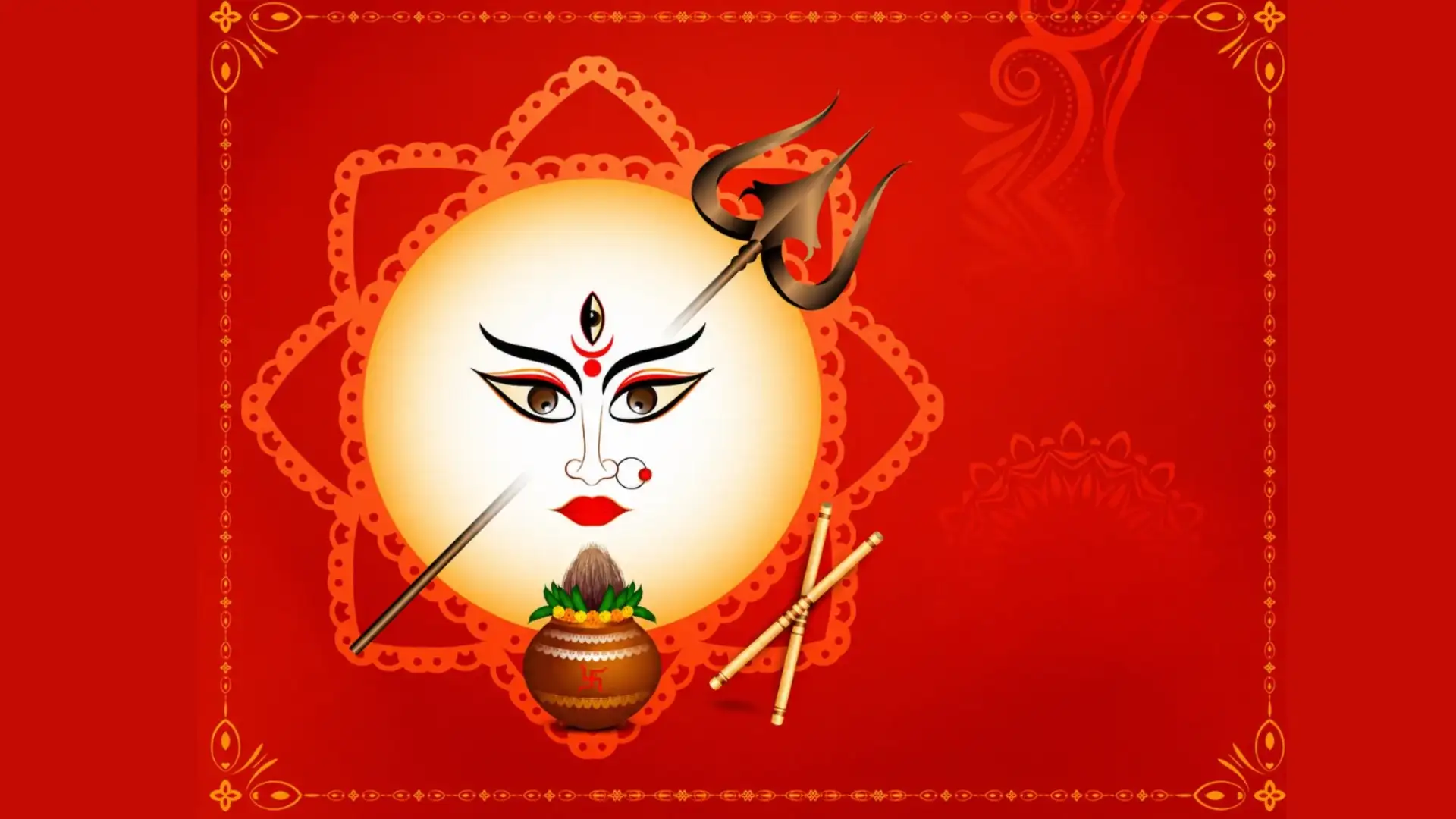
Durga Ashtami, also called Maha Ashtami in several traditions, is an important occasion for prayers, offerings and Kanya Pujan. Many households also perform a havan and recite the goddess's mantras as part of their Navratri celebrations.
Here is a guide to Maa Mahagauri's katha, mantra, aarti, bhog and puja vidhi for Navratri Day 8 .
She is traditionally depicted wearing white garments and riding a white bull, known as Vrishabha. Her four hands hold a trident and damaru, while the remaining two display gestures associated with blessing and fearlessness.
White is central to her symbolism, representing purity, tranquillity and clarity. Her gentle appearance also reflects the belief that spiritual strength can exist alongside compassion and peace.
Devotees worship Maa Mahagauri for inner calm, harmony in relationships and the courage to begin again after challenging periods in life.
Parvati devoted herself to meditation for years, enduring harsh weather and difficult conditions. Her prolonged tapasya left her covered in dust, and her complexion became dark.
Eventually, Lord Shiva accepted her devotion. In the traditional account, the waters of the Ganga cleansed her, revealing a radiant, luminous appearance. From then on, she became known as Mahagauri.
Another interpretation connects her transformation with the fierce form of Maa Kalaratri. After the goddess's battle against demonic forces, she is described in some traditions as regaining her radiant form.
Both narratives emphasise transformation, perseverance and the restoration of purity. For devotees, Maa Mahagauri's story offers a reminder that difficult experiences need not define the future and that a fresh beginning is always possible.
ॐ देवी महागौर्यै नमः॥
Om Devi Mahagauryai Namah
Meaning: 'Salutations to Goddess Mahagauri.'
Devotees may chant this mantra during their morning prayers or throughout the day. Repeating it 108 times with a mala is a common devotional practice, although the number and method depend on individual traditions.
The mantra is a prayer for the goddess's blessings, peace and spiritual clarity. Those observing Durga Ashtami can also recite it before beginning Kanya Pujan.
श्वेते वृषे समारूढा श्वेताम्बरधरा शुचिः। महागौरी शुभं दद्यान्महादेवप्रमोददा॥
Transliteration:
Shvete Vrishe Samarudha Shvetambaradhara Shuchih, Mahagauri Shubham Dadyan Mahadeva Pramodada.
Meaning: 'Seated on a white bull, dressed in white, pure in every way: may Mahagauri, who brings joy to Mahadeva, grant what is auspicious.'
For households conducting a havan, the following offering mantra is also used in some traditions:
ॐ ह्रीं महागौर्यै नमः स्वाहा
Om Hreem Mahagauryai Namah Swaha
The mantra may be recited with each offering into the sacred fire according to the family's ritual practice.
Kanya Pujan involves honouring young girls as manifestations of the divine feminine. Families commonly invite girls to their homes, wash their feet, apply tilak and offer food, prayers and small gifts.
Sandhi Puja is observed at the transition between Ashtami and Navami in certain traditions. It is associated with Goddess Chamunda and the legend of her victory over the demons Chanda and Munda.
Some families also perform their principal Navratri havan on Ashtami, offering prayers for wellbeing, prosperity and spiritual strength.
Families may also prepare halwa, puri and chana for Kanya Pujan. Fruit and other vegetarian sweets can be offered as prasad, depending on household practices.
The colour associated with Navratri Day 8 varies according to the year's festival colour calendar. For 2026, purple is indicated in the colour sequence provided for this observance. Devotees who follow this custom may choose purple clothing while continuing to use white in the goddess's traditional imagery and altar decorations.
जय अम्बे गौरी, मैया जय श्यामा गौरी। तुमको निशिदिन ध्यावत, हरि ब्रह्मा शिवरी॥
Transliteration:
Jai Ambe Gauri, Maiya Jai Shyama Gauri, Tumko Nishidin Dhyavat, Hari Brahma Shivari.
Meaning: 'Victory to Mother Gauri, on whom Hari, Brahma and Shiva meditate day and night.'
The aarti is a devotional expression of reverence for the goddess. Families may sing it at the end of the puja before distributing prasad.
As families gather for Durga Ashtami, the goddess's story serves as a gentle reminder that difficult times can lead to growth and transformation. Through sincere prayers and meaningful traditions, devotees welcome the final days of Navratri with renewed faith, hope and gratitude.
Durga Ashtami, also called Maha Ashtami in several traditions, is an important occasion for prayers, offerings and Kanya Pujan. Many households also perform a havan and recite the goddess's mantras as part of their Navratri celebrations.
Here is a guide to Maa Mahagauri's katha, mantra, aarti, bhog and puja vidhi for Navratri Day 8 .
Who Is Maa Mahagauri?
Maa Mahagauri is the eighth manifestation of Goddess Durga in the Navdurga tradition. Her name combines Maha, meaning great, and Gauri, associated with fairness, brightness and radiance.She is traditionally depicted wearing white garments and riding a white bull, known as Vrishabha. Her four hands hold a trident and damaru, while the remaining two display gestures associated with blessing and fearlessness.
White is central to her symbolism, representing purity, tranquillity and clarity. Her gentle appearance also reflects the belief that spiritual strength can exist alongside compassion and peace.
Devotees worship Maa Mahagauri for inner calm, harmony in relationships and the courage to begin again after challenging periods in life.
Maa Mahagauri Katha : The Story of Goddess Gauri
According to a popular Hindu tradition, Maa Mahagauri's story begins with Parvati's intense penance to win Lord Shiva as her husband.Parvati devoted herself to meditation for years, enduring harsh weather and difficult conditions. Her prolonged tapasya left her covered in dust, and her complexion became dark.
Eventually, Lord Shiva accepted her devotion. In the traditional account, the waters of the Ganga cleansed her, revealing a radiant, luminous appearance. From then on, she became known as Mahagauri.
Another interpretation connects her transformation with the fierce form of Maa Kalaratri. After the goddess's battle against demonic forces, she is described in some traditions as regaining her radiant form.
Both narratives emphasise transformation, perseverance and the restoration of purity. For devotees, Maa Mahagauri's story offers a reminder that difficult experiences need not define the future and that a fresh beginning is always possible.
Maa Mahagauri Mantra and Its Meaning
The principal mantra commonly recited during Maa Mahagauri puja is:ॐ देवी महागौर्यै नमः॥
Om Devi Mahagauryai Namah
Meaning: 'Salutations to Goddess Mahagauri.'
Devotees may chant this mantra during their morning prayers or throughout the day. Repeating it 108 times with a mala is a common devotional practice, although the number and method depend on individual traditions.
The mantra is a prayer for the goddess's blessings, peace and spiritual clarity. Those observing Durga Ashtami can also recite it before beginning Kanya Pujan.
Maa Mahagauri Dhyana Mantra
The following traditional verse describes the goddess's radiant appearance:श्वेते वृषे समारूढा श्वेताम्बरधरा शुचिः। महागौरी शुभं दद्यान्महादेवप्रमोददा॥
Transliteration:
Shvete Vrishe Samarudha Shvetambaradhara Shuchih, Mahagauri Shubham Dadyan Mahadeva Pramodada.
Meaning: 'Seated on a white bull, dressed in white, pure in every way: may Mahagauri, who brings joy to Mahadeva, grant what is auspicious.'
For households conducting a havan, the following offering mantra is also used in some traditions:
ॐ ह्रीं महागौर्यै नमः स्वाहा
Om Hreem Mahagauryai Namah Swaha
The mantra may be recited with each offering into the sacred fire according to the family's ritual practice.
Durga Ashtami 2026 : Why Navratri Day 8 Matters
Durga Ashtami is one of the most significant days of Navratri. The eighth day brings together several important religious observances, including Kanya Pujan, Sandhi Puja and havan in traditions that follow these rituals.Kanya Pujan involves honouring young girls as manifestations of the divine feminine. Families commonly invite girls to their homes, wash their feet, apply tilak and offer food, prayers and small gifts.
Sandhi Puja is observed at the transition between Ashtami and Navami in certain traditions. It is associated with Goddess Chamunda and the legend of her victory over the demons Chanda and Munda.
Some families also perform their principal Navratri havan on Ashtami, offering prayers for wellbeing, prosperity and spiritual strength.
Maa Mahagauri Puja Vidhi at Home
Follow these steps for a simple Maa Mahagauri puja on Navratri Day 8.- Prepare for worship: Bathe, wear clean clothes and arrange a clean prayer space.
- Set up the altar: Place a picture or idol of Maa Mahagauri on a clean cloth, traditionally white.
- Offer flowers: Jasmine, mogra and other suitable flowers may be offered according to family customs.
- Light a diya: Begin the puja with a traditional lamp and prayers.
- Recite the mantra: Chant 'Om Devi Mahagauryai Namah' with devotion.
- Offer bhog: Present coconut, fruit and other customary vegetarian offerings.
- Perform Kanya Pujan: If followed by your family, honour the invited girls and offer them a traditional meal.
- Conclude with aarti: Sing the goddess's aarti, distribute prasad and offer your prayers.
Maa Mahagauri Bhog and Navratri Day 8 Colour
Coconut is a traditional offering associated with Maa Mahagauri. Its white interior is often interpreted as a symbol of purity, making it a fitting offering for the goddess.Families may also prepare halwa, puri and chana for Kanya Pujan. Fruit and other vegetarian sweets can be offered as prasad, depending on household practices.
The colour associated with Navratri Day 8 varies according to the year's festival colour calendar. For 2026, purple is indicated in the colour sequence provided for this observance. Devotees who follow this custom may choose purple clothing while continuing to use white in the goddess's traditional imagery and altar decorations.
Maa Mahagauri Mata Ki Aarti
Devotees commonly sing the following opening lines of the popular Durga aarti during Navratri:जय अम्बे गौरी, मैया जय श्यामा गौरी। तुमको निशिदिन ध्यावत, हरि ब्रह्मा शिवरी॥
Transliteration:
You may also like
- Sharad Navratri 2026 Saptami: Maa Kaalratri, night worship and the jaggery offering
- What to wear and chant for Kaalratri on Sharad Navratri 2026: Colours, mantras and remedies
- Kaalratri in Sharad Navratri 2026: The dark goddess who crosses time
- Nectar from the Night Sky: Moon Radiates All 16 Divine Kalas on Sharad Purnima 2026
- The Sacred Science Behind Why Maa Durga's Worship Demands Halwa, Puri, and Chana
Jai Ambe Gauri, Maiya Jai Shyama Gauri, Tumko Nishidin Dhyavat, Hari Brahma Shivari.
Meaning: 'Victory to Mother Gauri, on whom Hari, Brahma and Shiva meditate day and night.'
The aarti is a devotional expression of reverence for the goddess. Families may sing it at the end of the puja before distributing prasad.
Spiritual Benefits of Worshipping Maa Mahagauri
Devotees associate Maa Mahagauri worship with several spiritual aspirations:- A fresh beginning: Her story inspires prayers for forgiveness, renewal and a clearer conscience.
- Marital harmony: As Parvati, she is connected with Lord Shiva, making her worship meaningful for devotees seeking a loving and peaceful marriage.
- Inner peace: Her serene appearance encourages calmness and thoughtful reflection.
- Strength and hope: Her story reminds devotees to remain resilient through challenging periods.
- Spiritual fulfilment: Prayers on Durga Ashtami express faith and hope for blessings and wellbeing.
A Meaningful Conclusion to Navratri Day 8
Maa Mahagauri's worship brings a message of peace, resilience and renewal to the eighth day of Navratri. From chanting her mantra and offering coconut to performing Kanya Pujan and singing the aarti, each ritual provides an opportunity to reflect on the values she represents.As families gather for Durga Ashtami, the goddess's story serves as a gentle reminder that difficult times can lead to growth and transformation. Through sincere prayers and meaningful traditions, devotees welcome the final days of Navratri with renewed faith, hope and gratitude.






Loving Newspoint? Download the app now
