
Sawan 2026: Why Planting Tulsi During Sawan Is Considered Highly Auspicious

The holy month of Sawan 2026 is regarded as one of the most spiritually significant periods in the Hindu calendar. With nature at its greenest and the atmosphere filled with positive energy, many devotees choose this time to plant a Tulsi plant at home. According to religious beliefs and Vastu principles, planting Tulsi during Sawan can attract positivity, prosperity, and divine blessings while helping remove negative energies from the household.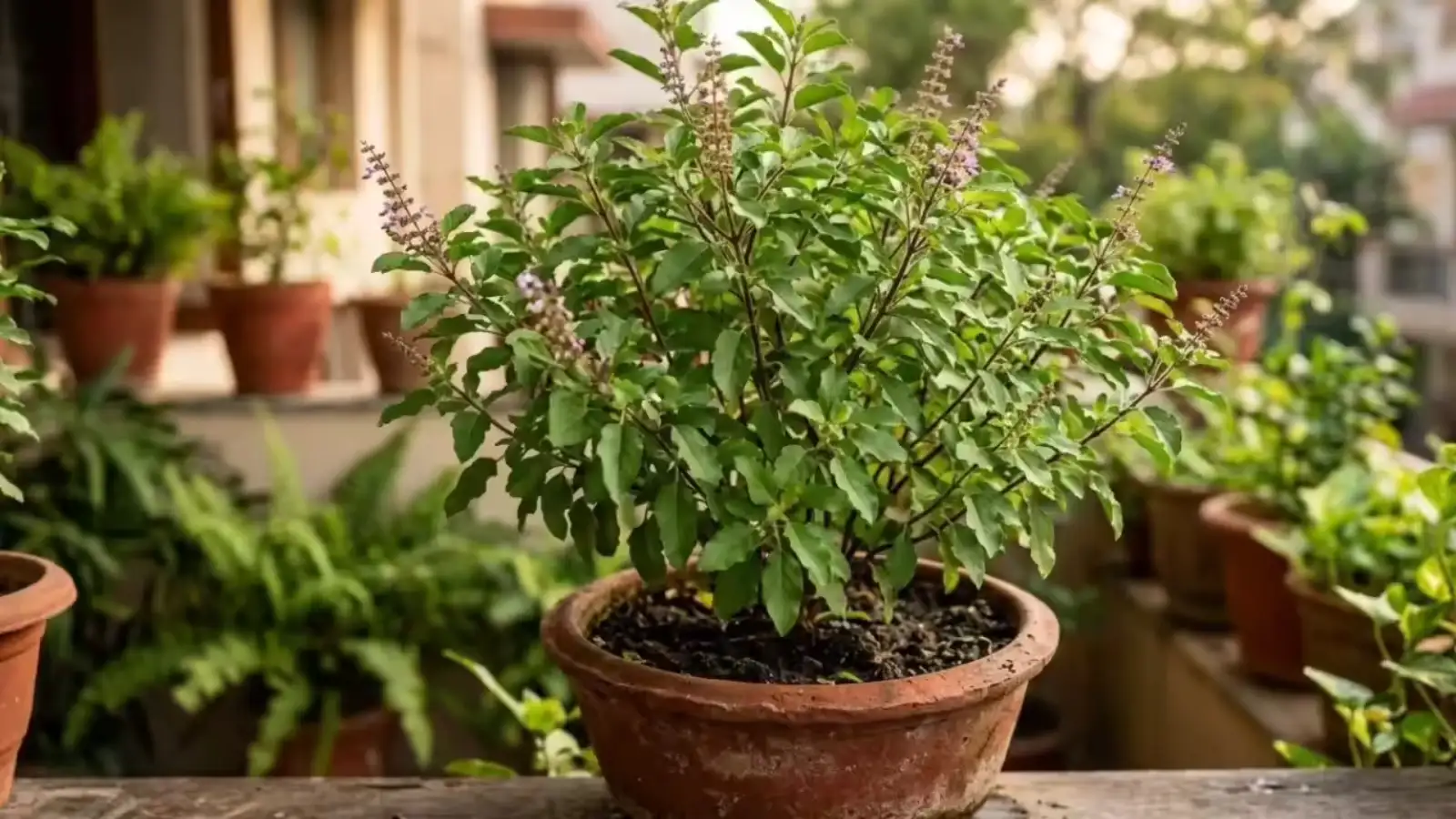
If you are planning to plant Tulsi this Sawan, it is important to follow certain traditional guidelines to ensure the plant thrives and brings auspicious results.
Why Is Planting Tulsi in Sawan Considered Auspicious?
Tulsi is revered as a sacred plant in Hinduism and is associated with Lord Vishnu and Goddess Lakshmi. The month of Sawan is believed to amplify spiritual practices, making it an ideal time to introduce a Tulsi plant into the home.
Many people believe that a healthy Tulsi plant helps create a peaceful environment, promotes positive vibrations, and invites prosperity into the household.
Important Rules for Planting Tulsi During Sawan
Choose the Right Direction
According to Vastu Shastra, the most favourable locations for a Tulsi plant are the north and east directions of the home. These directions are considered beneficial for attracting positive energy and maintaining harmony in the household.
Ensure Proper Drainage
Sawan is marked by frequent rainfall and increased moisture levels. Excess water can accumulate in the soil and damage the roots of the Tulsi plant. To prevent this, use a pot with proper drainage holes and ensure that water does not stagnate around the roots.
Follow the Correct Worship Practices
Worshipping Tulsi during Sawan is believed to promote good health, happiness, and prosperity. However, devotees should remember that Tulsi leaves are traditionally not offered during the worship of Lord Shiva. Instead, they are primarily associated with Lord Vishnu.
Tulsi Manjari in Sawan: A Sacred and Positive Sign
During the Sawan season, many Tulsi plants begin producing Manjari, the flowering seed clusters of the plant. In Hindu traditions , the appearance of Tulsi Manjari is viewed as a highly auspicious sign.
It is believed to indicate the blessings of Goddess Lakshmi and may be seen as a symbol of forthcoming good news, abundance, and positive developments in the family.
What Should You Do When Tulsi Manjari Appears?
Offer It to Lord Vishnu
Tulsi Manjari holds special significance in the worship of Lord Vishnu. When Manjari appears on the plant, devotees can gently pluck it and offer it to Lord Vishnu or Laddu Gopal. Traditional beliefs suggest that this practice can help attract prosperity and improve financial well-being.
Keep It Away from the Shivling
Religious traditions advise against offering Tulsi Manjari on a Shivling. Just as Tulsi leaves are generally not used in Shiva worship, the Manjari should also be kept separate from such rituals.
Use the Seeds to Grow New Tulsi Plants
Once the Manjari dries, it should not be discarded. Instead, it can be placed back into the soil, where its seeds may germinate and produce new Tulsi plants. This is considered a symbol of continued growth, greenery, and blessings within the home.
Sawan 2026: Invite Positivity With Tulsi
Planting Tulsi during Sawan 2026 is not only a spiritual practice but also a meaningful way to connect with nature and traditional beliefs. By following the proper planting rules and understanding the significance of Tulsi Manjari, devotees can make the most of this sacred month and welcome positivity, prosperity, and divine grace into their homes.
If you are planning to plant Tulsi this Sawan, it is important to follow certain traditional guidelines to ensure the plant thrives and brings auspicious results.
Why Is Planting Tulsi in Sawan Considered Auspicious?
Tulsi is revered as a sacred plant in Hinduism and is associated with Lord Vishnu and Goddess Lakshmi. The month of Sawan is believed to amplify spiritual practices, making it an ideal time to introduce a Tulsi plant into the home.
Many people believe that a healthy Tulsi plant helps create a peaceful environment, promotes positive vibrations, and invites prosperity into the household.
Important Rules for Planting Tulsi During Sawan
Choose the Right Direction
According to Vastu Shastra, the most favourable locations for a Tulsi plant are the north and east directions of the home. These directions are considered beneficial for attracting positive energy and maintaining harmony in the household.
You may also like
- Kalashtami July 2026: Date, timings, puja vidhi and significance
- When is Kalashtami July 2026? Check date, timings and significance
- Festivals in July 2026: Check important fasts and festivals as per Hindu Panchang
- Ekadashi in July 2026: Date, parana time, puja vidhi, mantra and significance
- When is Ashadha Gupt Navratri 2026? Check date, rituals and significance of Gupt Navratri
Ensure Proper Drainage
Sawan is marked by frequent rainfall and increased moisture levels. Excess water can accumulate in the soil and damage the roots of the Tulsi plant. To prevent this, use a pot with proper drainage holes and ensure that water does not stagnate around the roots.
Follow the Correct Worship Practices
Worshipping Tulsi during Sawan is believed to promote good health, happiness, and prosperity. However, devotees should remember that Tulsi leaves are traditionally not offered during the worship of Lord Shiva. Instead, they are primarily associated with Lord Vishnu.
Tulsi Manjari in Sawan: A Sacred and Positive Sign
During the Sawan season, many Tulsi plants begin producing Manjari, the flowering seed clusters of the plant. In Hindu traditions , the appearance of Tulsi Manjari is viewed as a highly auspicious sign.
It is believed to indicate the blessings of Goddess Lakshmi and may be seen as a symbol of forthcoming good news, abundance, and positive developments in the family.
What Should You Do When Tulsi Manjari Appears?
Offer It to Lord Vishnu
Tulsi Manjari holds special significance in the worship of Lord Vishnu. When Manjari appears on the plant, devotees can gently pluck it and offer it to Lord Vishnu or Laddu Gopal. Traditional beliefs suggest that this practice can help attract prosperity and improve financial well-being.
Keep It Away from the Shivling
Religious traditions advise against offering Tulsi Manjari on a Shivling. Just as Tulsi leaves are generally not used in Shiva worship, the Manjari should also be kept separate from such rituals.
Use the Seeds to Grow New Tulsi Plants
Once the Manjari dries, it should not be discarded. Instead, it can be placed back into the soil, where its seeds may germinate and produce new Tulsi plants. This is considered a symbol of continued growth, greenery, and blessings within the home.
Sawan 2026: Invite Positivity With Tulsi
Planting Tulsi during Sawan 2026 is not only a spiritual practice but also a meaningful way to connect with nature and traditional beliefs. By following the proper planting rules and understanding the significance of Tulsi Manjari, devotees can make the most of this sacred month and welcome positivity, prosperity, and divine grace into their homes.






Loving Newspoint? Download the app now
