
Why 108 Pots of Water Are Used in Lord Jagannath's Snana Purnima Ritual: All You Need to Know

Why are 108 pots of water used during Lord Jagannath 's Snana Purnima? This is one of the most frequently asked questions by devotees who witness the grand annual bathing ceremony at the Jagannath Temple in Puri. Celebrated on the full moon day of the Hindu month of Jyeshtha, Snana Purnima is a deeply significant ritual in which Lord Jagannath, Lord Balabhadra, Goddess Subhadra and Sudarshan Chakra are ceremonially bathed before thousands of devotees. Beyond its visual grandeur, every aspect of the ritual carries profound spiritual symbolism, especially the use of 108 sacred pots filled with consecrated water.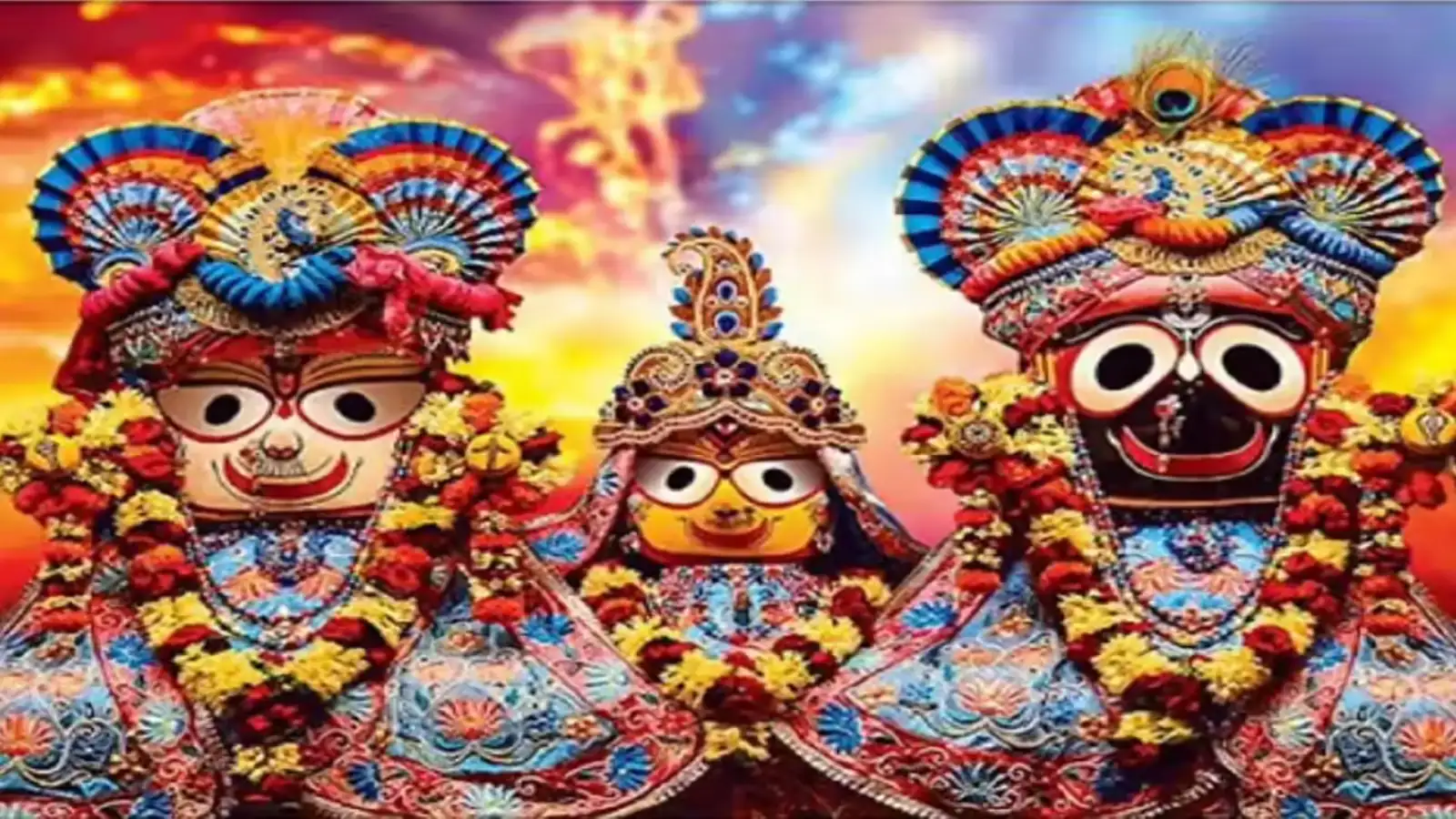
What Is Lord Jagannath's Snana Purnima?
Snana Purnima, also known as Deva Snana Purnima, is one of the most important annual ceremonies associated with Lord Jagannath. On this auspicious occasion, the deities are brought out from the sanctum of the Jagannath Temple and placed on the Snana Mandap, a specially designated bathing platform.
This public appearance gives devotees a rare opportunity to seek the divine blessings of the deities before they disappear from public view ahead of the annual Rath Yatra.
Why Are 108 Pots of Water Used During Snana Purnima?
The most striking feature of the ceremony is the ritual bath performed using 108 sacred kalashas (pots) filled with holy water. This water is drawn exclusively from the temple's revered Suna Kua , or Golden Well , which is opened only once each year for this special occasion.
The number 108 holds immense importance in Hindu philosophy and spirituality. It is widely regarded as a symbol of completeness, divine energy and the connection between the individual soul and the universe. Its sacred significance is reflected in several religious practices, including:
Using 108 pots during Snana Purnima is believed to invoke divine blessings, spiritual cleansing and universal harmony.
How Is the Sacred Water Prepared?
The ritual follows strict religious traditions before the ceremonial bath begins.
The holy water collected from the Golden Well is first sanctified through the chanting of Vedic mantras. It is then infused with aromatic herbs and other sacred ingredients, making it suitable for the ceremonial bathing of the deities.
Only authorised temple servitors are permitted to participate in preparing and conducting this highly revered ritual.
What Happens After the Grand Bathing Ceremony?
According to Jagannath tradition, the elaborate ceremonial bath causes Lord Jagannath, Lord Balabhadra and Goddess Subhadra to develop a symbolic fever.
Following the ritual, the deities are moved to a secluded chamber known as the Anasara Ghar, where they remain away from public view for approximately 15 days.
During this period, priests perform special rituals, offering herbal medicines, simple meals and traditional Ayurvedic care, symbolising the recovery of the deities before their next public appearance.
How Snana Purnima Leads to Rath Yatra
The conclusion of the Anasara period is marked by Nava Jaubana Darshan, when devotees receive the first glimpse of the rejuvenated deities.
Soon afterwards begins the globally celebrated Jagannath Rath Yatra , during which Lord Jagannath, Lord Balabhadra and Goddess Subhadra leave the temple in magnificent chariots and travel to the Gundicha Temple, accompanied by millions of devotees.
Spiritual Significance of Snana Purnima
Snana Purnima is far more than a ceremonial bathing festival. It symbolises purification, renewal and complete surrender to the divine. The use of 108 sacred pots reflects the quest for spiritual perfection and inner harmony, while the period of symbolic illness and recovery presents the deities in a compassionate, human-like form that strengthens the emotional bond between them and their devotees.
For millions of followers, witnessing Snana Purnima is considered a sacred blessing and marks the beginning of the spiritual journey that culminates in the grand celebration of Lord Jagannath's Rath Yatra.
What Is Lord Jagannath's Snana Purnima?
Snana Purnima, also known as Deva Snana Purnima, is one of the most important annual ceremonies associated with Lord Jagannath. On this auspicious occasion, the deities are brought out from the sanctum of the Jagannath Temple and placed on the Snana Mandap, a specially designated bathing platform.
This public appearance gives devotees a rare opportunity to seek the divine blessings of the deities before they disappear from public view ahead of the annual Rath Yatra.
Why Are 108 Pots of Water Used During Snana Purnima?
The most striking feature of the ceremony is the ritual bath performed using 108 sacred kalashas (pots) filled with holy water. This water is drawn exclusively from the temple's revered Suna Kua , or Golden Well , which is opened only once each year for this special occasion.
The number 108 holds immense importance in Hindu philosophy and spirituality. It is widely regarded as a symbol of completeness, divine energy and the connection between the individual soul and the universe. Its sacred significance is reflected in several religious practices, including:
- Japa malas containing 108 prayer beads
- The 108 names of various Hindu deities
- Chanting mantras 108 times during worship
- Spiritual rituals associated with purification and devotion
Using 108 pots during Snana Purnima is believed to invoke divine blessings, spiritual cleansing and universal harmony.
How Is the Sacred Water Prepared?
The ritual follows strict religious traditions before the ceremonial bath begins.
The holy water collected from the Golden Well is first sanctified through the chanting of Vedic mantras. It is then infused with aromatic herbs and other sacred ingredients, making it suitable for the ceremonial bathing of the deities.
Only authorised temple servitors are permitted to participate in preparing and conducting this highly revered ritual.
You may also like
- Amarnath Yatra 2026: Dates, Registration, Route and Complete Travel Guide
- Jagannath Puri Rath Yatra 2026: When is Jagannath Rath Yatra? Check correct date and significance
- June's Full Moon 2026 tonight: What to do to enhance your good luck on Jyeshtha Purnima?
- Snana Purnima on June 29, 2026: Date, time, puja rituals and significance
- Vat Purnima 2026: Date, time, puja rituals and significance
What Happens After the Grand Bathing Ceremony?
According to Jagannath tradition, the elaborate ceremonial bath causes Lord Jagannath, Lord Balabhadra and Goddess Subhadra to develop a symbolic fever.
Following the ritual, the deities are moved to a secluded chamber known as the Anasara Ghar, where they remain away from public view for approximately 15 days.
During this period, priests perform special rituals, offering herbal medicines, simple meals and traditional Ayurvedic care, symbolising the recovery of the deities before their next public appearance.
How Snana Purnima Leads to Rath Yatra
The conclusion of the Anasara period is marked by Nava Jaubana Darshan, when devotees receive the first glimpse of the rejuvenated deities.
Soon afterwards begins the globally celebrated Jagannath Rath Yatra , during which Lord Jagannath, Lord Balabhadra and Goddess Subhadra leave the temple in magnificent chariots and travel to the Gundicha Temple, accompanied by millions of devotees.
Spiritual Significance of Snana Purnima
Snana Purnima is far more than a ceremonial bathing festival. It symbolises purification, renewal and complete surrender to the divine. The use of 108 sacred pots reflects the quest for spiritual perfection and inner harmony, while the period of symbolic illness and recovery presents the deities in a compassionate, human-like form that strengthens the emotional bond between them and their devotees.
For millions of followers, witnessing Snana Purnima is considered a sacred blessing and marks the beginning of the spiritual journey that culminates in the grand celebration of Lord Jagannath's Rath Yatra.






More from our partners


Loving Newspoint? Download the app now
