
What Is the World’s Most Dangerous Cheese and Why Is It So Controversial?

The world’s most dangerous cheese Casu Marzu is one of the most controversial and unusual foods on the planet. While cheese is typically linked with comfort and indulgence, this Sardinian speciality has gained global attention for its shocking production method and extreme nature. Banned in several countries yet still cherished in parts of Italy, it continues to fascinate food lovers and cultural explorers alike.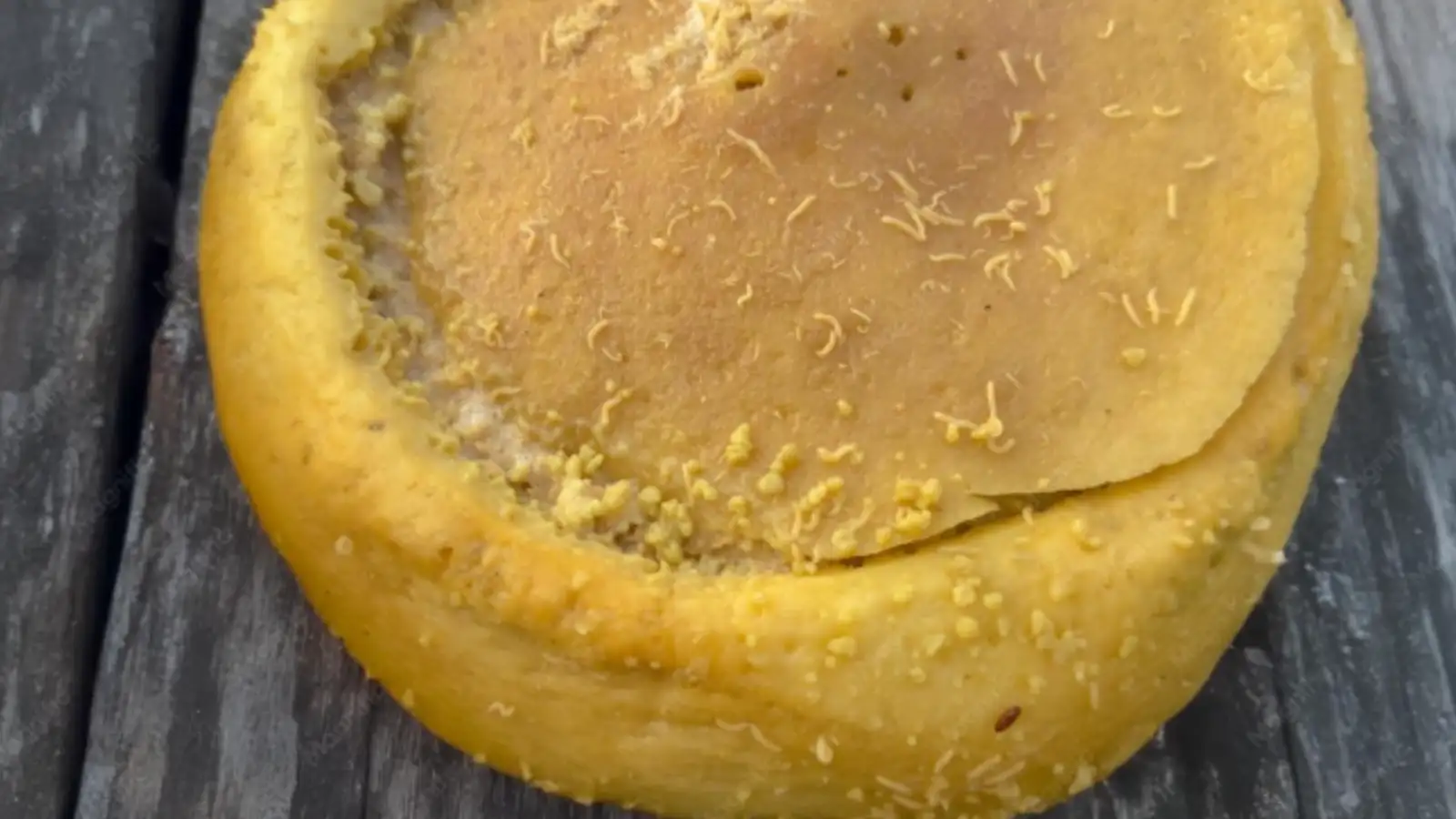
What Makes Casu Marzu the World’s Most Dangerous Cheese?
Casu Marzu is a traditional sheep’s milk cheese from the Italian island of Sardinia. Its reputation as the world’s most dangerous cheese comes from the fact that it is deliberately infested with live insect larvae during its fermentation process.
The cheese starts as a base of hardened pecorino and is then exposed to the cheese fly, where nature takes over in a way that is both fascinating and unsettling.
How the Cheese Is Made Using Live Insects
The production of Casu Marzu begins with aged Pecorino cheese. Cheesemakers cut open the rind and leave it exposed so that the cheese fly can lay eggs inside.
These eggs hatch into larvae of the insect Piophila casei, which then feed on the cheese for several weeks. This digestion process breaks down the fats, creating an extremely soft texture and a strong, pungent aroma.
Why It Contains Live Maggots at Serving Time
One of the most shocking features of Casu Marzu is that it is often served with live larvae still inside. These tiny insects can even move or jump when disturbed.
This unusual characteristic is one of the main reasons the cheese has gained its “dangerous” reputation, along with concerns about hygiene and food safety if not handled properly.
Taste, Texture and Local Experience
Despite its reputation, many locals describe Casu Marzu as an intense but memorable delicacy.
The taste is extremely strong and tends to linger long after eating, making it an acquired experience rather than an everyday snack.
Health Concerns and Legal Restrictions
The main concern surrounding Casu Marzu is food safety. Since it contains live larvae, there is a risk of digestive issues if the cheese is not processed or consumed correctly.
Because of these concerns, food authorities in the European Union and Italy have restricted its commercial sale. However, traditional producers argue that when prepared correctly, it has been safely consumed for generations.
As a result, it is rarely found in formal markets and is mostly made in small, informal settings.
Cultural Importance in Sardinia
In Sardinia, Casu Marzu is more than just food - it is part of cultural identity and heritage. It is often prepared for special occasions and shared during gatherings.
Locals commonly enjoy it with:
Some people prefer to remove the larvae before eating, while others consume it in its traditional form.
The world’s most dangerous cheese Casu Marzu remains one of the most extreme examples of traditional food culture still surviving today. Loved by some and feared by others, it represents the clash between ancient culinary practices and modern food safety standards.
Would you dare to try it - or is this one delicacy best left untouched?
What Makes Casu Marzu the World’s Most Dangerous Cheese?
Casu Marzu is a traditional sheep’s milk cheese from the Italian island of Sardinia. Its reputation as the world’s most dangerous cheese comes from the fact that it is deliberately infested with live insect larvae during its fermentation process.
The cheese starts as a base of hardened pecorino and is then exposed to the cheese fly, where nature takes over in a way that is both fascinating and unsettling.
How the Cheese Is Made Using Live Insects
The production of Casu Marzu begins with aged Pecorino cheese. Cheesemakers cut open the rind and leave it exposed so that the cheese fly can lay eggs inside.
These eggs hatch into larvae of the insect Piophila casei, which then feed on the cheese for several weeks. This digestion process breaks down the fats, creating an extremely soft texture and a strong, pungent aroma.
Why It Contains Live Maggots at Serving Time
One of the most shocking features of Casu Marzu is that it is often served with live larvae still inside. These tiny insects can even move or jump when disturbed.
This unusual characteristic is one of the main reasons the cheese has gained its “dangerous” reputation, along with concerns about hygiene and food safety if not handled properly.
Taste, Texture and Local Experience
Despite its reputation, many locals describe Casu Marzu as an intense but memorable delicacy.
- Flavour: Sharp, spicy and deeply tangy
- Texture: Soft, creamy, almost spreadable
- Special feature: A liquid centre known locally as lagrima (meaning “tears”)
The taste is extremely strong and tends to linger long after eating, making it an acquired experience rather than an everyday snack.
You may also like
- Between O Sanam and Ek Pal Ka Jeena, Lucky Ali gave Pune its most emotional moment
- A Golden Opportunity for Women: The Delhi Government to Provide Collateral-Free Loans of Up to ₹10 Crore..
- Sukanya Samriddhi Yojana: Can You Withdraw Money Before Maturity? Find Out What the Rules Say..
- Delhi Zoo: Now Take a Tour of the Jungle with Just a Tap at Delhi Zoo—This Mobile App Will Make Your Visit Easier..
- Want a lower berth on the train? This simple method from IRCTC will boost your chances—definitely give it a try..
Health Concerns and Legal Restrictions
The main concern surrounding Casu Marzu is food safety. Since it contains live larvae, there is a risk of digestive issues if the cheese is not processed or consumed correctly.
Because of these concerns, food authorities in the European Union and Italy have restricted its commercial sale. However, traditional producers argue that when prepared correctly, it has been safely consumed for generations.
As a result, it is rarely found in formal markets and is mostly made in small, informal settings.
Cultural Importance in Sardinia
In Sardinia, Casu Marzu is more than just food - it is part of cultural identity and heritage. It is often prepared for special occasions and shared during gatherings.
Locals commonly enjoy it with:
- Pane carasau (traditional flatbread) Pane carasau
- Strong red wine
- Family and festive meals
Some people prefer to remove the larvae before eating, while others consume it in its traditional form.
The world’s most dangerous cheese Casu Marzu remains one of the most extreme examples of traditional food culture still surviving today. Loved by some and feared by others, it represents the clash between ancient culinary practices and modern food safety standards.
Would you dare to try it - or is this one delicacy best left untouched?






More from our partners


Loving Newspoint? Download the app now
