
Navratri 2026 Ghatasthapana: Know Date, Auspicious Muhurat and Puja Vidhi

Navratri 2026 Ghatasthapana will be observed on Sunday, October 11, marking the beginning of Shardiya Navratri and nine days of worship dedicated to Goddess Durga. Also called Kalash Sthapana, this important ritual is performed on Ashwin Shukla Pratipada and symbolises the invocation of Goddess Shakti. Devotees prepare a sacred Kalash, sow barley seeds and begin their Navratri prayers during the auspicious period.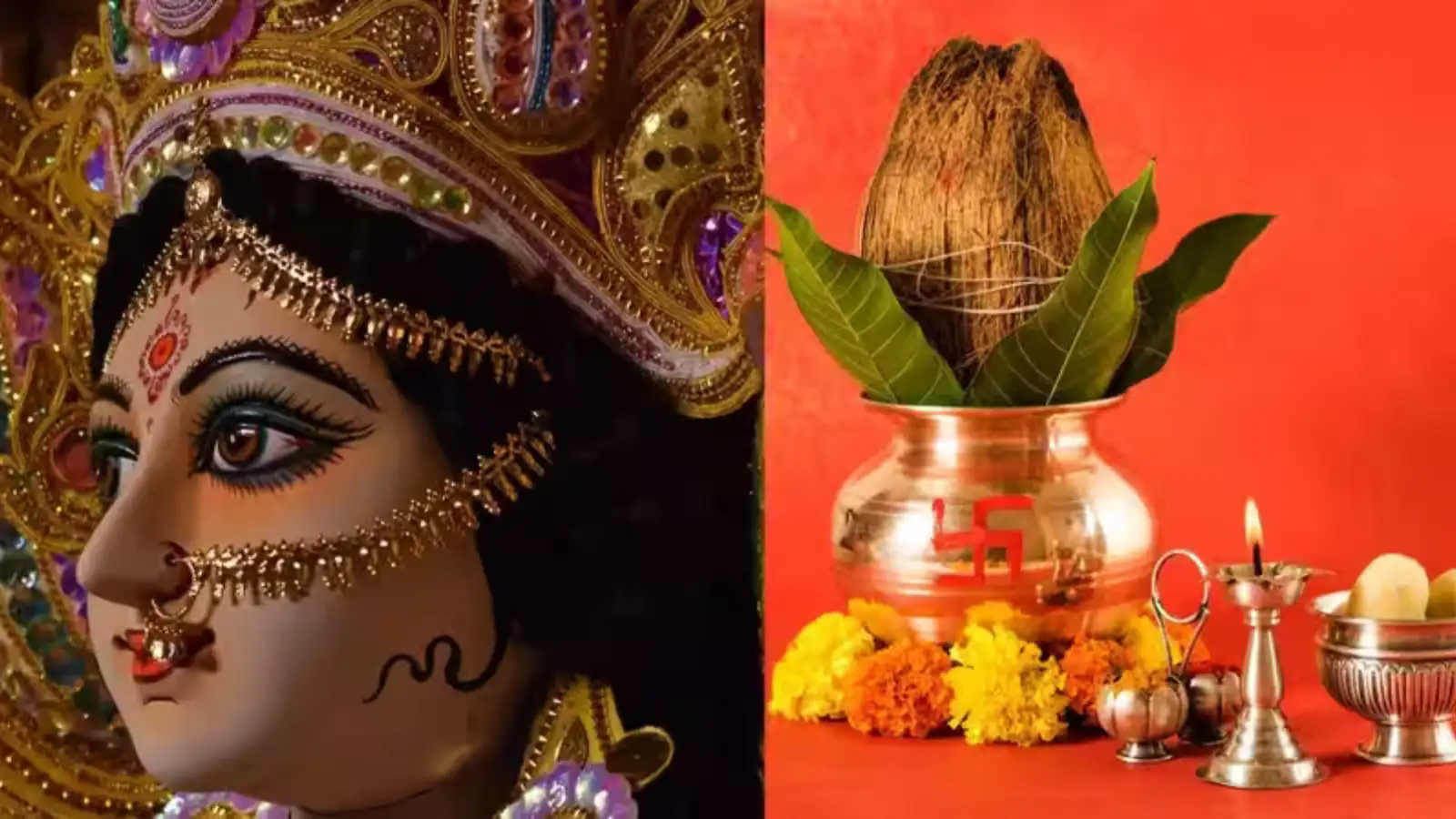
Also Read: Navratri Colours 2026: Complete Day-Wise List From October 11 to 19
For Mumbai, the Ghatasthapana muhurat is:
Devotees should ideally follow the muhurat applicable to their location.
Barley seeds, commonly known as jau, are also sown in an earthen vessel. The seeds are allowed to sprout during Navratri, and their growth is traditionally associated with prosperity, abundance and positive energy.
Since Ghatasthapana is linked to the Pratipada Tithi, devotees traditionally avoid performing the ritual outside the prescribed auspicious period.
Also Read: Navratri 2026: 9 Days, 9 Forms Of Goddess Durga And The Powerful Meaning Behind Each One
Place an idol or image of Goddess Durga on a decorated chowki covered with a clean red or yellow cloth.
This barley bed becomes an important part of the Ghatasthapana setup and is cared for throughout Navratri.
Items commonly used in the Kalash setup include:
Wrap a coconut in a red cloth and place it on top of the Kalash. The decorated Kalash is then positioned over or close to the prepared barley bed.
An important feature of this year's calendar is that Ashtami and Navami will fall on the same day, October 19.
During Navratri, devotees traditionally worship the following nine forms of Goddess Durga:
Navratri 2026 Ghatasthapana Date
Shardiya Navratri will begin on Sunday, October 11, 2026. Ghatasthapana is performed on the first day of Navratri during the prescribed Pratipada period.- Ghatasthapana Date: October 11, 2026
- Day: Sunday
- Tithi: Ashwin Shukla Pratipada
- Pratipada begins: October 10 at around 9:19 PM
- Pratipada ends: October 11 at around 9:30 PM
Also Read: Navratri Colours 2026: Complete Day-Wise List From October 11 to 19
Ghatasthapana Muhurat 2026
The timing of Ghatasthapana is considered especially important, as the Kalash installation is traditionally performed during an auspicious period on Pratipada.For Mumbai, the Ghatasthapana muhurat is:
- Ghatasthapana Muhurat: 6:31 AM to 10:27 AM
- Abhijit Muhurat: 12:02 PM to 12:49 PM
Devotees should ideally follow the muhurat applicable to their location.
Why Is Ghatasthapana Important During Navratri?
Ghatasthapana marks the formal beginning of Shardiya Navratri. During the ritual, a sacred Kalash is established as a symbol of divine energy and Goddess Shakti.Barley seeds, commonly known as jau, are also sown in an earthen vessel. The seeds are allowed to sprout during Navratri, and their growth is traditionally associated with prosperity, abundance and positive energy.
Since Ghatasthapana is linked to the Pratipada Tithi, devotees traditionally avoid performing the ritual outside the prescribed auspicious period.
Also Read: Navratri 2026: 9 Days, 9 Forms Of Goddess Durga And The Powerful Meaning Behind Each One
Ghatasthapana Puja Vidhi: Step-by-Step Guide
The exact customs can vary between families and regions, but the basic Ghatasthapana procedure generally follows these steps.1. Clean the Puja Area
Start by thoroughly cleaning the area where the Navratri puja will be performed. After taking a bath, devotees prepare a clean and peaceful space for worship.Place an idol or image of Goddess Durga on a decorated chowki covered with a clean red or yellow cloth.
2. Sow Barley Seeds
Take a clean earthen vessel and fill it with soil. Sow barley seeds evenly in the soil and sprinkle water over them.This barley bed becomes an important part of the Ghatasthapana setup and is cared for throughout Navratri.
3. Prepare the Sacred Kalash
Take a clean copper, brass or earthen Kalash and fill it with water. Some families also add Gangajal as part of their traditional practice.Items commonly used in the Kalash setup include:
- Akshat or uncooked rice
- A coin
- Betel nut
- Kumkum
- Mauli or sacred thread
4. Add Leaves and Coconut
Place five fresh mango leaves around the opening of the Kalash. Depending on local customs, other traditionally used leaves may also be used.Wrap a coconut in a red cloth and place it on top of the Kalash. The decorated Kalash is then positioned over or close to the prepared barley bed.
5. Take the Sankalpa
After setting up the Kalash, devotees take a Sankalpa, expressing their intention to observe Navratri and worship Goddess Durga with devotion.6. Light the Diya and Incense
Light a ghee diya and incense sticks before beginning the main prayers. Flowers, fruits, sweets and other traditional offerings can be presented to Goddess Durga.You may also like
- How Tithi, Nakshatra, and Udaya Vyapi Dictate Hindu Fasting and Festival Rules
- Wearing a Karungali Mala, Avoid These Common Mistakes to Protect Its Sacred Spiritual Power
- Indira Ekadashi Vrat, Exact Parana Muhurat, Rahukaal, and Ekadashi Shraddha Timings
- Why King Dasharatha Performed the Sacred Putrakameshti Yajna on the Banks of the Saryu River
- Auspicious Date, Exact Nishita Kaal Puja Muhurat, and Four Prahar Timings for Lord Shiva Jalabhishek
7. Worship Goddess Durga
Perform the Navratri puja according to your family's traditions. Devotees may chant Durga mantras and recite sacred texts such as the Durga Saptashati, depending on their customary practices.8. Perform Durga Aarti
Complete the puja with Goddess Durga Aarti and pray for her blessings. The Kalash and barley are generally kept in the puja area throughout Navratri as per household tradition.Navratri 2026: What Happens After Ghatasthapana?
Shardiya Navratri 2026 will be observed from October 11 to October 19, followed by Vijayadashami or Dussehra on October 20.An important feature of this year's calendar is that Ashtami and Navami will fall on the same day, October 19.
During Navratri, devotees traditionally worship the following nine forms of Goddess Durga:
- Maa Shailputri
- Maa Brahmacharini
- Maa Chandraghanta
- Maa Kushmanda
- Maa Skandamata
- Maa Katyayani
- Maa Kalaratri
- Maa Mahagauri
- Maa Siddhidatri






Loving Newspoint? Download the app now
