
A New Era for Middle East Energy: US Approves Landmark 30-Year Civilian Nuclear Deal with Saudi Arabia

In a significant geopolitical move, United States President Donald Trump has formally approved a historic civilian nuclear cooperation agreement with Saudi Arabia. The landmark deal, which is structured to span 30 years and is valued at tens of billions of dollars, marks a major milestone in diplomatic and energy relations between Washington and Riyadh.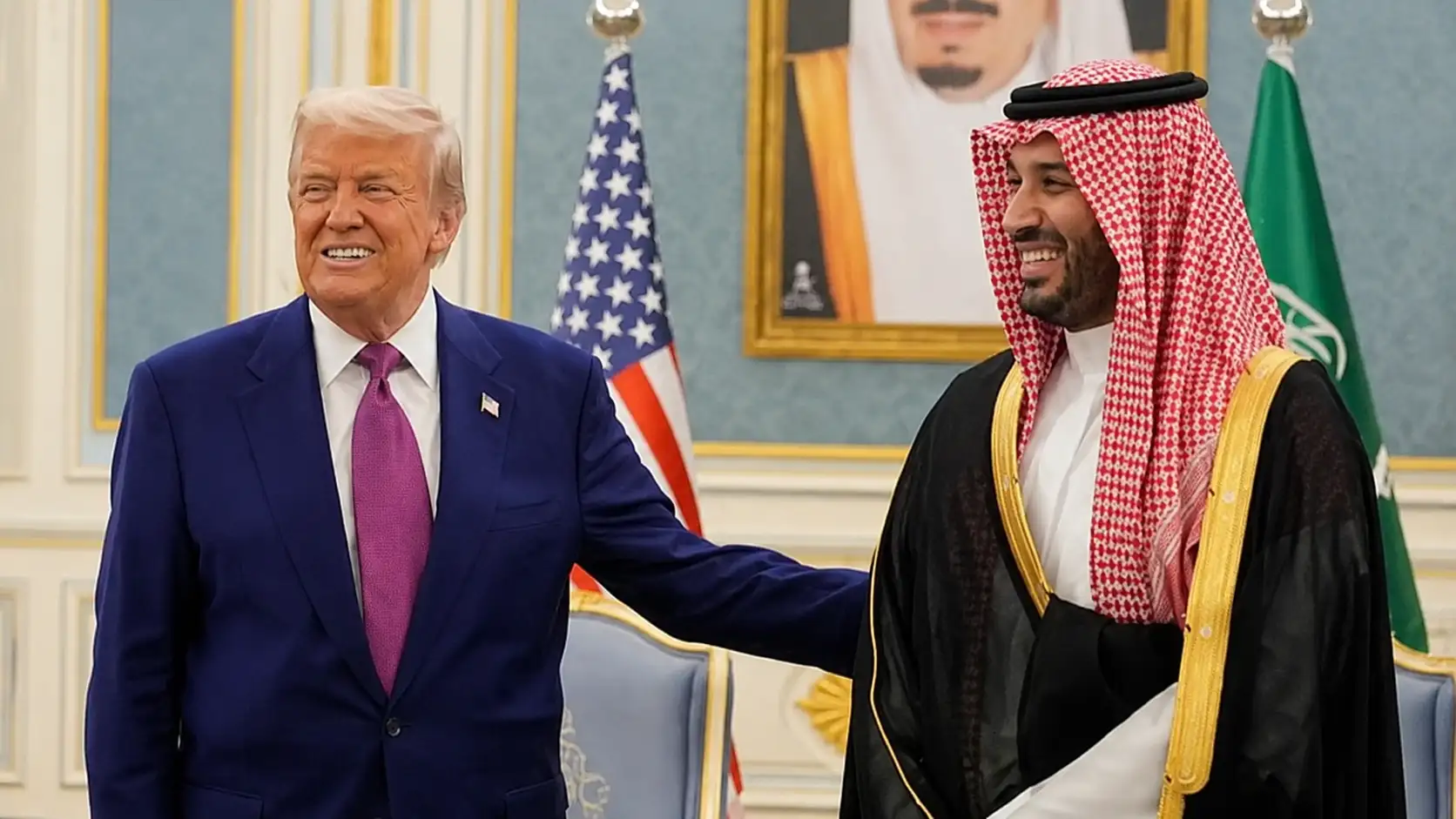
The agreement is designed to give American commercial firms a central role in constructing and overseeing Saudi Arabia's emerging civilian nuclear energy network. By securing a primary partnership with the kingdom, the United States aims to establish a strong industrial foothold in the Middle East while preventing international rivals, such as China and Russia, from supplying the technology instead.
Domestic uranium enrichment has long been a key ambition for Riyadh. Saudi leadership has repeatedly stated that developing nuclear capacity is essential for diversifying its national energy portfolio away from reliance on crude oil, meeting rising electricity demands, and powering large-scale industrial projects like water desalination.
To ensure the technology is used strictly for peaceful purposes, the arrangement establishes a bilateral oversight mechanism between Washington and Riyadh. Officials argue that this direct monitoring role will allow the US to track activities closely and safeguard against weapons development.
In contrast, the new agreement with Saudi Arabia allows for local enrichment while relying on a bilateral security arrangement rather than requiring the International Atomic Energy Agency’s (IAEA) "Additional Protocol". The Additional Protocol provides international inspectors with broader access to unannounced site inspections to ensure nuclear material is not diverted.
Before the 30-year deal can take full effect, it must be submitted to the United States Congress for review. Lawmakers on Capitol Hill are expected to examine the draft thoroughly. While supporters emphasize the immense economic benefits for US energy contractors and the strategic value of keeping Saudi Arabia aligned with Western partners, critics among non-proliferation experts and legislators may raise questions about expanding nuclear capabilities in a volatile region.
Despite these upcoming debates, the agreement stands as one of the most consequential energy and strategic pacts between the United States and Saudi Arabia in recent decades, setting the stage for a new chapter in global nuclear cooperation.
The agreement is designed to give American commercial firms a central role in constructing and overseeing Saudi Arabia's emerging civilian nuclear energy network. By securing a primary partnership with the kingdom, the United States aims to establish a strong industrial foothold in the Middle East while preventing international rivals, such as China and Russia, from supplying the technology instead.
Key Details of the Accord
Under the proposed framework, American companies will collaborate directly with Saudi authorities to build out atomic power reactors. Most notably, the agreement opens the door for the construction of a domestic uranium enrichment plant inside Saudi Arabia, provided a joint review by both nations determines the facility is justified.Domestic uranium enrichment has long been a key ambition for Riyadh. Saudi leadership has repeatedly stated that developing nuclear capacity is essential for diversifying its national energy portfolio away from reliance on crude oil, meeting rising electricity demands, and powering large-scale industrial projects like water desalination.
To ensure the technology is used strictly for peaceful purposes, the arrangement establishes a bilateral oversight mechanism between Washington and Riyadh. Officials argue that this direct monitoring role will allow the US to track activities closely and safeguard against weapons development.
You may also like
- In 1828, a priest planted a South American tree for shade in Honolulu, and its descendants now cover more than 150,000 acres across Hawaii
- Tankers carrying Saudi crude for India u-turn after Houthis' threat
- A royal warship sunk off Sweden in 1495 has preserved its spice cabinet and weapons, including saffron, cloves, crossbows and early artillery
- A US firm hauled up hundreds of thousands of gold and silver coins from a sunken Spanish frigate, then Spain fought through the courts and won back the estimated $500-million haul
- Bangladesh's measles crisis deepens as vaccination gaps drive surge in cases
A Shift in Non-Proliferation Standards
The accord represents a noticeable departure from past American nuclear agreements in the region. Previously, Washington maintained a strict "gold standard" for civil nuclear cooperation, which required partner nations to permanently give up domestic enrichment and plutonium reprocessing capabilities. For example, when the neighbouring United Arab Emirates signed its nuclear cooperation agreement with the US in 2009, it agreed not to enrich uranium on its own soil.In contrast, the new agreement with Saudi Arabia allows for local enrichment while relying on a bilateral security arrangement rather than requiring the International Atomic Energy Agency’s (IAEA) "Additional Protocol". The Additional Protocol provides international inspectors with broader access to unannounced site inspections to ensure nuclear material is not diverted.
Strategic Context and Congressional Scrutiny
The timing of the decision coincides with broader regional shifts and ongoing security concerns across the Middle East. For years, negotiations over a Saudi nuclear program were tied to wider diplomatic discussions regarding regional normalization. However, recent efforts focused on establishing a direct energy partnership to secure long-term geopolitical alignment between Washington and the Gulf kingdom.Before the 30-year deal can take full effect, it must be submitted to the United States Congress for review. Lawmakers on Capitol Hill are expected to examine the draft thoroughly. While supporters emphasize the immense economic benefits for US energy contractors and the strategic value of keeping Saudi Arabia aligned with Western partners, critics among non-proliferation experts and legislators may raise questions about expanding nuclear capabilities in a volatile region.
Despite these upcoming debates, the agreement stands as one of the most consequential energy and strategic pacts between the United States and Saudi Arabia in recent decades, setting the stage for a new chapter in global nuclear cooperation.






Loving Newspoint? Download the app now
